 listicle
7 Best Air Purifiers for Wildfire Smoke
Table of Contents
- How Air Purifiers Work Against Wildfire Smoke
- Quick Comparison Table: Top Air Purifiers for Wildfire Smoke
- 1. Coway Airmega 400S: Best Overall for Smoke
- 2. Winix 5530: Best for Quiet, Reliable Filtration
- 3. Blueair Blue Signature Large: Premium Performance
- 4. Levoit Vital 200S: Best Budget-Friendly Option
- 5. AirFanta 3Pro: Quiet PC Fan Design
- Understanding Air Purifier CADR for Smoke
- Frequently Asked Questions
Last Updated: October 4, 2026
How Air Purifiers Work Against Wildfire Smoke
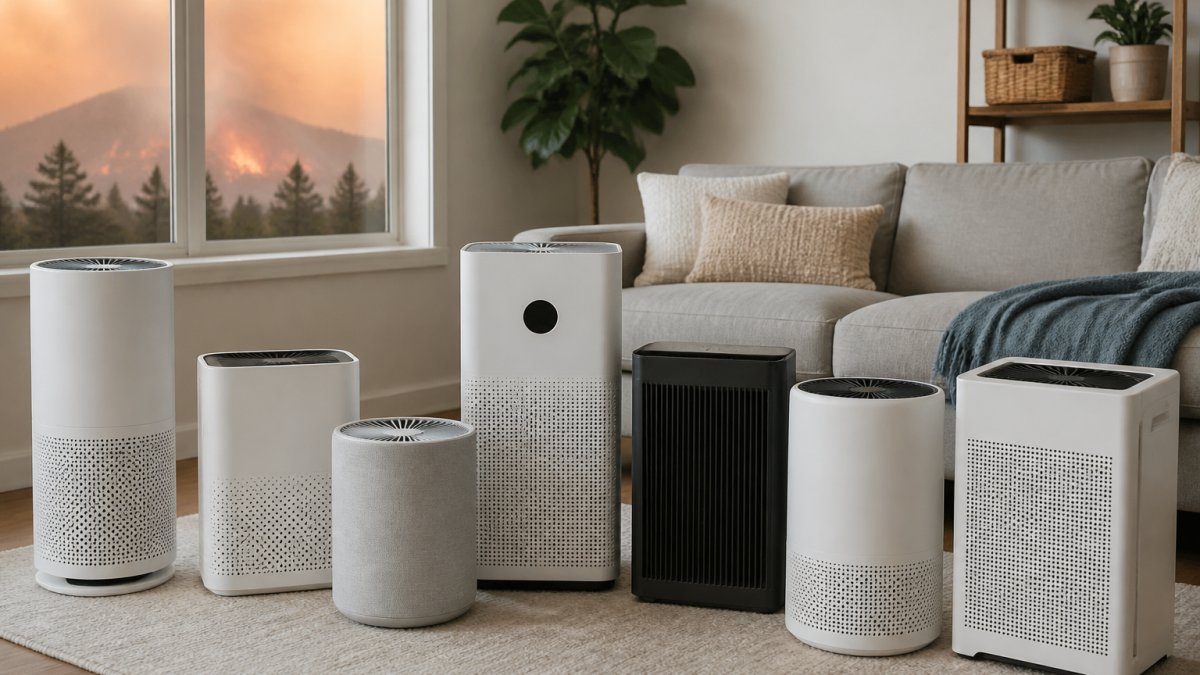
When wildfire smoke drifts into your home, understanding the 7 best air purifiers for wildfire smoke starts with knowing that particles are impossibly small. Most are fine particulates smaller than 2.5 microns, so small they bypass your lungs' natural defenses and enter your bloodstream.
The best air purifiers for wildfire smoke use a two-stage filtration approach. HEPA filters capture fine particles with remarkable efficiency, while activated carbon layers absorb the gases and odors that particle filters alone cannot touch. This combination is what separates effective smoke removal from ineffective air circulation.
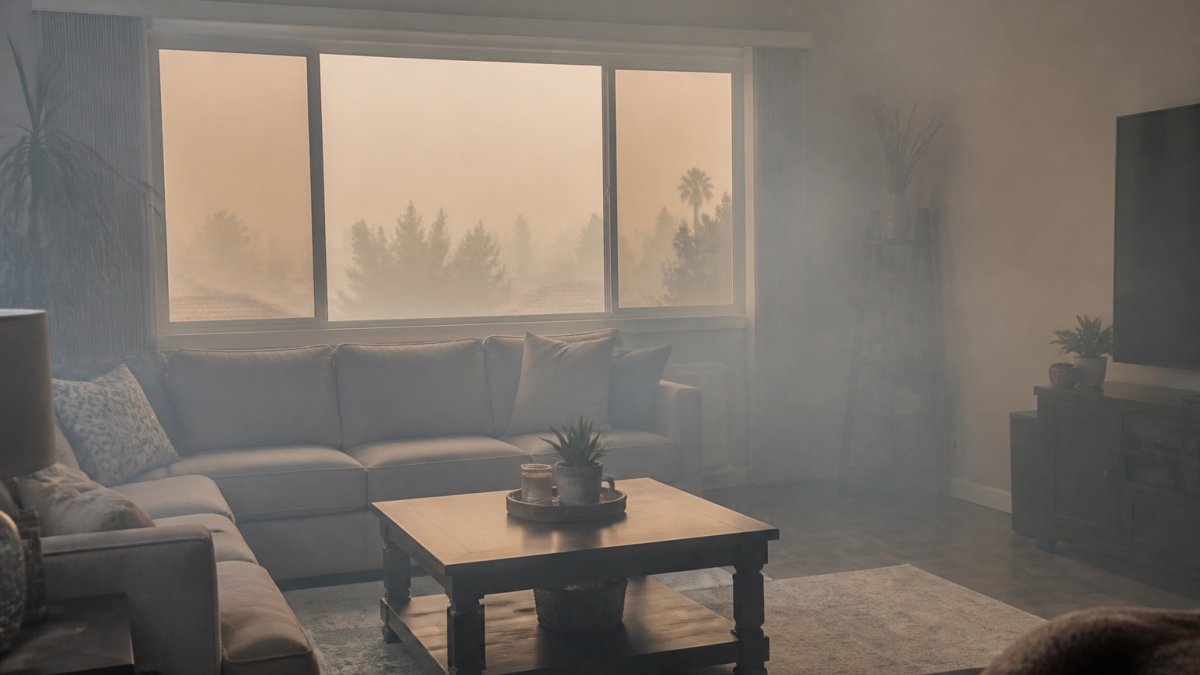
HEPA filtration works by forcing air through an extremely dense mat of fibers. The particles get trapped through three mechanisms: they collide with fibers and stick, they're intercepted as they travel close to a fiber, or they're diffused into fibers through random motion. The result: HEPA filters capture 99.97% of particles 0.3 microns or larger.
Activated carbon addresses the second problem: smoke smell and volatile organic compounds. When smoke burns through wood and vegetation, it releases gases that particle filters pass right through. Carbon absorbs these gases, eliminating the acrid smell that lingers even after visible haze clears.
The Clean Air Delivery Rate (CADR) tells you how fast a purifier removes smoke particles from a room. A CADR of 100 for smoke means the unit cleans 100 cubic feet of air per minute of smoke particles.
Quick Comparison Table: Top Air Purifiers for Wildfire Smoke
| Model | Best For | Key Strength | Filter Type |
|---|---|---|---|
| Coway Airmega 400S | Overall smoke removal | CNET-tested for wildfire smoke | HEPA + activated carbon |
| Winix 5530 | Quiet operation | Strong filtration with minimal noise | HEPA + carbon |
| Blueair Blue Signature Large | Premium performance | High CADR for large spaces | HEPA + activated carbon |
| Levoit Vital 200S | Budget-conscious buyers | Affordable entry point | HEPA filter |
| AirFanta 3Pro | Quiet PC fan design | Unique fan mechanism | Particle + carbon filter |
1. Coway Airmega 400S: Best Overall for Smoke
The Coway Airmega 400S earned recognition from CNET as a top choice specifically for wildfire smoke filtration. This isn't a generic air purifier that happens to work okay during smoke season, it's been tested and selected for this exact scenario.
What makes it stand out: the combination of a true HEPA filter and a substantial activated carbon layer. During wildfire season, you need both. The HEPA captures the fine particles; the carbon eliminates the lingering smell that makes your home feel like a smoking lounge. The unit covers up to 1,560 square feet, which handles most living rooms and master bedrooms without struggling.
The Airmega 400S runs quietly enough for bedroom use, even on higher fan speeds. This matters because during heavy smoke events, you'll want to run it on high continuously. A loud purifier becomes a nuisance you turn down, defeating the purpose.
Filter replacement happens roughly every 6-12 months depending on smoke exposure and fan speed. Coway's filters are reasonably priced and widely available. The unit itself is built to last, with a straightforward design that doesn't require technical troubleshooting.
2. Winix 5530: Best for Quiet, Reliable Filtration
RTINGS, a testing organization known for rigorous air purifier evaluation, identifies the Winix 5530 as its best-tested option for most people. The emphasis here is on reliability and quiet operation, two things that matter more than you might think when you're running an air purifier 12+ hours daily during smoke season.
The Winix 5530 combines a true HEPA filter with activated carbon, covering spaces up to 360 square feet effectively. For bedrooms and home offices, this is plenty. The unit uses a three-stage filtration system that handles both particles and odors. The fan is genuinely quiet, even on medium settings, which means you're more likely to actually run it when you need it.
One practical advantage: the Winix 5530 includes a PlasmaWave technology that ionizes particles. While ionization alone isn't a replacement for HEPA filtration, it works alongside the filters to catch additional particles. This adds a layer of redundancy, useful during the worst smoke days when you want every advantage.
Maintenance is straightforward. Filters last 6-12 months depending on usage. The unit has a simple display that shows filter life remaining, so you're not guessing when replacement time arrives.
3. Blueair Blue Signature Large: Premium Performance
For homes with larger open layouts or high ceilings, the Blueair Blue Signature Large is RTINGS' recommendation for strongest overall performance. This is the unit you choose when you're willing to invest more because standard purifiers aren't cutting it.
The Blue Signature Large handles up to 2,000 square feet and delivers a CADR that matches that coverage. During heavy smoke events, this unit cycles large rooms' air multiple times per hour. The HEPA and activated carbon combination is strong, and the build quality reflects the premium price point.
What distinguishes this model: it's genuinely designed for large spaces, not a mid-size unit marketed as suitable for bigger rooms. The airflow is powerful without being loud. It includes a smart sensor that adjusts fan speed based on detected particle levels, useful if you want the purifier to work harder automatically when smoke rolls in.
Filter replacement is more expensive than budget models, but the filters last longer due to the unit's efficiency. Over a five-year period, total cost of ownership is competitive with smaller units you'd need to replace more frequently.
4. Levoit Vital 200S: Best Budget-Friendly Option
If you're looking for a purifier that handles smoke without a premium price, the Levoit Vital 200S delivers solid filtration for smaller to mid-size rooms. It's included in HouseFresh's roundup of top-performing wildfire-smoke options, which means it's been tested against the smoke-specific criteria that matter.
The Vital 200S covers up to 400 square feet and uses a three-stage filtration system: pre-filter, HEPA, and activated carbon. For bedrooms and home offices, this is adequate. The unit is compact, which helps if space is limited. It's also quieter than many budget alternatives, so you're not sacrificing peace for price.
Call (702) 707-4242 for a free estimate →
Where it differs from premium models: the CADR is lower, meaning air turnover in larger rooms takes longer. If you have a 400-square-foot room, it will cycle the air about three times per hour on high, adequate but not exceptional. During peak smoke events, you might want to supplement with a second unit in a main living area.
The Levoit is straightforward to maintain. Filters are inexpensive and readily available. The unit has been reliable for users in smoke-prone regions, with minimal mechanical issues reported.
5. AirFanta 3Pro: Quiet PC Fan Design
The AirFanta 3Pro appears in HouseFresh's wildfire-smoke roundup as a unique option with a PC fan-based design. This approach is unconventional but worth considering if noise is your primary concern.
Instead of traditional blower fans, the AirFanta uses a larger, slower-spinning PC fan mechanism. Slower rotation means significantly less noise, some users report it's barely audible on medium settings. If you're sensitive to fan noise or need the purifier running in a shared bedroom, this design advantage is meaningful.
The unit uses particle and activated carbon filtration, addressing both smoke particles and odors. It's best suited for smaller to mid-size rooms. The PC fan approach limits the CADR compared to traditional designs, so it's not the choice for large spaces or peak smoke events requiring maximum airflow.
Maintenance involves regular fan cleaning to prevent dust buildup. Filters are replaceable and reasonably priced. The design is simpler than some alternatives, which can mean fewer mechanical issues long-term.
Understanding Air Purifier CADR for Smoke
Clean Air Delivery Rate (CADR) is the metric that determines whether an air purifier actually works for wildfire smoke. It measures cubic feet per minute (CFM) of clean air the unit delivers while removing smoke particles.
A CADR of 100 for smoke means the purifier removes smoke from 100 cubic feet of air per minute. To choose the right purifier, calculate your room's volume (length × width × height in feet), then divide by the CADR.
For example: a 300-square-foot bedroom with 8-foot ceilings is 2,400 cubic feet. A purifier with a CADR of 100 takes 24 minutes to clean the room once.
The air changes per hour (ACH) standard recommends five complete room air changes per hour during smoke exposure. This is the benchmark used by indoor air quality professionals.
Activated carbon filtration deserves its own attention. While HEPA handles particles, activated carbon absorbs volatile organic compounds and gases released during combustion. Wildfire smoke contains both, which is why the best purifiers include both filter types. A HEPA-only purifier will reduce haze but won't eliminate the smoke smell, and that smell indicates gases your lungs are still processing.
At RTS Comfort Cooling & Heating, we recognize that indoor air quality during smoke season extends beyond portable purifiers. Whole-home HVAC systems with upgraded filters, proper ductwork, and sealed returns make a significant difference. However, portable purifiers are the fastest, most cost-effective solution when smoke arrives suddenly.
Filter replacement is the ongoing cost that catches people off guard. Most smoke-rated purifiers need filter changes every 6-12 months depending on usage and smoke exposure. Budget accordingly, a purifier that saves money upfront but requires expensive filters every few months becomes costly over time.
Wildfire smoke is a seasonal reality in many regions, and your home's air quality directly affects your health and comfort. The 7 best air purifiers for wildfire smoke listed here have been selected and tested specifically for smoke filtration, not just general air cleaning.
Frequently Asked Questions
What type of air purifier is best for wildfire smoke?
HEPA filters combined with activated carbon are most effective for wildfire smoke. HEPA captures fine particulate matter (PM2.5 and smaller), while activated carbon removes smoke odors and volatile organic compounds. Look for purifiers with high CADR ratings for smoke, higher numbers mean faster air cleaning. Models like the Coway Airmega 400S and Winix 5530 combine both filtration types for comprehensive smoke removal.
How does air purifier CADR for smoke differ from standard CADR ratings?
CADR (Clean Air Delivery Rate) measures how quickly a purifier cleans air for specific pollutants: smoke, dust, and pollen. Smoke CADR specifically tests removal of fine smoke particles. A higher smoke CADR means the purifier cleans your room's air more frequently per hour. For wildfire smoke, prioritize purifiers with smoke CADR of at least 200 for medium rooms (250-400 sq ft) and 300+ for larger spaces.
Can I use a DIY box fan air purifier for wildfire smoke?
DIY box fan purifiers using furnace filters or HEPA filters can reduce some particles but are less efficient than commercial purifiers. They work best as supplemental devices in smaller spaces or during temporary smoke events. Box fans lack the sealed housing and optimized airflow of commercial models, so they won't clean air as thoroughly. For consistent protection during wildfire season, a dedicated purifier is more reliable, though a DIY option can help in a pinch.
How often should I replace my air purifier filter during wildfire smoke season?
During active wildfire smoke, check filters every 2-4 weeks instead of the standard 6-12 months. Smoke-filled air clogs filters faster, reducing efficiency. When the filter appears gray or brown (not white), replace it. Running your purifier continuously during smoke events accelerates filter wear. Activated carbon filters may need replacing every 3-6 months during heavy smoke periods. Check your specific model's recommendations and monitor filter condition visually.