 how-to
Does Duct Cleaning Really Help Allergies? What Science Shows
Table of Contents
- What the Research Actually Says About Duct Cleaning and Allergies
- What's Really Inside Your Air Ducts
- Signs You Need Air Duct Cleaning
- How to Improve Indoor Air Quality Beyond Duct Cleaning
- HEPA Filter Effectiveness for Allergies and Other Filtration Options
- Duct Cleaning vs. Air Purification: Which Actually Works for Allergies
- Post-Cleaning Maintenance to Keep Allergens Out
- Conclusion
Last Updated: August 20, 2026
What the Research Actually Says About Duct Cleaning and Allergies
The question of whether duct cleaning actually improves home allergies sits at the intersection of genuine health concerns and aggressive marketing claims. At RTS Comfort Cooling & Heating, we help homeowners understand what the evidence actually shows, and it's more nuanced than either side of the debate suggests.
The short answer: duct cleaning alone rarely produces the dramatic allergy relief that some contractors promise. However, it can be one useful component of a broader indoor air quality strategy, particularly when combined with other measures. The key is understanding what's actually causing your symptoms and which interventions address those specific problems.
What makes this topic confusing is that the research doesn't support a simple yes-or-no answer. Studies examining whether duct cleaning reduces allergy symptoms show mixed results. Some people report meaningful improvement. Others see no change. The difference often comes down to what's actually triggering their allergies and whether their HVAC system is genuinely the culprit.
The Environmental Protection Agency (EPA) takes a cautious stance on duct cleaning, noting that while accumulated debris in ducts can affect system efficiency, the connection between duct cleanliness and health outcomes remains unclear for most households. This doesn't mean dirty ducts are harmless, it means the science on symptom relief is complicated.
What's Really Inside Your Air Ducts
Your air ducts accumulate far more than most people realize. Over months and years, dust, pet dander, dead skin cells, and other particulate matter settle on duct surfaces. In humid climates or homes with moisture problems, mold growth becomes another concern. These conditions create an environment where dust mites thrive and microbial growth accelerates.
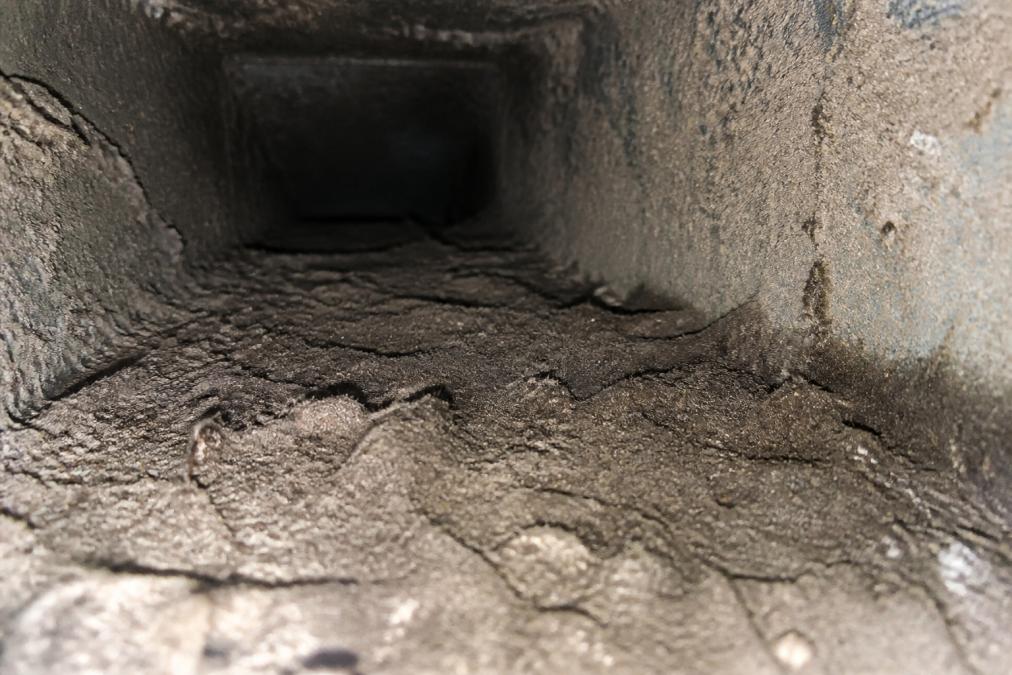
The actual composition of duct debris varies significantly by household. Homes with pets accumulate pet dander at higher rates. Homes in dusty climates or with poor air filter maintenance develop thicker dust layers. Homes with bathroom or kitchen moisture issues without proper ventilation often develop mold growth on duct surfaces. Homes with smokers or candles burning regularly deposit volatile organic compounds and particulate matter throughout the system.
What matters for allergies specifically is whether these contaminants are actually being circulated into living spaces. Here's where the mechanics matter: when your HVAC system runs, it creates pressure changes that can dislodge loose debris from duct surfaces. However, most debris that accumulates in ducts stays there, it doesn't continuously circulate into your home. The air flowing through your ducts passes over the debris rather than picking it up in large quantities.
This is why a clogged air filter at the return vent is often a bigger problem than debris deeper in the ductwork. The filter catches airborne contaminants before they enter the system. Debris sitting on duct walls contributes to poor indoor air quality primarily when the system is first turned on after sitting idle, or when sudden pressure changes dislodge accumulated material.
Signs You Need Air Duct Cleaning
Certain conditions genuinely warrant professional duct cleaning. The key is distinguishing between scenarios where cleaning will actually help and situations where it's unnecessary or won't address the real problem.
You should consider duct cleaning if you notice visible mold growth inside accessible ducts or return vents. Mold in your ventilation system is a legitimate concern that extends beyond allergies, it indicates moisture problems that need addressing. Professional remediation followed by moisture control is appropriate here.
A strong musty odor coming from your vents suggests mold or microbial growth. This smell indicates active biological growth, not just accumulated dust. Professional cleaning combined with identifying and fixing the moisture source makes sense.
Visible pest droppings or evidence of rodent or insect activity in ducts requires professional cleaning and sealing. Pest contamination poses health risks beyond typical allergen concerns.
Visible dust clouds when your system first turns on, particularly after extended periods without use, suggests significant debris accumulation. One or two seasons of heavy dust clouds might justify cleaning, especially in homes with allergies.
Recent renovation or construction work that created substantial dust throughout your home and HVAC system warrants cleaning to remove construction debris before it circulates.
What doesn't necessarily justify cleaning: general dust accumulation without visible mold, normal seasonal allergy symptoms, or standard indoor dust levels. Many homes function fine with routine filter changes and no professional duct cleaning ever.
How to Improve Indoor Air Quality Beyond Duct Cleaning
The most effective approach to reducing allergens in your home addresses multiple sources simultaneously. Duct cleaning alone, without these complementary measures, rarely produces noticeable symptom relief.
Start with air filter quality and replacement frequency. A standard 1-inch fiberglass filter captures large particles but misses many allergens. Upgrading to a pleated filter or HEPA-compatible filter improves particulate capture significantly. Changing filters every 30-60 days (more frequently in homes with pets or allergies) prevents the filter from becoming so clogged that it reduces system efficiency and allows bypass of unconditioned air.
Control humidity levels in your home. Dust mites thrive in humidity above 50 percent. Mold growth accelerates in damp environments. Maintaining indoor humidity between 30-50 percent using a dehumidifier or by improving ventilation reduces conditions that favor allergen growth. This single measure often produces more noticeable allergy improvement than duct cleaning.
Reduce allergen sources at their origin. Pet dander accumulates rapidly in homes with animals. Regular vacuuming with a HEPA-filtered vacuum, washing pet bedding weekly, and keeping pets out of bedrooms reduces circulating pet allergens. Dust mites live in bedding, upholstered furniture, and carpets, washing bedding weekly in hot water and using allergen-proof mattress covers makes a measurable difference.
Improve ventilation in moisture-prone areas. Bathroom exhaust fans and kitchen range hoods should vent outside your home, not into the attic. Poor ventilation in these areas creates moisture that spreads throughout your HVAC system. Proper exhaust ventilation prevents the conditions that allow mold and dust mite populations to flourish.
Seal air leaks around windows, doors, and penetrations. Outdoor allergens like pollen enter through gaps and cracks. Sealing these leaks reduces the amount of outdoor particulate matter your system must handle.
These measures address allergen sources directly. Duct cleaning, if performed, should complement these steps rather than replace them.
HEPA Filter Effectiveness for Allergies and Other Filtration Options
Understanding filtration technology helps explain why duct cleaning alone often disappoints allergy sufferers. The filter at your return vent is where the real work of removing allergens happens.
Standard fiberglass filters capture particles larger than 20 microns. Most common allergens, dust mite feces, pet dander fragments, pollen, are smaller than this. They pass through standard filters and continue circulating.
HEPA filters capture 99.97 percent of particles as small as 0.3 microns. This includes virtually all common allergens. However, HEPA filtration requires compatible HVAC equipment. Your system must have sufficient airflow capacity to handle the additional resistance that HEPA filters create. Retrofitting a standard system with a true HEPA filter can reduce airflow significantly, making your system work harder and potentially reducing efficiency.
Pleated filters represent a middle ground. They capture particles down to 5-10 microns and cost significantly less than HEPA filters. They also work with most standard HVAC systems without requiring modifications. For many homeowners with allergies, upgrading from fiberglass to pleated filters produces noticeable improvement.
Call (702) 707-4242 for a free estimate →
Electrostatic filters use electrical charge to attract particles. They're reusable and washable, reducing ongoing costs. However, they're less efficient than pleated or HEPA filters at capturing small allergens.
Whole-home air purifiers work alongside your HVAC system to remove airborne contaminants. These units circulate air through advanced filtration media, capturing allergens before they settle on surfaces. They're particularly effective for reducing circulating allergens between filter changes.
The practical recommendation: upgrade to pleated filters and replace them regularly. If allergies remain problematic, consider a whole-home air purifier or HEPA filtration if your system can support it. These measures typically produce more noticeable results than duct cleaning alone.
Duct Cleaning vs. Air Purification: Which Actually Works for Allergies
When homeowners struggle with allergies, they often face a choice between duct cleaning and air purification systems. Understanding what each addresses helps clarify which makes sense for your situation.
Duct cleaning removes accumulated debris from your ventilation system. It addresses the source of potential contaminants sitting in your ducts. However, it produces a one-time benefit. Debris begins accumulating again immediately after cleaning. It doesn't continuously remove allergens from circulating air.
Air purification systems continuously filter allergens from the air moving through your HVAC system. Whole-home air purifiers installed in your return duct or as standalone units provide ongoing allergen removal. Portable HEPA air purifiers in individual rooms capture allergens in that space.
For allergy relief, air purification typically produces more noticeable results than duct cleaning. A whole-home air purifier removes allergens every time air cycles through your system. This continuous action reduces circulating allergens more effectively than a one-time cleaning.
The most effective approach combines both: clean your ducts if visible mold or significant debris exists, then install or upgrade filtration to prevent rapid re-accumulation. Add a whole-home air purifier if allergies remain problematic despite improved filtration.
Cost considerations matter here. Duct cleaning typically costs more than upgrading to better filters. A whole-home air purifier costs less than professional duct cleaning but more than filter upgrades. For maximum allergy relief per dollar spent, prioritize filter upgrades and humidity control first, then consider air purification if needed.
Post-Cleaning Maintenance to Keep Allergens Out
If you decide duct cleaning makes sense for your situation, the maintenance that follows determines whether you see lasting benefit. Without proper post-cleaning maintenance, allergens re-accumulate rapidly.
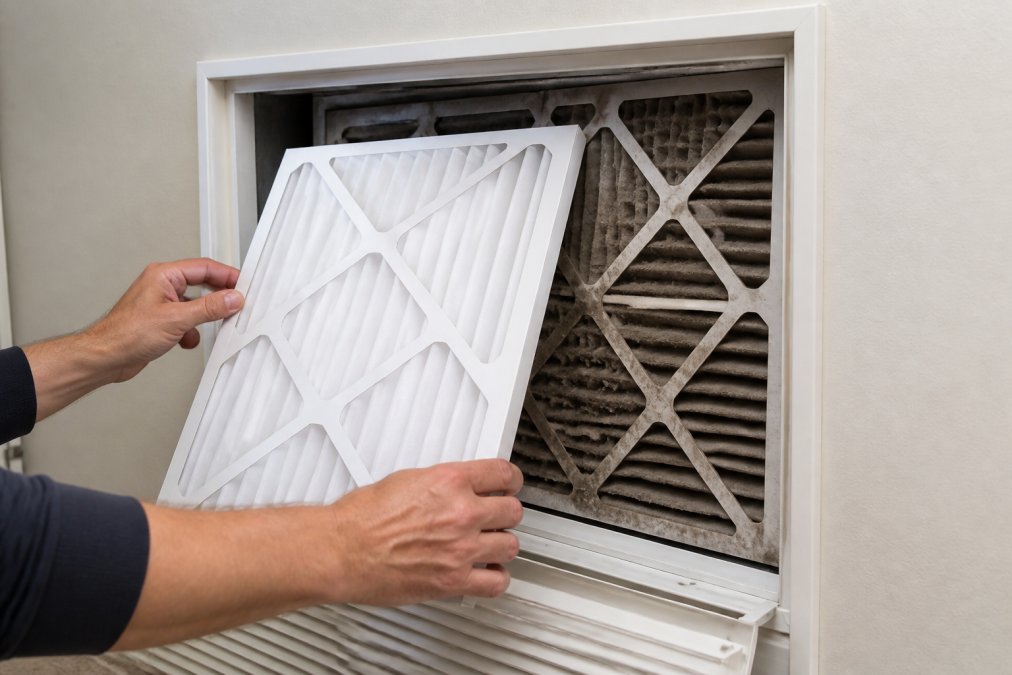
The most critical step is establishing a regular filter replacement schedule. After professional cleaning, your system is as clean as it will be. A clogged filter allows dust to bypass and settle in ducts again. Monthly inspection and replacement every 30-60 days (more frequently in homes with pets or allergies) maintains the benefits of cleaning.
Seal any ductwork leaks or gaps. Professional duct cleaning sometimes reveals connection points or damage that allows unfiltered outside air to enter your system. Sealing these leaks prevents outdoor allergens and dust from bypassing your filtration.
Address moisture sources that promote mold growth and dust mite populations. If humidity in your home consistently exceeds 50 percent, duct cleaning provides only temporary benefit. Moisture control through dehumidification or improved ventilation prevents conditions that allow contamination to return quickly.
Schedule annual HVAC maintenance. Professional inspection identifies developing problems before they affect air quality. Technicians can spot early signs of mold growth, check system sealing, and ensure filters are installed correctly.
Monitor your system's performance. If you notice dust clouds returning quickly after cleaning, or if allergy symptoms resume within weeks, it suggests your filter isn't adequate or moisture problems are recurring. These signs indicate that duct cleaning alone won't solve your problem, you need to address underlying causes.
Consider upgrading to a whole-home air purifier if you notice rapid re-accumulation of dust or if allergies don't improve significantly after cleaning and filter upgrades. Continuous air purification prevents allergens from building up between filter changes.
Conclusion
Does duct cleaning actually improve home allergies? The honest answer depends on your specific situation. If your ducts contain visible mold, significant debris, or pest contamination, professional cleaning combined with moisture control and filter upgrades makes sense. If your allergies stem from general dust, pet dander, or pollen without specific duct contamination, you'll likely see better results from filter upgrades, humidity control, and air purification.
RTS Comfort Cooling & Heating helps homeowners evaluate whether duct cleaning addresses their actual problem or whether other measures would be more effective. Our team can inspect your system, assess your indoor air quality, and recommend the combination of services, whether that's cleaning, filtration upgrades, air purification, or moisture control, that will actually reduce your allergy symptoms. Call (702) 707-4242 for a free estimate and let our experienced technicians help you create a genuinely effective indoor air quality strategy.
| Intervention | Best For | Time to Results | Ongoing Cost |
|---|---|---|---|
| Filter upgrade | General dust and allergen reduction | Immediate | Low (filter replacements) |
| Duct cleaning | Visible mold, debris, or pest contamination | One-time benefit | Minimal if maintained |
| Humidity control | Dust mites and mold prevention | 2-4 weeks | Low to moderate |
| Air purification | Continuous allergen removal | Immediate | Moderate (filter replacements) |
| HEPA filtration | Comprehensive small-particle removal | Immediate | Moderate (filter replacements) |
External Sources for Further Reading:
According to EPA guidance on indoor air quality, while duct cleaning can improve system efficiency, the connection between duct cleanliness and health outcomes remains unclear for most households without specific contamination issues.
Research on dust mite populations and humidity control from American Academy of Allergy, Asthma & Immunology shows that maintaining indoor humidity below 50 percent significantly reduces dust mite proliferation and associated allergy symptoms.
The National Air Duct Cleaners Association standards provide guidelines for professional duct cleaning when contamination is present, though they acknowledge that cleaning alone doesn't address ongoing allergen sources.
Frequently Asked Questions
Does the EPA recommend duct cleaning for allergies?
The EPA does not recommend routine duct cleaning as a blanket solution for allergies or indoor air quality. The agency states that duct cleaning has not been proven to prevent health problems. However, the EPA does recommend professional duct cleaning if ducts are visibly contaminated with mold, excessive dust, or pest debris. The key is addressing the actual source of allergens, whether that's a dirty filter, mold growth, or poor ventilation, rather than assuming duct cleaning alone will solve allergy symptoms.
How often should air ducts be cleaned to reduce allergens?
Most HVAC professionals recommend inspecting ducts every 2-3 years, with cleaning only when needed based on visible contamination or allergy symptoms that correlate with duct conditions. For households with pets, smokers, or recent construction, annual inspections may be warranted. However, regular air filter replacement (every 1-3 months depending on filter type) is far more effective at controlling allergens than infrequent duct cleaning. Focus first on preventative maintenance before scheduling professional duct cleaning.
Will my house be dusty after duct cleaning?
A properly executed professional duct cleaning should not leave your home dustier. Reputable contractors use containment equipment and negative pressure systems to prevent dust from escaping into your living spaces during the cleaning process. However, some temporary dust may be visible if the job is not done correctly. Ask your contractor about their containment methods before hiring. After cleaning, run your HVAC system for a few hours with windows open to help any remaining particles settle, then replace your air filter.
Can I improve my allergies without professional duct cleaning?
Yes. Most allergy relief comes from controlling sources of allergens, not from duct cleaning alone. Start by upgrading to a HEPA filter or higher-MERV-rated filter in your HVAC system, replacing it every 1-3 months. Seal air leaks around windows and doors to reduce outdoor allergen infiltration. Use an air purifier with HEPA filtration in bedrooms. Control humidity to prevent mold growth, vacuum frequently with a HEPA-filter vacuum, and remove carpeting if possible. These steps address the root causes of indoor allergens and often provide faster relief than duct cleaning.
This article was written using GrandRanker