 ultimate-guide
AC Repair Cost During Heat Wave: What to Expect
Table of Contents
- Why AC Units Fail During Heat Waves
- AC Repair Cost During Heat Wave: Emergency vs. Routine Pricing
- Why Is My AC Not Cooling: Common Causes and Diagnostics
- Average Cost of AC Capacitor Replacement and Other Common Repairs
- AC Maintenance Tips for Extreme Heat
- Surge Pricing, Warranty Coverage, and When to Call a Professional
- Conclusion
Last Updated: August 19, 2026
Why AC Units Fail During Heat Waves
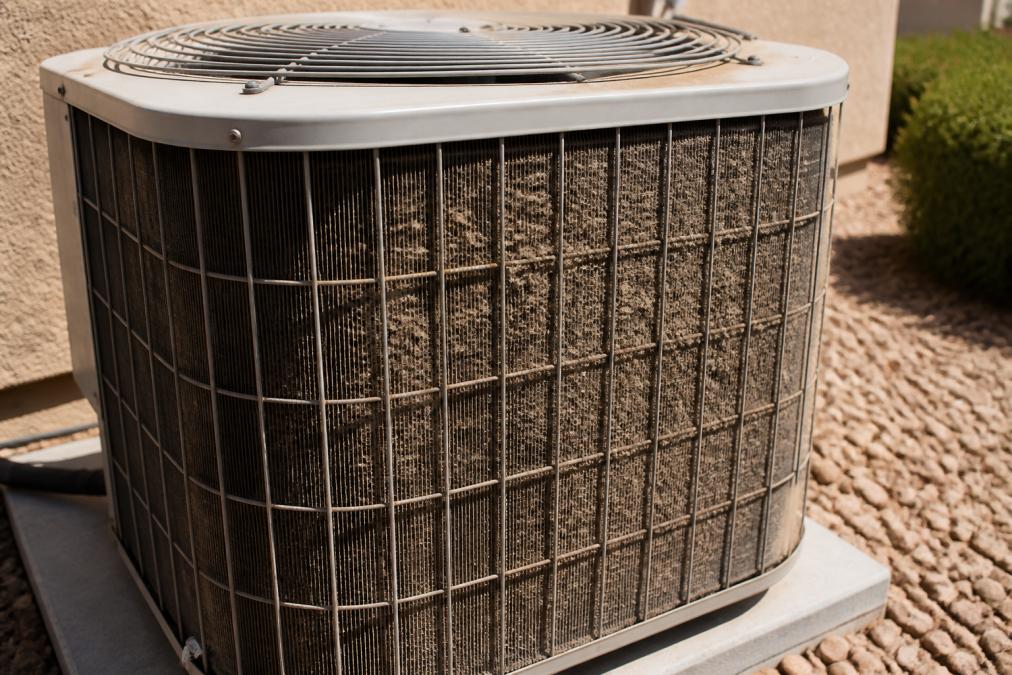
AC systems move heat from inside to outside. When outdoor temperatures exceed 95°F consistently, the compressor, your system's heart, can overheat and fail. Heat waves create a perfect storm: peak demand strains the electrical grid, voltage fluctuations damage components, and dust accumulates on condenser coils faster in dry conditions, forcing the compressor to work harder.
The timing is brutal. AC repair costs skyrocket during heat waves because technicians are overwhelmed, parts become scarce, and labor availability drops. What normally takes a day might take a week, leaving your home uninhabitable during the hottest days.
This is where preventative maintenance becomes critical. A neglected system will fail during a heat wave; a regularly serviced system typically survives. RTS Comfort Cooling & Heating recommends scheduling maintenance in spring, before summer heat arrives, to catch problems before they become emergencies.
AC Repair Cost During Heat Wave: Emergency vs. Routine Pricing
Emergency service fees exist because technicians work after hours, on weekends, and during peak demand. Dispatch times stretch, overtime labor rates apply, and some companies charge premium rates for calls made between midnight and 6 AM or on holidays.
Routine repairs happen during standard business hours when demand is lower. A technician can schedule multiple calls efficiently, parts are in stock, and you pay for the service call, diagnostic, and parts, but not the surge multiplier that comes with emergency demand.
During a heat wave, demand far exceeds supply. A repair costing $400 in April might cost $600 or $800 in July when temperatures exceed 110°F. This reflects real costs of overtime labor, expedited parts sourcing, and operational strain.
The practical reality: if your AC fails during a heat wave, you can pay the emergency premium immediately or wait days or weeks while living in dangerous heat. Most homeowners choose to pay the premium.
Why Is My AC Not Cooling: Common Causes and Diagnostics
When your AC stops cooling during a heat wave, the cause usually falls into one of several categories.
Refrigerant Leaks and Compressor Failure
Refrigerant absorbs heat inside your home and releases it outside. A leak means less refrigerant and less cooling capacity. The system runs continuously but never reaches your thermostat setting.
Refrigerant leaks develop over time from vibration, corrosion, and age. Small leaks might take months to become noticeable, but during a heat wave, they become critical within days because the system runs constantly.
A compressor failure is more serious. When it fails, cooling stops entirely. Compressor failure often follows refrigerant loss, the compressor overheats when working without adequate refrigerant. Once failed, the compressor must be replaced, making this the most expensive repair an AC system can need.
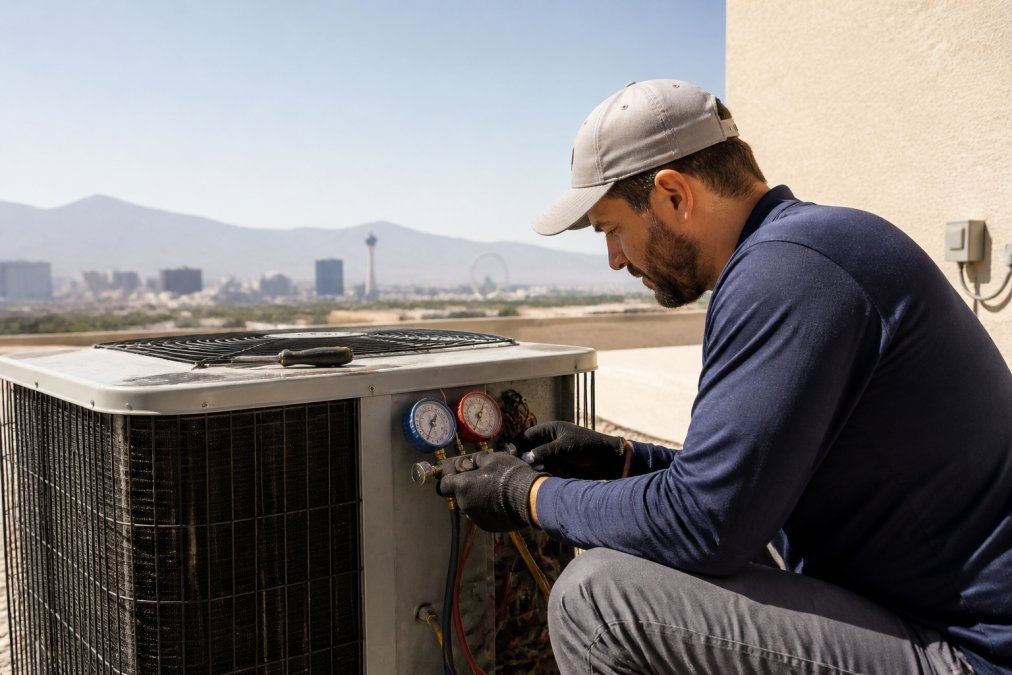
Diagnostics: A technician checks refrigerant pressure using gauges. Low pressure indicates a leak. They also listen for unusual compressor noises and check for silence when the unit should be running.
Airflow Restrictions and Thermostat Calibration Issues
Your AC cools air and moves it through ductwork. If airflow is restricted, cooled air doesn't reach living spaces. Common restrictions include clogged air filters, blocked return vents, and ductwork leaks. A dirty filter is the simplest problem, replace it and airflow improves immediately.
Thermostat calibration issues are deceptive. If miscalibrated, the thermostat might tell the system to stop cooling before your home reaches the set temperature.
Diagnostics: A technician measures temperature at supply vents and compares it to return air temperature. They also check airflow at vents and test thermostat accuracy.
Average Cost of AC Capacitor Replacement and Other Common Repairs
AC capacitor replacement is one of the most common repairs. Capacitors store electrical energy and help start the compressor and fan motors. A failed capacitor means the system won't start, you hear a clicking sound but the unit doesn't run. Replacement is relatively straightforward and typically affordable.
Contactor replacement is another common repair. Contactors are electrical switches controlling power to the compressor and fan. When they fail, the system won't start or runs intermittently.
Condenser fan motor failure prevents heat rejection. If the motor fails, the system can't cool effectively.
Evaporator coil leaks are serious. Leaks cause refrigerant loss and water damage. Coil replacement is expensive because it requires opening the system and recharging refrigerant.
The pattern is clear: simple electrical component failures are affordable repairs. Refrigerant system failures are expensive. Compressor replacement is the most expensive repair possible. RTS Comfort Cooling & Heating recommends diagnostic inspections before problems become emergencies.
AC Maintenance Tips for Extreme Heat
Preventative maintenance is your best defense against heat wave failures. A well-maintained system survives extreme heat.
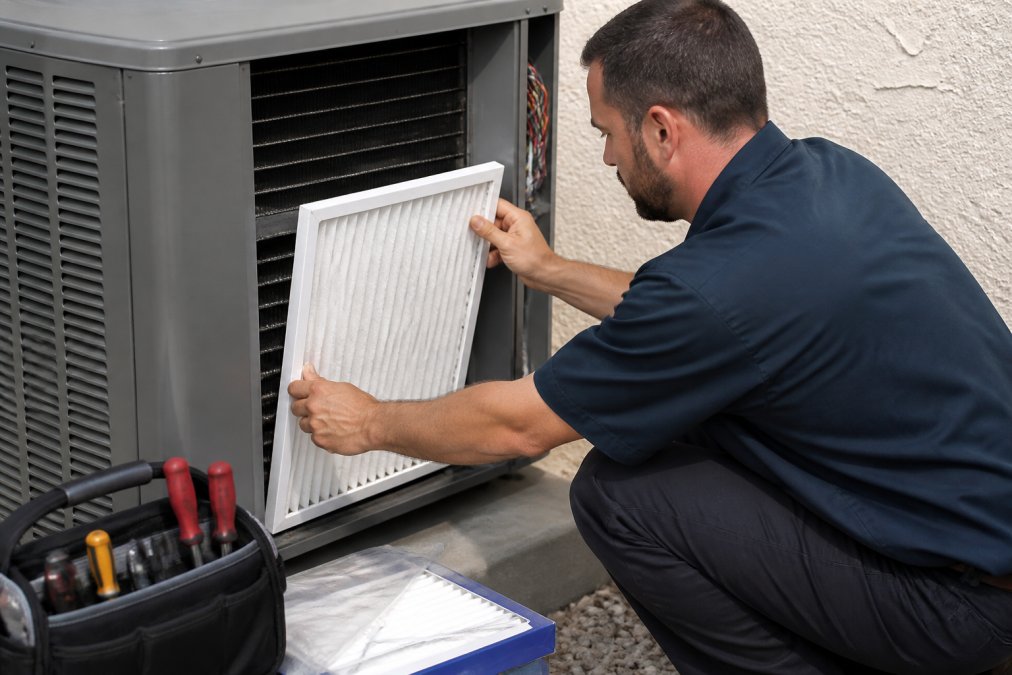
Change air filters monthly during summer. A clean filter improves airflow and cooling efficiency. Clogged filters force the system to work harder, increasing heat stress on components.
Call (702) 707-4242 for a free estimate →
Keep outdoor condenser units clear. Trim vegetation around the outdoor unit to maintain at least two feet of clearance. Remove leaves, grass clippings, and debris that accumulate on coil fins.
Have a professional inspection before summer. A technician checks refrigerant levels, cleans coils, tests electrical connections, and identifies failing components. Spring maintenance catches problems before they become emergencies.
Check thermostat accuracy. Place a thermometer near your thermostat and compare readings. If they differ significantly, the thermostat needs calibration or replacement.
Ensure proper ductwork sealing. Leaking ducts waste cooled air. A technician can identify and seal leaks so the system doesn't have to work as hard.
Clean condenser coils professionally. Coil cleaning improves heat transfer. Clean coils mean the compressor doesn't have to work as hard, reducing failure risk during heat waves.
Install a smart thermostat. Smart thermostats learn your patterns and optimize runtime, reducing unnecessary cooling cycles and heat stress on components.
Surge Pricing, Warranty Coverage, and When to Call a Professional
Surge pricing during heat waves is real and substantial. When demand for emergency AC repair spikes, prices rise due to overtime labor and parts scarcity.
Understanding warranty coverage helps you manage costs. Most AC systems come with manufacturer warranties covering parts for a specified period. Some warranties cover labor. Extended warranties can cover components beyond the standard period. During a heat wave, warranty coverage means you might pay nothing for parts and only labor costs.
Home insurance rarely covers AC repair. Standard homeowners policies cover sudden, accidental damage but not wear-and-tear failures.
If your AC isn't cooling and you've replaced the air filter, checked that vents aren't blocked, and verified the thermostat is set correctly, call a technician. Trying to repair refrigerant systems or electrical components yourself is dangerous and voids warranties.
During a heat wave, call during business hours if possible. Emergency fees apply to after-hours calls. If your home temperature exceeds 85°F inside, it's a genuine emergency. If it's 78°F inside and cooling is slowing, you might wait for a daytime appointment.
RTS Comfort Cooling & Heating offers 24/7 emergency service because heat waves don't follow business hours. For non-emergency issues, scheduling a routine appointment during normal hours costs less and gets you on the schedule faster.
Conclusion
AC repair cost during heat wave situations reflects real economic pressures, surge demand, overtime labor, and parts scarcity. The best strategy isn't managing emergency costs; it's preventing emergencies through spring maintenance.
A system inspected, cleaned, and tested before summer rarely fails when heat arrives. Components that are marginal get identified and replaced before failure. Refrigerant levels are verified. Electrical connections are secure. Airflow is optimized.
When your AC needs repair, RTS Comfort Cooling & Heating provides 24/7 emergency service with professional diagnostics and expert repair. Call (702) 707-4242 for a free estimate and schedule your preventative maintenance before the next heat wave arrives.
| Repair Type | Typical Complexity | Timeline | Prevention |
|---|---|---|---|
| Air filter replacement | Simple | Immediate | Monthly changes |
| Capacitor replacement | Moderate | 1-2 hours | Spring inspection |
| Refrigerant leak repair | Complex | 2-4 hours | Annual coil cleaning |
| Compressor replacement | Major | 4-8 hours | Preventative maintenance |
| Thermostat recalibration | Simple | 30 minutes | Annual verification |
U.S. Environmental Protection Agency guidance on refrigerant handling
American Society of Heating, Refrigerating and Air-Conditioning Engineers standards for HVAC systems
National Weather Service heat safety information
Frequently Asked Questions
Does AC repair cost more during a heat wave?
Yes. When peak demand hits, HVAC contractors experience surge pricing for emergency service calls, after-hours surcharges, and extended wait times. Many homeowners face 2-3x standard labor costs during extreme heat events. This reflects the high volume of failing HVAC systems and limited technician availability. Routine maintenance calls outside peak season cost significantly less.
Why is my AC not cooling, and what should I check first?
Start with the air filter, a clogged filter restricts airflow and reduces cooling capacity. Check your thermostat calibration to ensure it's set correctly. Listen for unusual sounds from the compressor or condenser unit. If the system runs but produces warm air, you may have a refrigerant leak or motor failure. A diagnostic inspection from a professional technician will identify the exact issue.
What is the average cost of AC capacitor replacement?
Capacitor replacement is one of the more affordable AC repairs, though pricing depends on your specific HVAC system and whether it occurs during routine service or emergency peak demand. For current pricing and a firm estimate tailored to your system, contact RTS Comfort Cooling & Heating at (702) 707-4242 for a free estimate.
How can I prevent my AC from breaking during a heat wave?
Replace air filters monthly during extreme heat, ensure the condenser unit has clear airflow (no debris or vegetation), and schedule preventative maintenance before peak season. Keep your thermostat at a reasonable temperature to reduce heat stress on electrical components. Professional duct cleaning and system inspection identify problems early. Smart thermostat installation can optimize cooling efficiency and reduce strain on your HVAC system.
This article was written using GrandRanker