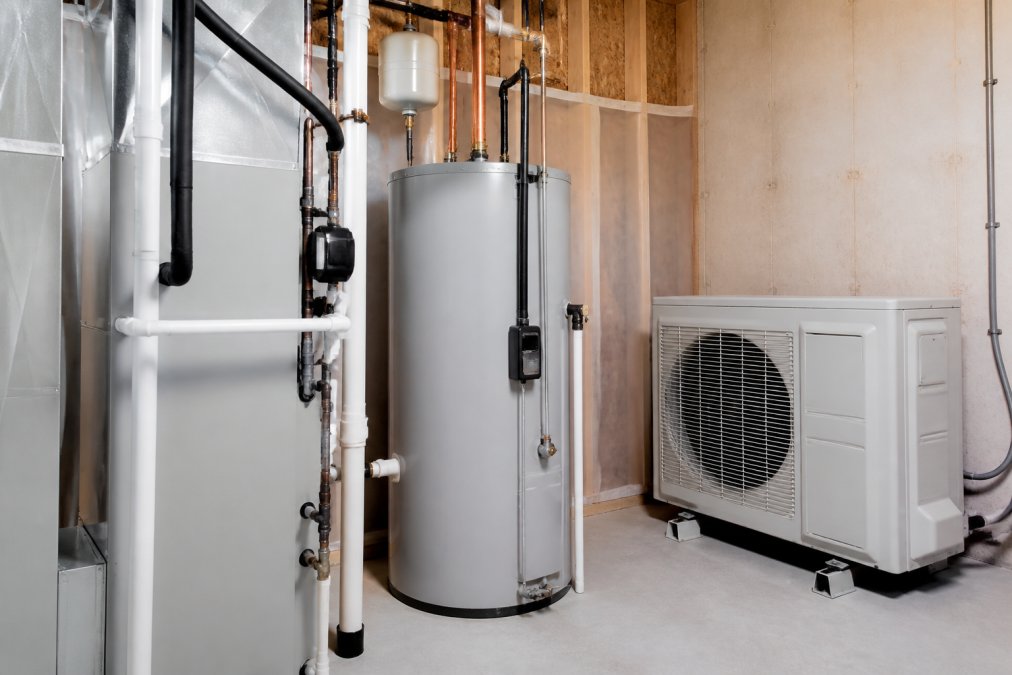
 comparison
Alternatives to Traditional Gas Furnaces: 2026 Guide
Table of Contents
- Heat Pumps vs. Gas Furnaces: How the Two Compare
- Dual Fuel System Benefits for Cold Snaps and Peak Demand
- Energy Tax Credits for HVAC Upgrades in 2026
- The Real Cost of Switching from Gas to Electric Heat
- Hydronic and Radiant Floor Heating: Worth the Retrofit?
- Why Cold-Climate Heat Pumps Change the Game
- Smart Home Integration and Zoning for Better Temperature Control
- Comparing Your Options at a Glance
- Frequently Asked Questions
Last Updated: September 18, 2026
Heat Pumps vs. Gas Furnaces: How the Two Compare
The most common alternatives to traditional gas furnaces are electric heat pumps, which run on electricity and move heat rather than burn fuel to create it. That single design difference drives nearly every trade-off that follows: efficiency, operating cost, and how the system performs when outdoor temperatures drop.
We field questions about this switch constantly, and the honest answer is that a heat pump wins on efficiency while a furnace still wins on raw heating capacity in extreme cold. A gas furnace generates heat through combustion and pushes it through ductwork. A heat pump uses a compressor and refrigerant to transfer existing heat from outdoor air into your home, then reverses the process in summer to cool it. One unit handles both seasons.
Efficiency Ratings That Actually Matter (SEER2 and HSPF2)
Two ratings decide how efficient a system really is. SEER2 measures cooling efficiency, while HSPF2 measures heating efficiency across a full season. Higher numbers mean less energy consumed per unit of comfort.
Gas furnaces are rated differently, by annual fuel use efficiency (AFUE). A high-efficiency furnace converts most of its fuel into heat, but it still burns fuel on site. A heat pump's efficiency comes from moving heat instead of making it, which is why the Department of Energy's guidance on heat pump efficiency consistently points to heat pumps as the more efficient option in moderate and mixed climates.
That efficiency gap is the core argument for switching. It is also where the comparison gets more interesting than most guides admit.
Dual Fuel System Benefits for Cold Snaps and Peak Demand
A dual-fuel system pairs an electric heat pump with a gas furnace as backup, and it solves the biggest objection to going all-electric: what happens when it gets genuinely cold. The heat pump handles the majority of the year, and the furnace kicks in only when outdoor temperatures fall below the heat pump's efficient operating range.
Here is why that matters in practice:
- The heat pump carries the load in mild and moderate weather, when it is most efficient
- The gas furnace takes over during cold snaps, protecting heating capacity
- You avoid the high cost of electric resistance backup heat
- The system balances utility costs across two fuel sources
A common mistake is sizing the backup furnace as an afterthought. The furnace should be matched to your home's actual heat loss, not just added as insurance. Get that wrong and you pay for capacity you never use.
Energy Tax Credits for HVAC Upgrades in 2026
Federal incentives are the single biggest reason many homeowners can justify switching off a gas furnace, and most guides bury or skip them. Here is the concrete picture.
The federal Energy Efficient Home Improvement Credit, commonly called 25C, lets qualifying homeowners claim 30% of the cost of an eligible heat pump, up to $2,000 per year. That cap is separate from the broader $1,200 annual aggregate limit that applies to other efficiency upgrades like insulation, windows, and doors. A home energy audit, for example, is covered at 30% up to $150, and air sealing or insulation at 30% up to $1,200. Stack them in the right order and the credits add up quickly.
Three rules decide whether you actually get the money:
- The equipment must hit specific efficiency thresholds. A heat pump has to meet or exceed the Consortium for Energy Efficiency's highest tier for its category, not just carry an ENERGY STAR label. A contractor who installs heat pumps regularly will know which models clear the bar before the truck shows up.
- The home must be your primary residence. 25C is for existing homes and principal residences; new construction and rentals do not qualify.
- You need the manufacturer's certification statement and your itemized receipt. Credits are claimed on your federal return at tax time, not at the point of sale, so the paperwork has to survive until filing season.
On top of the federal credit, most utilities run their own heat pump rebate programs, and many state energy offices layer additional incentives on top. The ENERGY STAR federal tax credit information for HVAC page lists qualifying equipment, and the IRS guidance on the Energy Efficient Home Improvement Credit page spells out the caps and documentation requirements.
A qualified contractor can confirm which systems qualify before you buy, which prevents the worst outcome: installing equipment that misses the threshold by a hair and losing the entire credit.
Call (702) 707-4242 for a free estimate →
The Real Cost of Switching from Gas to Electric Heat
Anyone who quotes you a single number for switching from gas to electric heat is guessing. But that does not mean the math is unknowable, it means you have to look at it in two parts: what you pay up front, and what you pay over the next decade.
Up-Front Costs
Equipment and installation for a cold-climate heat pump typically land in the mid-four-figure to low-five-figure range depending on size, brand, and whether you need a dual-fuel configuration. On top of that, older homes often need:
- An electrical panel upgrade to handle the added load
- Ductwork sealing, repair, or resizing
- A new thermostat compatible with the system
- A manual J load calculation before any equipment is ordered
Those add-ons are where budgets actually break.
The 10-Year Total Cost of Ownership
We provide free estimates so homeowners can see the actual numbers for their house, including the electrical and ductwork work that a generic online calculator will never capture.
Hydronic and Radiant Floor Heating: Worth the Retrofit?
Hydronic heating, which circulates hot water through pipes or radiant floor panels, delivers the most even thermal comfort of any system. It is also the hardest to retrofit, which is why it rarely makes sense as a standalone replacement for an existing forced-air furnace.
Why Cold-Climate Heat Pumps Change the Game
Cold-climate heat pumps have largely erased the old objection that heat pumps cannot handle real winters. Inverter-driven compressor technology lets these systems adjust their speed to match demand, maintaining heating capacity as outdoor temperatures drop well below what older heat pumps could manage.
- More consistent temperature control
- Better efficiency at part load
- Quieter operation
- Less wear from constant starting and stopping
Smart Home Integration and Zoning for Better Temperature Control
Smart thermostats and zoning turn a good heating system into a great one, and they are the cheapest upgrade in this entire comparison. A smart thermostat learns your schedule and adjusts automatically, while zoning lets you control temperature room by room instead of heating the whole house uniformly.
EPA guidance on indoor air quality and home ventilation
Comparing Your Options at a Glance
| System | Best For | Heating Efficiency | Notes |
|---|---|---|---|
| Air-source heat pump | Mild to moderate climates | High | Heats and cools in one unit |
| Dual-fuel system | Cold snaps, existing gas lines | High | Heat pump plus furnace backup |
| Cold-climate heat pump | Colder regions | Very high | Inverter-driven, holds capacity |
| Electric furnace | Homes without gas access | Lower | Simple, but costly to run |
| Hydronic / radiant | New builds, renovations | High | Best comfort, hardest retrofit |
Frequently Asked Questions
Are natural gas furnaces being phased out?
No federal ban on natural gas furnaces exists as of 2026. However, some states and cities have introduced regulations limiting new gas connections in certain buildings. Federal tax credits and efficiency standards are pushing homeowners toward electric options like heat pumps. If you are considering a replacement, check local rules and available incentives before choosing a gas furnace.
Are heat pumps better than traditional furnaces?
Heat pumps win on efficiency and long-term operating costs in most climates. They provide both heating and cooling, which a furnace cannot. Traditional gas furnaces still have lower upfront costs and perform well in extreme cold without a backup. For mild winters, a heat pump is often the better choice. For colder regions, a dual-fuel system pairs both technologies.
What is a dual-fuel heating system and how does it work?
A dual-fuel system combines an electric heat pump with a gas furnace. The heat pump handles most heating needs until outdoor temperatures drop below a set point, then the furnace takes over. This setup delivers the efficiency of a heat pump with the cold-weather reliability of gas. It also gives you a backup if one fuel source becomes expensive.
How much can energy tax credits for HVAC upgrades save me?
The federal tax credit for qualifying heat pumps covers 30% of the project cost, up to $2,000 per year. Additional credits may apply for insulation, windows, and electrical panel upgrades. Many utility companies offer rebates on top of federal incentives. Exact savings depend on your tax liability and the specific equipment you install. Consult a tax professional for details.
What is the cost of switching from gas to electric heat?
The cost of switching from gas to electric heat includes equipment, labor, and possible electrical upgrades. A heat pump installation typically costs more upfront than a gas furnace replacement. However, federal tax credits and utility rebates can offset a significant portion. Long-term savings on utility bills often make up the difference over time. Get a professional estimate for your specific home.