 comparison
5 Factors That Determine Annual AC Maintenance Plan Costs
Last Updated: October 24, 2026
Quick Summary
Annual AC maintenance plan costs vary based on system type, local labor rates, and included services, typically ranging from what a single emergency repair would cost to several hundred dollars per year. Most plans include one or two visits annually for routine inspection, cleaning, and minor adjustments, with costs depending on whether repairs and parts are covered.
- Most plans include one or two visits per year for filter replacement, coil cleaning, refrigerant checks, and electrical testing
- Plans typically cost less than paying for two separate tune-ups plus diagnostic fees when calculated over a full year
- Older systems over 10-15 years old usually justify a maintenance plan due to higher failure risk and repair costs
- Urban areas charge more per service hour than rural regions, significantly affecting annual AC maintenance plan costs
- Read exclusions carefully: many plans exclude pre-existing conditions, cap repair spending, or have waiting periods before repair coverage begins
Table of Contents
- What Annual AC Maintenance Plan Costs Typically Range
- AC Tune-Up Cost: One-Time Service vs. Annual Plan
- What Is Included in an HVAC Maintenance Plan
- Five Factors That Affect Annual AC Maintenance Plan Costs
- Are HVAC Maintenance Plans Worth It
- HVAC Service Contract Cost and Plan Exclusions
- Getting Your Free Maintenance Plan Estimate
- Frequently Asked Questions
What Annual AC Maintenance Plan Costs Typically Range
Annual AC maintenance plans vary in cost, depending on system type, local labor rates, and included services. Knowing this helps you judge whether a plan fits your budget.
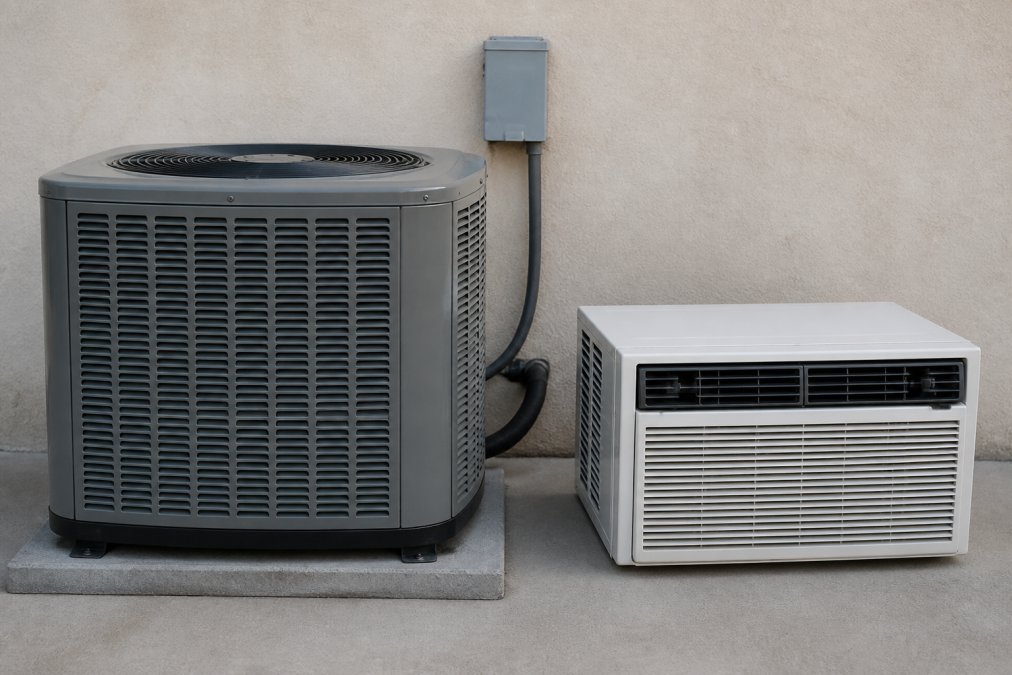
Costs vary because no two systems are identical: a window unit needs far less service than central air, and urban labor rates often exceed rural ones. Comparing quotes means comparing three things: what gets serviced, how often technicians visit, and what repairs are covered.
Most homeowners find a plan costs roughly what a single emergency repair would run, predictable annual expense versus unpredictable emergency bills is why many choose plans at all.
AC Tune-Up Cost: One-Time Service vs. Annual Plan
A single AC tune-up typically varies in cost for one visit. An annual or biannual maintenance plan also varies per year, depending on coverage and frequency. The key difference is commitment and continuity.
One-time tune-ups make sense for new, reliable systems since you pay only when service is needed, but they leave you exposed to breakdowns, especially in peak cooling season when emergency calls command premium pricing.
An annual plan locks in one or two visits per year at a predictable rate, paying for consistency and early problem detection rather than reactive repairs. Most plans cover parts and labor for routine maintenance; major repairs may carry separate fees.
The break-even point varies. For older or heavily used systems, a plan typically saves money within the first year.
What Is Included in an HVAC Maintenance Plan
A standard HVAC maintenance plan covers routine inspection, cleaning, and minor adjustments, typically filter replacement, coil cleaning, refrigerant level checks, and electrical component testing. Review the HVAC Maintenance Checklist for Homeowners to see the detailed tasks included in professional maintenance. The confusion starts when homeowners assume it's a repair warranty. It usually isn't, and that difference determines whether the annual fee pays off.
Here is what typically happens during a maintenance visit:
- Visual inspection of indoor and outdoor units
- Filter replacement or cleaning
- Coil and condenser cleaning
Maintenance vs. Repair Coverage: Know the Line
Routine maintenance is preventive: cleaning, tightening, testing, adjusting. Repair coverage pays for failed parts and labor to replace them. Many plans include one but not the other, and contract language matters more than the brochure.
| Coverage Element | Typical Maintenance Plan | Typical Repair Contract |
|---|---|---|
| Scheduled visits | 1-2 per year | Usually none |
| Filter replacement | Often included | Rarely included |
| Coil cleaning | Often included | Not included |
| Refrigerant recharge | Usually extra | Sometimes capped |
| Failed parts (capacitor, blower motor) | Usually extra or discounted | Often covered with limits |
| Labor on repairs | Discounted 10-20% or extra | Often included |
| Emergency/after-hours calls | Priority scheduling, fee may apply | Often covered |
| Diagnostic fee | Sometimes waived | Sometimes waived |
A common pattern is a hybrid plan: two maintenance visits plus a 15% discount on repair labor and priority scheduling. That is not full repair coverage. If your compressor fails in July, you may still pay for the part and most of the labor.
Exclusions and Fine Print That Change the Math
Most plans exclude damage from improper installation or modification, lack of maintenance (some require proof of service history), manufacturer defects covered under warranty, power surges, cosmetic damage, and environmental events like flooding. Also watch for:
- Repair caps. Some plans limit total repair spending to a set amount per year or per visit.
- Waiting periods. New enrollments often cannot claim repair benefits for 30 days.
- Pre-existing conditions. Known leaks or failing components may be excluded at sign-up.
HVAC maintenance checklist for homeowners outlines what professional maintenance should address. HVAC maintenance plan pricing comparison shows how costs vary by coverage level.
At RTS Comfort Cooling & Heating, every maintenance visit includes a comprehensive inspection that catches issues before they become expensive problems. We document your system's condition over time and explain in writing which items are maintenance and which would be repairs.
| Service Item | Typically Included | May Be Extra |
|---|---|---|
| Filter replacement | Yes | Sometimes |
| Coil cleaning | Yes | Sometimes |
| Refrigerant check | Yes | Recharge labor |
| Electrical testing | Yes | Component replacement |
| Ductwork inspection | Sometimes | Duct sealing |
| Thermostat calibration | Yes | Smart thermostat installation |
Five Factors That Affect Annual AC Maintenance Plan Costs
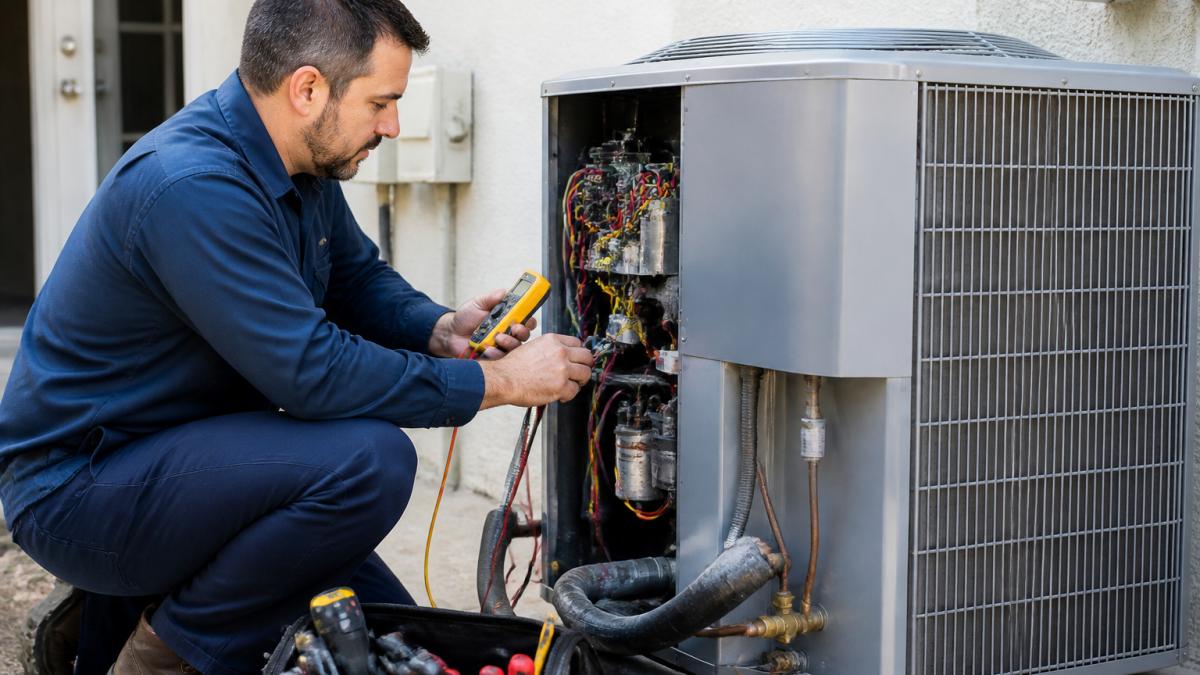
Equipment Type and System Size
Split systems (the most common residential setup) cost less to maintain than rooftop or commercial equipment.
Ductless mini-splits are simpler to service than traditional ducted systems, which can lower maintenance costs. Conversely, older systems with obsolete parts may require specialized technicians and higher labor rates.
Service Frequency and Visit Schedule
Most plans include one or two visits per year. A single annual visit costs less than a biannual plan. Seasonal plans, one visit before cooling season and one before heating season, are common and often provide better protection than a single yearly check.
More frequent visits mean higher annual costs but potentially lower repair bills. Systems that run heavily, commercial settings or climates with long cooling seasons, benefit from quarterly or semi-annual service; residential systems in moderate climates usually need two visits yearly at most.
Coverage Scope and Included Services
Plans range from inspection-only coverage to comprehensive packages with parts, labor, and repair discounts. A plan covering only routine maintenance labor costs less than one covering parts, refrigerant, and priority emergency service.
Some plans bundle extras like duct cleaning or smart thermostat installation, which add value but raise the annual cost. Decide which services matter most, if your ducts are clean and your thermostat works fine, bundled services may be unnecessary expense.
Local Labor Rates and Regional Pricing
HVAC technician wages vary by region. Urban areas with higher costs of living typically charge more per service hour than rural regions. Licensing requirements, local regulations, and competition also influence pricing.
A maintenance plan in a major metropolitan area might cost more than the same plan in a smaller town, reflecting real differences in technician training, overhead, and market demand rather than quality variation.
System Age and Condition
Newer systems in good condition require standard maintenance. Older or worn systems demand closer inspection, specialized parts, or more time per visit, and some plans charge premium rates for systems over 10-15 years old because failure risk rises.
Call (702) 707-4242 for a free estimate →
A system with known issues, a slow refrigerant leak, aging capacitors, or worn compressor bearings, may not qualify for standard plans. Providers sometimes offer separate pricing for high-risk systems or exclude certain repairs from coverage.
Are HVAC Maintenance Plans Worth It
The value of a maintenance plan depends on your system's age, local repair costs, and how much predictability matters to you. Benefits of an Annual AC Maintenance Plan can help you understand what you'll gain from regular service. A new system in a moderate-labor market may not need a plan; an aging system in an expensive market almost always justifies one.
A Practical Break-Even Calculation
Start with three numbers:
- Your plan's annual fee. Example: $240 per year for two visits.
- Your local one-time tune-up price. Example: $150 per visit, so two visits would cost $300 out of pocket.
- Your expected repair spending without a plan. Use your last three years of repair bills as a guide.
Then add the value of included perks: a repair-labor discount on repairs is worth about, and waiving a diagnostic fee adds.
A simple comparison for a homeowner:
| Cost Category | Pay Per Visit | Annual Plan |
|---|---|---|
| Two tune-ups | $300 | Included |
| Diagnostic fees (2) | $150 | $0 |
| Repair labor discount | $0 | $60 saved |
| Priority scheduling | Not available | Included |
| Net annual cost | $450 | $240 |
In that example the plan saves money per year before any repair coverage. If your system is newer and you only schedule one tune-up every other year, the math flips: paying per visit may cost less than a plan.
Total Cost Over Three and Five Years
Single-year comparisons hide the real pattern. Over five years, a plan costs; two tune-ups per year costs, assuming no diagnostic fees and no repair discounts. Add one mid-season repair in year three and the gap widens further.
| Scenario | 3-Year Cost | 5-Year Cost |
|---|---|---|
| Annual plan | $720 | $1,200 |
| Two tune-ups/year | $900 | $1,500 |
| Pay per visit plus one repair | $1,500 | $2,100 |
These are illustrative figures, not quotes; your local labor rates, plan terms, and repair history will shift the numbers. The point is the method: compare the plan fee against what you'd actually spend on visits, diagnostics, and repairs, not against a vague sense of security.
When the Plan Usually Wins
Preventive maintenance reduces the risk of catastrophic failure: a mid-summer breakdown, when emergency rates peak, costs far more than a planned visit. Benefits of Regular HVAC Maintenance for Homeowners explains how routine service protects your system and budget.
The plan usually wins when your system is over 10 years old, you've used emergency service in the past two years, local tune-up prices are high, or the plan includes meaningful repair discounts and waived diagnostic fees. Paying per visit usually wins when the system is new, under warranty, and you have emergency funds set aside.
The real question isn't whether plans are worth it in general, but whether this plan's fee beats your actual spending pattern. If unexpected bills stress your budget or your system is aging, the answer is usually yes; if your system is new and reliable and you have emergency funds, a plan is optional.
HVAC Service Contract Cost and Plan Exclusions
Service contracts differ from maintenance plans: a contract typically covers repairs for a set period, while a plan focuses on preventive maintenance.
Read the fine print: most contracts exclude damage from:
- Improper installation or modification
- Lack of maintenance (ironic, but true, some plans require proof of service history)
- Manufacturer defects covered under warranty
Coverage limits vary too: some plans cap repair costs per year, others limit service calls, and a few exclude components like compressors or evaporator coils.
Ask your provider directly: What's not covered? What happens if my system needs a major repair? What's the deductible, if any?
Getting Your Free Maintenance Plan Estimate
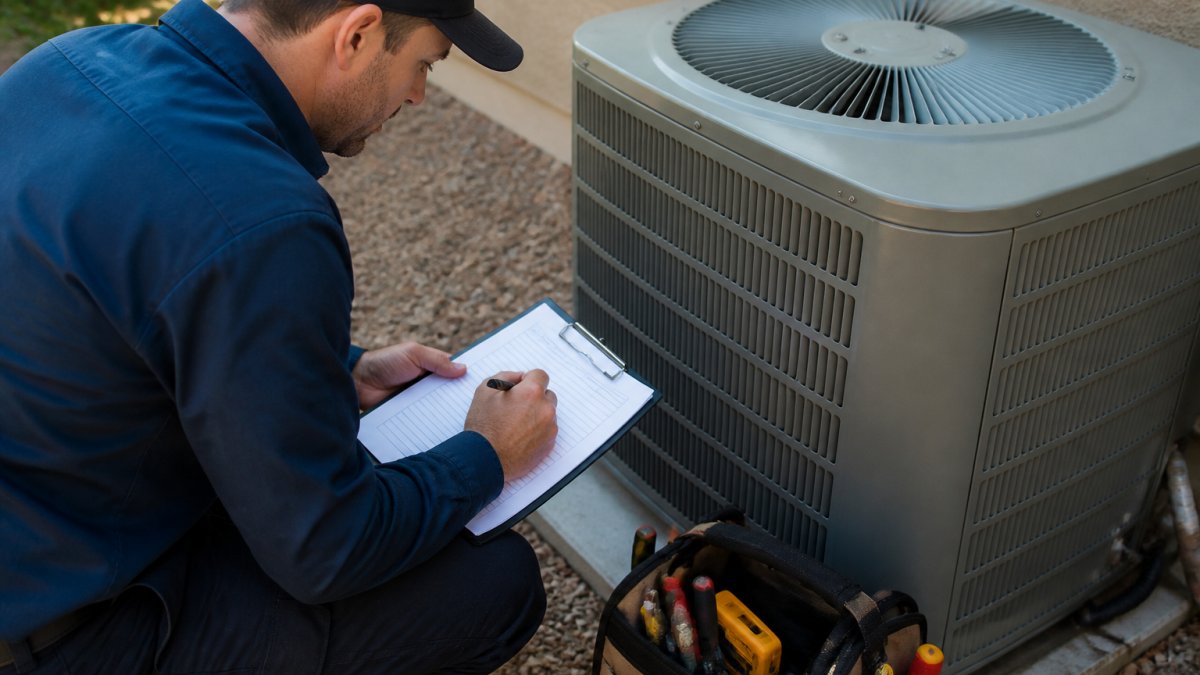
The best way to understand plan costs for your system is to request a free estimate. Technicians evaluate your equipment, age, condition, and local market rates to recommend appropriate coverage.
During a free estimate, expect the technician to:
- Inspect your indoor and outdoor units
- Note the system age and condition
- Assess ductwork and thermostat setup
HVAC maintenance plan benefits details what you'll gain from regular service. HVAC maintenance plan pricing comparison shows how costs vary by coverage level.
RTS Comfort Cooling & Heating offers free estimates and can walk you through plan options tailored to your home.
Frequently Asked Questions
How much does annual AC maintenance cost on average?
Annual AC maintenance plan costs vary per year. A single AC tune-up service also varies when purchased one time. The difference depends on equipment type, system size, service frequency, and what services are included in your maintenance plan. Residential split systems usually fall on the lower end, while larger or commercial equipment costs more.
What is the difference between an AC tune-up and an annual maintenance plan?
An AC tune-up is a one-time service visit where a technician inspects and adjusts your system. An annual maintenance plan is a contract covering multiple visits per year (usually one or two) at a fixed annual cost. Plans often include priority scheduling, repair discounts, and waived diagnostic fees, while a one-time tune-up covers only that single visit. Plans provide better value if you want routine care and peace of mind.
Does an HVAC maintenance plan cover repairs?
Most HVAC maintenance plans do not cover the full cost of repairs; they focus on preventive maintenance. However, plans typically include benefits like repair discounts, waived diagnostic fees, and priority emergency service. Some plans offer parts coverage for minor replacements discovered during routine visits. Always review your contract's exclusions, major component failures, refrigerant recharges, and compressor replacements are usually not covered under standard plans.
Can an annual AC maintenance plan help prevent expensive repairs?
Yes. Regular maintenance visits catch small issues before they become costly failures. A technician inspects refrigerant levels, cleans coils, replaces filters, and checks electrical connections, all tasks that prevent breakdowns. Many homeowners find that the annual plan cost is offset by avoiding an emergency repair. The plan also extends system life and improves energy efficiency, which reduces utility bills over time.
The cost of annual AC maintenance plans reflects the complexity of your system, the region you live in, and the coverage you choose. A plan typically costs between $150 and $500 annually, a modest investment compared to the cost of emergency repairs or early system failure. Las Vegas HVAC repair and installation to get a free estimate and see which plan option fits your needs.