 how-to
Book 24/7 Emergency HVAC Repair: A Homeowner's Guide
Table of Contents
- What Counts as Emergency HVAC Service
- Signs You Need Emergency HVAC Service
- How to Troubleshoot HVAC Before Calling a Pro
- Understanding Emergency AC Repair Cost
- How to Book 24/7 Emergency HVAC Repair
- Why Fast Response Matters for System Failures
- Conclusion
Last Updated: August 22, 2026
What Counts as Emergency HVAC Service
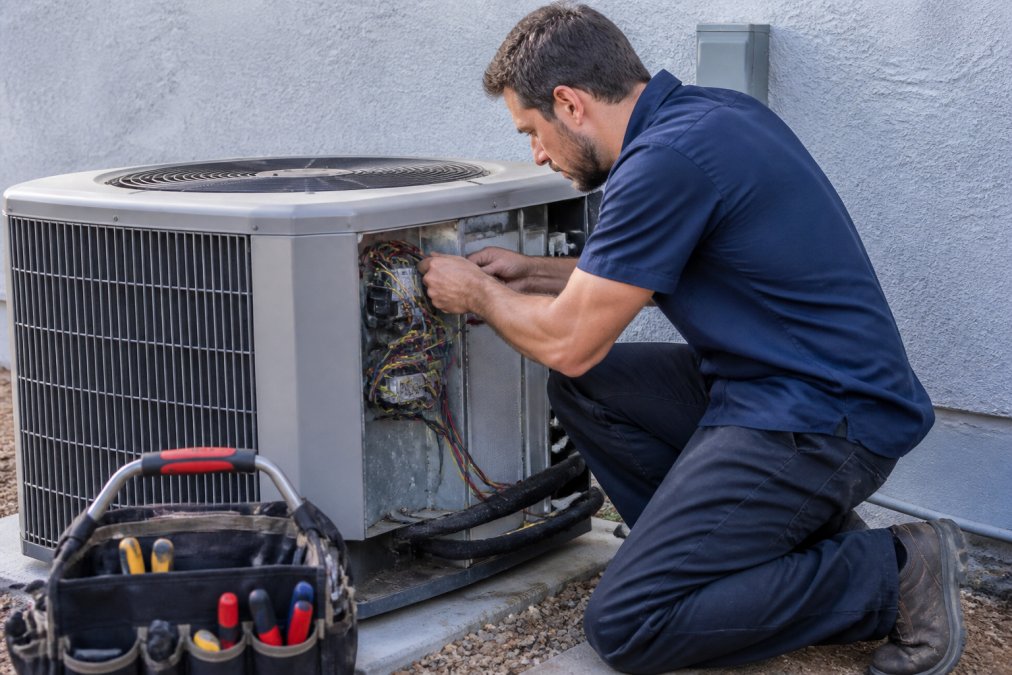
Emergency HVAC service is immediate repair or restoration of your heating, cooling, or ventilation system when it fails outside regular business hours or poses an immediate risk to your home's comfort and safety. A thermostat displaying the wrong temperature on a mild spring day isn't urgent. A furnace that won't ignite in the middle of winter when outdoor temperatures drop below freezing is.
At RTS Comfort Cooling & Heating, we understand that HVAC emergencies don't follow a 9-to-5 schedule. Systems fail at 2 AM during heat waves, on holiday weekends, and during the coldest nights of the year. A delayed repair can turn a fixable problem into system damage, water damage, or unsafe indoor conditions. Emergency service typically covers system restoration and diagnostics to get your climate control back online.
Signs You Need Emergency HVAC Service
Knowing when to call for emergency HVAC repair versus scheduling routine service prevents unnecessary panic and saves money.
Immediate danger signs that demand emergency repair:
Your system has stopped producing heat or cooling entirely. A completely non-functional system creates unsafe living conditions within hours.
You smell gas or burning odors coming from your HVAC unit. This signals potential safety hazards including refrigerant leaks, electrical component failure, or fuel line issues. Shut the system off immediately and call for emergency dispatch.
Your system is making loud grinding, squealing, or clanging sounds. These noises often indicate mechanical failure or bearing problems that worsen rapidly.
Water is pooling around your indoor unit or dripping from vents. This suggests a refrigerant leak, blocked condensate drain, or internal component failure that spreads quickly and creates mold risk.
Your home temperature is dropping or rising uncontrollably despite the system running. Rapid temperature changes indicate major malfunction requiring immediate technician intervention.
When to Call Right Away vs. Schedule Routine Service
Call for emergency HVAC repair if:
The system has completely stopped working and outdoor temperatures are extreme (below 32°F or above 95°F) (noaa.gov). Comfort becomes a safety issue within hours.
You detect safety hazards like gas smell, burning odors, or electrical sparks.
Your system is making unusual loud noises or showing signs of mechanical failure.
You have water damage, flooding, or visible refrigerant leaks.
Schedule routine service if:
Your system is cooling or heating but running less efficiently than normal.
You notice minor issues like a thermostat display glitch or a single vent not working properly.
Your system cycles on and off more frequently than usual but still maintains temperature.
You're hearing minor rattling but the system is otherwise functioning normally.
The difference between emergency and routine often comes down to whether your home is becoming unsafe or uncomfortable immediately. RTS Comfort Cooling & Heating handles both, but understanding this distinction helps you get the right response at the right time.
How to Troubleshoot HVAC Before Calling a Pro
Before you dial for emergency HVAC repair, a few quick checks can help you understand what's happening and may resolve simple issues without a service call.
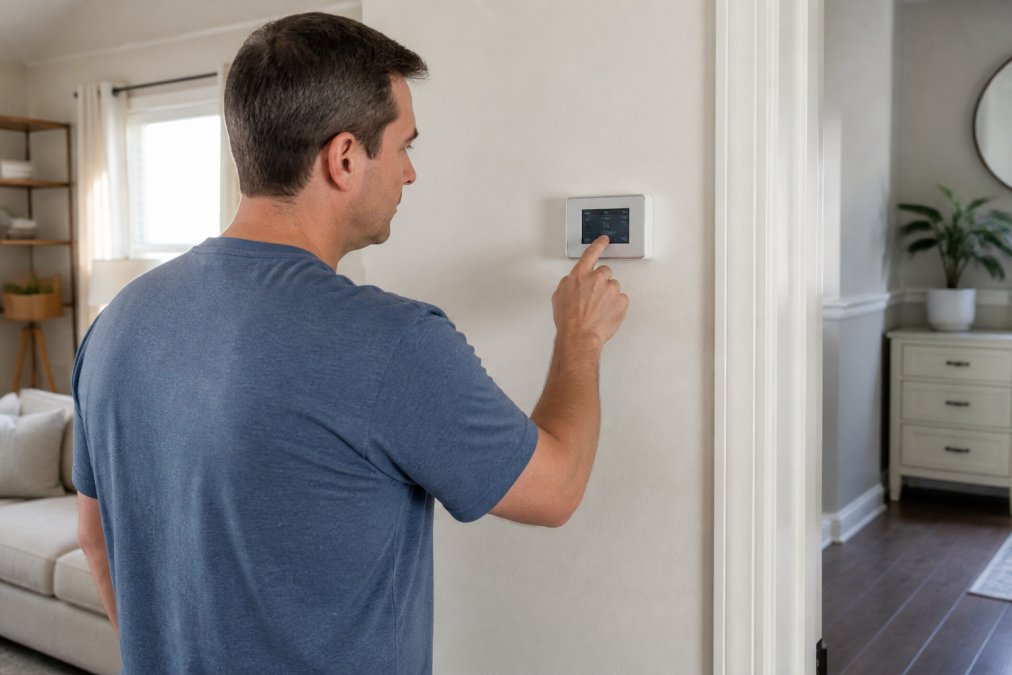
Start with the thermostat. Check that it's powered on and set to the correct mode (heating or cooling). Verify the temperature setting is actually different from your current room temperature. Replace the batteries if it's a wireless model. Many service calls get canceled because the thermostat was simply set to the wrong mode or had dead batteries.
Next, check your air filter. A completely clogged filter restricts airflow and makes your system work harder. If the filter looks dark or blocked, replace it. This single step resolves many performance complaints and costs under $20.
Look at your outdoor unit if you have AC. Make sure it's not blocked by leaves, debris, or vegetation. Clear away anything restricting airflow around the condenser unit.
Listen to the system when it's running. Unusual sounds like grinding, squealing, or loud rattling signal problems that need professional diagnosis. Normal operation is relatively quiet.
Check all visible connections and ductwork for obvious damage or disconnection. Flex ducts can disconnect at joints, reducing airflow to certain rooms.
DIY Safety Checklist
Before you attempt any HVAC troubleshooting, follow these safety guidelines. HVAC systems involve electrical components, refrigerant, and moving parts that can cause injury if mishandled.
Do not attempt:
- Opening sealed refrigerant lines. Refrigerant is pressurized and toxic.
- Disassembling electrical components or working inside the furnace cabinet. Electrical shock risk is serious.
- Forcing open stuck panels or covers. Panels are secured for safety reasons.
- Cleaning or adjusting internal components without training.
Safe actions you can take:
- Turning the system on and off using the thermostat or breaker switch
- Replacing air filters following manufacturer instructions
- Clearing debris from around outdoor units
- Visual inspection of accessible components
- Checking thermostat batteries and settings
- Listening and observing for obvious problems
If any troubleshooting step feels unsafe, stop immediately and call for professional help.
Understanding Emergency AC Repair Cost
Cost uncertainty stops many homeowners from calling for emergency HVAC repair even when they need it. Emergency service costs more than standard repair appointments because technicians respond outside normal business hours and maintain 24/7 availability.
Factors that influence emergency repair pricing:
The specific problem determines labor time and parts needed. A simple thermostat reset takes 30 minutes. A refrigerant leak diagnosis and repair takes several hours.
The time of call affects availability and response urgency. Calling at midnight on a holiday weekend typically costs more than calling at 11 PM on a Tuesday.
Your location and distance from the service area influences response time and travel costs.
Whether parts are in stock or need ordering. Emergency repairs using standard replacement components cost less than those requiring special order parts.
The severity of the problem and whether it involves safety hazards.
Rather than guessing at pricing, contact RTS Comfort Cooling & Heating directly for a service estimate. Transparent pricing before work begins prevents surprise bills and helps you understand exactly what you're paying for.
How to Book 24/7 Emergency HVAC Repair
Getting emergency HVAC repair when you need it requires knowing how to initiate the call and what information to have ready.
To book emergency service with RTS Comfort Cooling & Heating, call (702) 707-4242. This number connects you directly to our 24/7 dispatch team. Have this number saved in your phone contacts now, before you face an emergency.
When you call, be ready to provide:
Your address and location details so the technician can plan the route.
A description of what's happening with your system. Is it completely non-functional? Making unusual noises? Leaking water?
Your system type if you know it (furnace, heat pump, AC unit, etc.).
When the problem started and whether it's getting worse.
Any safety concerns like gas smell, burning odors, or visible damage.
The dispatcher will confirm your service area, provide an estimated arrival window, and answer initial questions.
What to Expect During Your Service Call
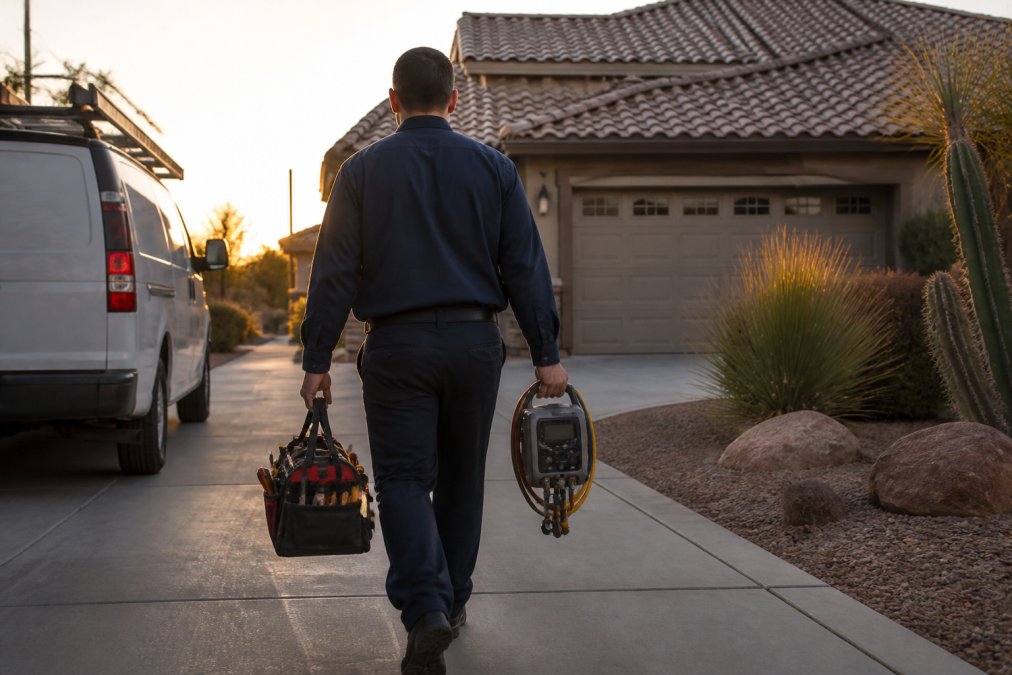
The technician will arrive in a marked service vehicle during the estimated window and confirm your address and the problem you described.
Next comes system diagnosis. The technician will inspect your unit, run tests, check electrical connections, and identify the specific problem. This typically takes 30-60 minutes depending on complexity.
You'll receive a clear estimate before repair work begins. You can approve the work, ask questions, or request alternatives.
Once you approve, the technician performs the repair. This might involve replacing components, recharging refrigerant, cleaning ducts, or adjusting system settings.
After repair completion, the technician will test the system to verify it's operating correctly and explain what failed.
Finally, you'll receive an invoice detailing all work performed, parts used, labor time, and total charges.
Why Fast Response Matters for System Failures
The time between system failure and technician arrival directly impacts your comfort, safety, and repair costs. When your HVAC system fails completely, your home's temperature begins changing immediately. In winter, an unheated home loses approximately 1-2 degrees per hour (energy.gov). In summer, an unventilated home gains heat rapidly. Within 4-6 hours of complete system failure, indoor temperatures become uncomfortable (the CDC). Within 12 hours, they become unsafe.
Delayed repair also allows problems to worsen. A small refrigerant leak grows larger, reducing cooling capacity further. An electrical component failure can damage connected components if the system continues running. Water from a condensate drain backup spreads through walls and ceilings, creating mold risk.
System damage escalates repair costs significantly. A compressor that fails due to refrigerant starvation costs thousands to replace, whereas addressing the refrigerant leak early costs far less.
Safety hazards also worsen with delay. A gas leak becomes more dangerous the longer the system operates. Electrical component failures can create fire risk. Refrigerant exposure accumulates with continued system operation.
Fast response from RTS Comfort Cooling & Heating means your system gets back online before conditions become dangerous or problems cascade into expensive damage.
Conclusion
Emergency HVAC repair isn't something you plan for, it happens when systems fail at the worst possible times. But knowing how to recognize true emergencies, what to check before calling, and how to book immediate service puts you in control when your comfort is on the line.
The key is having the right number saved and understanding when to call. RTS Comfort Cooling & Heating provides 24/7 emergency HVAC repair with fast response, professional technicians, and transparent pricing. When your system fails, call (702) 707-4242 for immediate assistance. Our team handles everything from emergency diagnostics to complete system restoration, ensuring your home stays comfortable year-round.
Frequently Asked Questions
Q: What qualifies as emergency HVAC service?
A: Emergency HVAC repair covers sudden system failures that affect your home's comfort or safety. This includes complete AC breakdowns during extreme heat, furnace failures in winter, refrigerant leaks, electrical component failures, and situations where your system poses a safety risk. Non-emergencies like minor thermostat adjustments or routine maintenance can wait for business hours. When in doubt, call a professional to assess whether your situation requires immediate dispatch.
Q: How much does emergency AC repair cost?
A: Emergency repair costs depend on the specific problem, system complexity, and whether parts replacement is needed. Emergency service calls typically include a higher dispatch fee than routine repairs, especially during nights, weekends, or holidays. The best way to understand pricing for your situation is to contact an HVAC contractor directly for an upfront estimate. Many contractors offer transparent pricing before work begins, so you know exactly what to expect.
Q: Can I troubleshoot my HVAC system myself before calling a technician?
A: Yes, some basic troubleshooting is safe and can help identify the problem. Check your thermostat settings, ensure the power is on, and look for visible issues like blocked vents or tripped breakers. However, stop immediately if you smell gas, hear unusual noises, or suspect electrical problems. Never attempt refrigerant work, electrical repairs, or opening sealed components yourself. A quick troubleshooting call with a technician can help determine if you need emergency dispatch or can wait for scheduled service.
Q: How quickly can I get emergency HVAC service?
A: 24/7 emergency HVAC services aim for same-day response, often within hours of your call. Response time depends on current demand, your location, and technician availability. When you call for emergency repair, the dispatcher will give you an estimated arrival window. Having your system's model number and a description of the problem ready speeds up the process and helps technicians come prepared with the right parts and tools.
When your heating or cooling system fails, don't wait for business hours. RTS Comfort Cooling & Heating's 24/7 emergency HVAC repair service responds immediately to get your system back online. Our licensed technicians diagnose problems quickly, provide transparent estimates, and perform expert repairs with the same quality you'd expect during regular service. Call (702) 707-4242 now to book emergency repair and restore your home's comfort today.
This article was written using GrandRanker