 listicle
Cost of Professional Duct Cleaning: 2026 Pricing Guide
Table of Contents
- What Affects the Cost of Professional Duct Cleaning
- Signs You Need Air Duct Cleaning
- How Long Does Air Duct Cleaning Take
- Air Duct Cleaning Scams to Avoid
- Benefits of Professional Duct Cleaning
- Post-Cleaning Maintenance Schedule
- Getting an Accurate Service Quote
- Conclusion
Last Updated: August 15, 2026
What Affects the Cost of Professional Duct Cleaning
The price you'll pay for professional duct cleaning varies dramatically depending on several interconnected factors. Understanding what drives these costs helps you avoid overpaying and recognize when a quote seems unreasonably low, often a warning sign of a bait-and-switch scheme.
Square Footage and System Size
Your home's square footage is one of the primary cost drivers. Larger homes have more ductwork to clean, requiring more time, labor, and equipment use. A 1,500 square foot home typically requires less extensive cleaning than a 4,000 square foot residence, and contractors price accordingly.
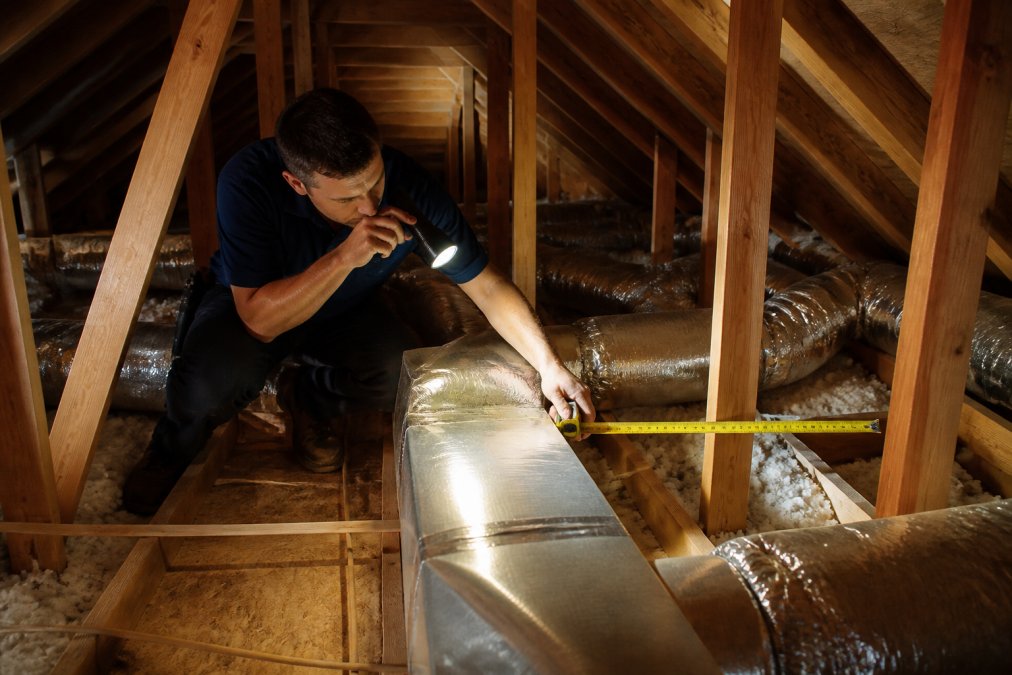
The total length and volume of your ductwork matters more than raw square footage alone. Some homes have sprawling ductwork networks with long runs and complex layouts, while others have compact, efficient systems. A contractor performing an on-site inspection can assess your specific ductwork configuration and provide an accurate estimate based on the actual scope of work.
Number of Vents and Registers
Per-vent pricing is common in the industry, though it often masks the real cost structure. A home with 10 vents might cost significantly less than one with 20 vents, even if the total ductwork length is similar. Some contractors advertise low per-vent rates, but this frequently excludes the main trunk line, return vents, or supply vents that require additional charges.
The distinction between supply vents, return vents, and registers matters. Supply vents push conditioned air into rooms, return vents pull air back to the HVAC system, and registers are the visible grilles you see. Thorough cleaning requires addressing all three, and contractors who quote only the visible registers while excluding returns are setting you up for surprise charges during the job.
System Complexity and Accessibility
Your ductwork's accessibility directly impacts labor costs. If your ducts are easily accessible through an attic or basement, cleaning proceeds faster and costs less. If your ducts run through walls, crawl spaces, or require accessing confined areas, the job becomes more labor-intensive and expensive.
System complexity also matters. Homes with multiple HVAC zones, branch ducts running in different directions, or unusual configurations require more specialized equipment and skilled technicians. A straightforward single-zone system is simpler to clean than a multi-zone setup with separate supply and return networks.
HVAC System Age and Condition
Older HVAC systems sometimes present additional challenges during cleaning. Aging ductwork may be more fragile, requiring gentler cleaning techniques. Some older systems use materials or configurations that demand specialized equipment or extra care to avoid damage.
The current condition of your ducts affects pricing too. Heavily contaminated ducts with significant dust accumulation, microbial growth, or debris require more aggressive agitation tools and longer cleaning times. A system that hasn't been cleaned in a decade will cost more to restore than one cleaned regularly.
Signs You Need Air Duct Cleaning
Not every home needs professional duct cleaning. Understanding when your system actually requires cleaning helps you make an informed decision rather than falling victim to aggressive sales tactics.
Visible Dust and Debris Around Vents
The most obvious sign is visible dust accumulation around your registers and vents. If you can see dust, lint, or debris visibly coating the slats of your return or supply vents, your ductwork is likely carrying similar contamination. This dust eventually circulates through your home, settling on surfaces and affecting indoor air quality.
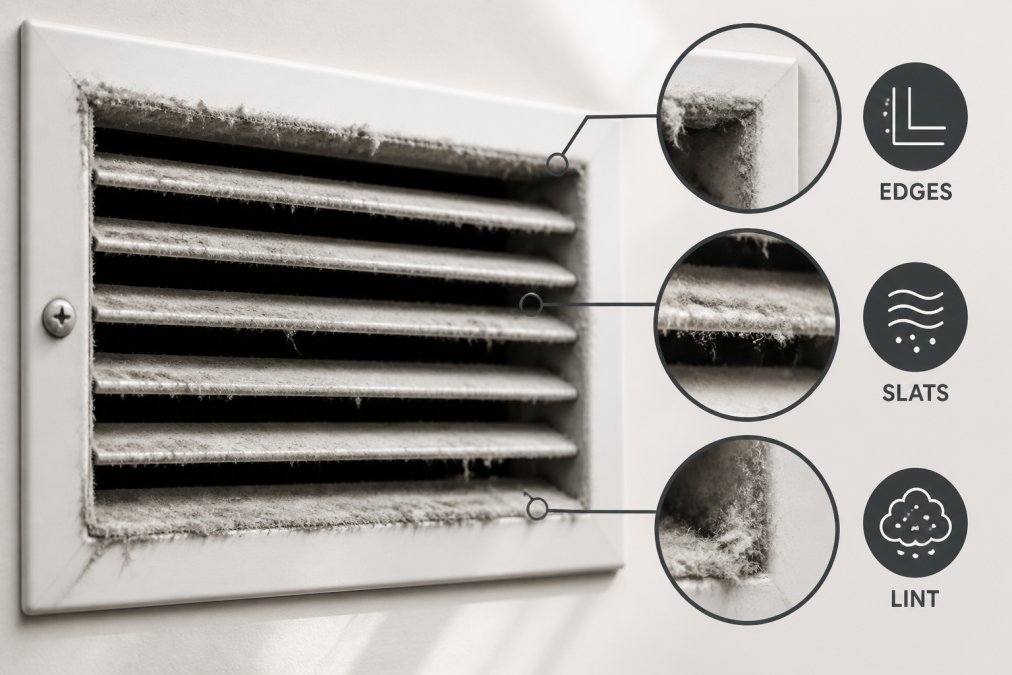
Check your vents regularly by looking directly into the openings. Healthy vents should appear relatively clean. Significant buildup suggests your system needs professional attention.
Mold Growth and Musty Odors
A musty smell coming from your vents is a red flag. This odor often indicates mold remediation is needed within your ductwork, typically caused by moisture accumulation. Mold in ducts poses health risks, particularly for people with allergies or respiratory sensitivities.
Visual mold growth inside accessible ducts or around vent openings is an immediate signal to call a professional. Don't attempt to clean mold yourself, it requires proper decontamination protocols and HEPA-filtered equipment to prevent spore distribution throughout your home.
Increased Allergens and Poor Air Quality
If household members experience worsening allergies or respiratory symptoms, your ductwork might be contributing. Dust, pet dander, pollen, and microbial growth accumulating in ducts circulate allergens continuously. Professional cleaning removes these contaminants, often resulting in noticeable improvements in air quality and reduced allergic reactions.
This is particularly important for homes with pets or in dusty climates where airflow restriction from accumulated debris strains your HVAC system and reduces efficiency.
How Long Does Air Duct Cleaning Take
Professional duct cleaning typically takes between 2 to 4 hours for a standard residential system, though this varies based on your home's size and system complexity. A straightforward single-zone system in a 2,000 square foot home usually falls on the shorter end of this range. Larger homes with multiple zones or complex ductwork configurations may require 4 to 6 hours.
The process itself involves several stages: initial inspection, setting up negative pressure equipment, agitation of ductwork using specialized tools, extraction of debris using HEPA-filtered vacuums, and cleaning of registers, vents, and the blower motor. Each stage takes time, and rushing through any step compromises the quality of the cleaning.
Contractors who quote unusually short timeframes, under 2 hours for a full system, are likely cutting corners. Thorough ductwork integrity assessment and proper agitation of dust accumulation require time. Ask your contractor for a detailed timeline before the job begins.
Air Duct Cleaning Scams to Avoid
The duct cleaning industry has a well-documented problem with deceptive practices. Knowing the common tactics helps you protect yourself and your wallet.
Bait-and-Switch Pricing Tactics
The most prevalent scam starts with an impossibly low advertised price, sometimes $99 or less, that covers only a fraction of your system. The contractor arrives, performs a "free inspection," and suddenly discovers additional services you "need": return vents that weren't included in the quote, main trunk line cleaning, dryer vent cleaning, or antimicrobial treatments.
By the time you've agreed to these add-ons, your bill has tripled. The original quote was designed to get someone in the door, not to represent the actual cost of the job.
Protect yourself by getting a detailed, written estimate before work begins. Specify exactly which vents, ducts, and components are included. If a contractor discovers additional work needed during the job, get a separate written quote before proceeding.
Unverified Contractor Credentials
Not all duct cleaning contractors follow industry standards. Look for contractors trained to NADCA standards, the National Air Duct Cleaners Association establishes rigorous cleaning protocols. Contractors who mention NADCA certification or training demonstrate commitment to proper procedures.
Verify licensing and insurance before hiring. A contractor who can't provide proof of valid licensing or current liability insurance is a significant risk. Ask for references from recent jobs and follow up with them. A reputable contractor welcomes verification and has satisfied customers willing to vouch for their work.
Call (702) 707-4242 for a free estimate →
Pressure to Add Unnecessary Services
Aggressive upselling during the job is another red flag. Contractors who pressure you to add antimicrobial treatments, air purifier installation, or other services "right now" or claim your system is in critical condition are using high-pressure sales tactics.
Legitimate contractors explain findings clearly and let you decide whether additional services make sense for your situation. They don't create artificial urgency or claim catastrophic consequences if you don't immediately agree to extra charges.
Benefits of Professional Duct Cleaning
When performed properly by qualified contractors, professional duct cleaning delivers real benefits that justify the investment.
Improved Indoor Air Quality and Allergen Reduction
Clean ductwork circulates fewer contaminants throughout your home. Dust, pet dander, pollen, and microbial particles that accumulate in dirty ducts are removed, resulting in noticeably cleaner air. For families with allergies or asthma, this improvement often translates to reduced symptoms and fewer respiratory issues.
The allergen reduction is particularly significant in homes where occupants have noticed worsening allergies or unexplained respiratory problems. Professional cleaning removes the source of these contaminants rather than just filtering them repeatedly.
Enhanced HVAC System Efficiency
When dust and debris accumulate in ductwork, they restrict airflow. Your blower motor works harder to push conditioned air through clogged ducts, consuming more energy and reducing system efficiency. Clean ducts allow air to flow freely, reducing strain on your HVAC system and lowering energy consumption.
This efficiency improvement translates to lower utility bills and extends the operational life of your equipment. Your system doesn't have to work as hard to maintain desired temperatures, reducing wear on the blower motor and other components.
Extended Equipment Life and Reduced Breakdowns
A cleaner HVAC system experiences fewer breakdowns. When your blower motor doesn't have to fight against airflow restriction, it operates more efficiently and lasts longer. Coil cleaning, often included in comprehensive duct cleaning, prevents microbial growth that can damage these expensive components.
Regular professional duct cleaning as part of your maintenance schedule helps avoid costly emergency repairs and extends the overall lifespan of your heating and cooling equipment.
Post-Cleaning Maintenance Schedule
Professional cleaning isn't a one-time fix. Establishing a maintenance schedule keeps your system clean and prevents rapid re-contamination.
Most homeowners benefit from professional duct cleaning every 3 to 5 years, though this varies based on your specific circumstances. Homes with pets, smokers, or high dust environments may need cleaning more frequently, every 2 to 3 years. Homes with minimal dust generation and no pets might go longer between cleanings.
Between professional cleanings, maintain your system by changing HVAC filters regularly, typically every 1 to 3 months depending on filter type and household conditions. Clogged filters reduce airflow efficiency and allow dust to accumulate faster in your ductwork.
Have your HVAC system inspected annually by a qualified contractor. During these inspections, they can assess ductwork condition and recommend cleaning if needed. This proactive approach prevents problems from developing and keeps your system operating at peak efficiency.
Getting an Accurate Service Quote
Requesting quotes from multiple contractors is essential, but comparing prices requires understanding what each quote actually includes.
Request on-site inspections from at least three contractors. A thorough inspection involves physically examining your ductwork, accessing your attic, basement, or crawl spaces to assess the actual scope of work. Contractors who quote over the phone without inspecting your system are guessing, not quoting.
During the inspection, ask the contractor to explain what's included in their quote. Does it cover all supply vents and return vents, or just visible registers? Does it include the main trunk line? Will they clean the blower motor and coils? Are there additional charges for antimicrobial treatment or dryer vent cleaning?
Request a written estimate that itemizes each component being cleaned and any additional services. This prevents misunderstandings and gives you a clear basis for comparison. Be wary of quotes that seem unusually low, they typically indicate missing components or hidden charges that will appear when the work begins.
Ask about the equipment and methods they'll use. Reputable contractors use truck-mounted vacuums with HEPA filtration, negative pressure systems, and appropriate agitation tools. They should explain their process and answer questions about how they'll protect your home during cleaning.
At RTS Comfort Cooling & Heating, we provide detailed on-site inspections and transparent, written estimates before any work begins. Our team explains exactly what's included and answers your questions about the cleaning process. We focus on the actual scope of your ductwork rather than inflated per-vent pricing that hides the true cost.
Professional duct cleaning is a legitimate investment in your home's indoor air quality and HVAC system efficiency. The key is working with a qualified contractor who provides transparent pricing, follows industry standards, and explains their work clearly. If you're concerned about your ductwork condition or want a professional assessment of whether cleaning is needed, call RTS Comfort Cooling & Heating at (702) 707-4242 for a free estimate. Our experienced team can inspect your system, explain your options, and provide honest recommendations based on your home's specific needs.
Frequently Asked Questions
What is the average cost to clean air ducts?
The cost of professional duct cleaning varies based on home size, system complexity, and accessibility. Pricing depends on the number of vents, registers, supply and return ducts, and whether your HVAC system requires additional work like coil cleaning. Rather than guessing, contact RTS Comfort Cooling & Heating for a free estimate tailored to your specific system and home size.
How often do you really need to clean your air ducts?
The frequency depends on your household and HVAC system condition. Homes with pets, smokers, or family members with allergies may benefit from cleaning every 3-5 years. Systems in dusty environments or with visible mold may need more frequent attention. A professional inspection can determine if your ducts need cleaning now and establish a maintenance schedule for your home.
Is it worth the money to have your ducts cleaned?
Professional duct cleaning can improve indoor air quality by removing dust, allergens, and mold from your HVAC system. It may also enhance airflow and system efficiency, potentially reducing energy costs. However, the value depends on your current air quality concerns and system condition. RTS Comfort Cooling & Heating can assess your ducts and explain whether cleaning will benefit your home and family.
What should be included in a professional duct cleaning service?
A thorough professional duct cleaning should include cleaning all supply vents, return vents, main trunk lines, registers, and the blower motor housing. The technician should use proper equipment like HEPA vacuums and agitation tools to remove dust and debris. Before and after inspection, protective coverings for your home, and proper disposal of collected materials are also important. Ask your contractor to explain their process and what areas they'll clean.
This article was written using GrandRanker