 listicle
Best Air Filters for Homes After Duct Cleaning
Last Updated: November 7, 2026
Quick Summary
Choose air filters rated MERV 8 for most homes, MERV 11 for allergy households or newer systems, and MERV 13 only if your blower is rated for the added pressure drop. Install a new filter the same day your ducts are cleaned, then inspect it at 30 days and set a 60-to-90-day replacement schedule.
- MERV 8 captures dust and pollen with minimal airflow impact and suits older systems.
- A 1-inch filter slot cannot accept a 4-inch media filter without a cabinet change.
- Install the filter with the airflow arrow pointing toward the blower and mark the date.
- Thick 4-inch or 5-inch media filters typically last 6 to 12 months.
- Ceiling vent filters restrict airflow and rarely replace a properly sized system filter.
Table of Contents
- Why the Right Filter Matters Right After Duct Cleaning
- The HVAC Filter MERV Rating That Fits Most Homes
- Filter Picks Compared: Pleated Filters, Purifiers, and What Each Is For
- Home Air Filter Replacement: Sizing, Fit, and the Post-Cleaning Schedule
- Best Air Filter for Home 20x20x1 Systems and Other Common Sizes
- Ceiling Air Vent Filters: When They Help and When They Hurt
- Balancing Particle Capture With Airflow and Long-Term Cost
- Book a Filter and Duct Inspection With RTS Comfort Cooling & Heating
- Frequently Asked Questions
Why the Right Filter Matters Right After Duct Cleaning
Duct cleaning removes years of settled debris, but it does not keep that debris from coming back. The air filters in your HVAC system decide how quickly dust, pollen, and pet dander return to the air you breathe. Choosing the best air filters for homes after duct cleaning is the step that makes the cleaning last.
A clogged, ill-fitting filter that is never replaced can undo much of the work of a duct cleaning.
The HVAC Filter MERV Rating That Fits Most Homes
MERV 8 is the rating that fits most homes, because it captures common household particles while keeping airflow close to unrestricted.
Higher MERV ratings capture smaller particles but add airflow resistance, that trade-off is the whole game.
For post-cleaning replacement, three tiers are commonly considered:
- MERV 8: basic dust and pollen capture, minimal airflow impact, the safest default for older systems
- MERV 11: better capture of fine dust and pet dander, still comfortable for most residential blowers
- MERV 13: strong particle capture, but only if your system is rated for the added pressure drop
If you want a deeper breakdown of filter options built for dusty conditions and allergy season, our guide to the best HVAC filters for desert dust and allergens covers models and ratings in more detail.
MERV 8, MERV 11, and MERV 13 Compared
Three ratings cover most homes. Here is how they stack up.
| Rating | Captures | Airflow Impact | Best For |
|---|---|---|---|
| MERV 8 | Dust, pollen, lint | Low | Most homes, older systems |
| MERV 11 | Fine dust, pet dander, mold spores | Moderate | Allergy households, newer systems |
| MERV 13 | Bacteria, smoke, fine particles | Higher | Systems rated for it, smoke-prone areas |
A common mistake is jumping to the highest MERV number on the shelf. A filter that chokes airflow makes your blower work harder and can shorten equipment life. Match the rating to your system, not the boldest number on the box.
Filter Picks Compared: Pleated Filters, Purifiers, and What Each Is For
The right pick depends on what you are solving for and what your system can accept. A pleated HVAC filter protects your whole system; a standalone air purifier adds particle removal in a single room. The best setups use both, but only after the system filter is matched to the equipment.
Match the Filter Type to Your System Constraints
Before comparing brands, confirm four things about your system:
- Filter-slot dimensions. The size on the old filter frame (e.g., 16x25x1) and cabinet depth. A 1-inch slot cannot take a 4-inch media filter without a cabinet change.
- Blower MERV ceiling. The manual or spec sheet states the maximum MERV the blower is rated for. Exceeding it raises static pressure and can shorten blower motor life.
- Airflow demand. Long duct runs, many registers, or variable-speed blowers tolerate restrictive filters less than short-run systems.
Pleated HVAC Filters: What to Compare Beyond the MERV Number
Pleated filters are the workhorse choice for post-cleaning replacement. Compare them on four axes:
- MERV rating versus system ceiling. Stay at or below the blower's rated maximum. MERV 8 suits older systems; MERV 11 most newer residential systems; MERV 13 only where rated.
- Pleat count and media depth. More pleats in the same frame means more surface area, lower pressure drop, and longer life.
- Frame rigidity. Flimsy frames bend and let air bypass the media. A rigid, snug-seating frame beats an extra MERV point.
Best for: replacing the system filter right after duct cleaning with a pleated option suited to dust. Skip if: your system's manual specifies a lower MERV ceiling, or your slot is a nonstandard size that forces a custom order.
Watch out: a filter that does not fit snugly lets air slip past the edges, and unfiltered air carries dust straight back into clean ducts. Measure before you order.
Thick Media Filters and High-MERV Panels: When They Pay Off
A 4-inch or 5-inch media filter holds more dust and lasts longer between changes, lowering annual cost and clog risk. The trade-off: it needs a deep enough cabinet, and higher-MERV versions can exceed a blower's rated static pressure.
High-MERV panels (MERV 13+) make sense for smoke-prone areas, severe allergy households, or systems rated for the added pressure drop. For most homes, a clean MERV 11 changed on schedule outperforms a clogged MERV 13, and costs less over a year.
Standalone Air Purifiers: A Supplement, Not a Substitute
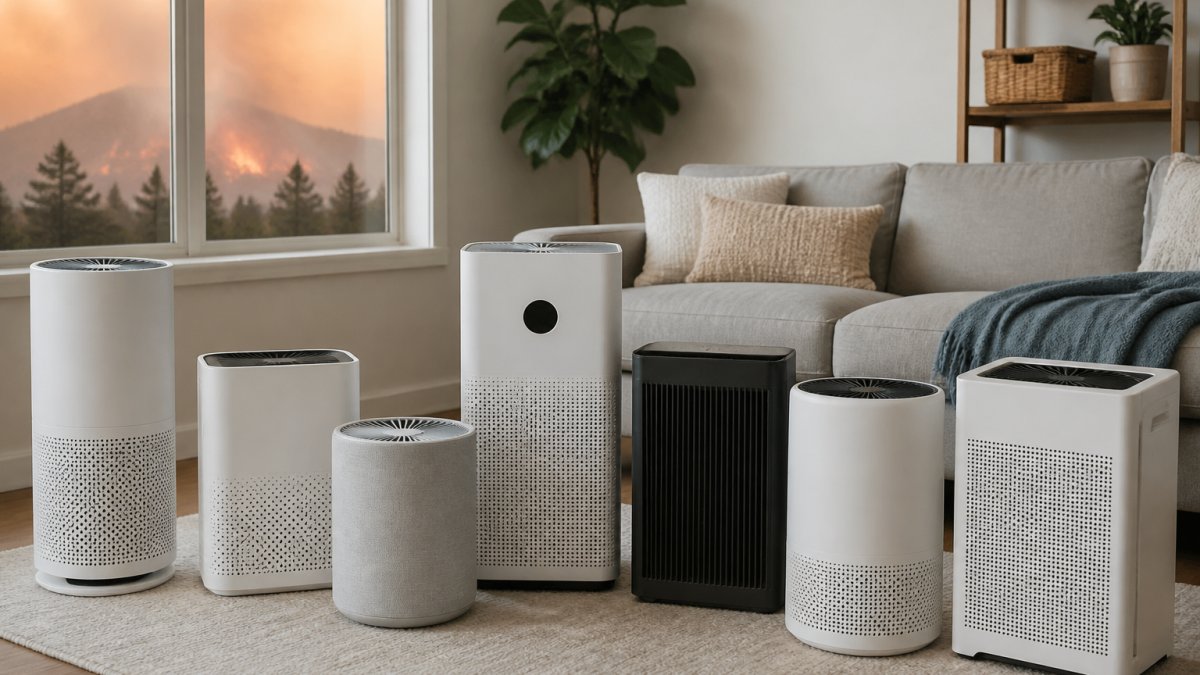
Standalone purifiers supplement your HVAC filter, they do not replace it or clean ducts.
- Levoit Elevate 300X: named a top pick by HouseFresh's air purifier testing, which reports testing nearly 40 small purifiers and found this model cleaned its test space quickly at top speed.
- Coway Airmega Mighty2: Wirecutter's air purifier review names it the new top pick following fresh testing.
- Coway Airmega 450: CNET's air purifier guide calls it the best overall pick and reports strong particle-removal results.
Compare purifiers on room coverage (square footage at rated CADR), annual filter replacement cost, and noise at the speed you will actually run.
If wildfire smoke or heavy allergen loads are your concern, our roundup of the best air purifiers for wildfire smoke goes deeper on room coverage and filter types.
Total Cost Over Time: A Simple Way to Compare
Shelf price is the least useful number. Compare annual cost: purchase price divided by replacement interval, plus any airflow penalty on your energy bill. A filter that costs more up front but lasts twice as long often wins.
Home Air Filter Replacement: Sizing, Fit, and the Post-Cleaning Schedule
Home air filter replacement starts with the exact dimensions printed on the old filter's frame, followed by a snug fit and a replacement schedule tied to your home's dust load. But after a duct cleaning, the schedule needs a deliberate reset, not just a new filter dropped into the same old routine.
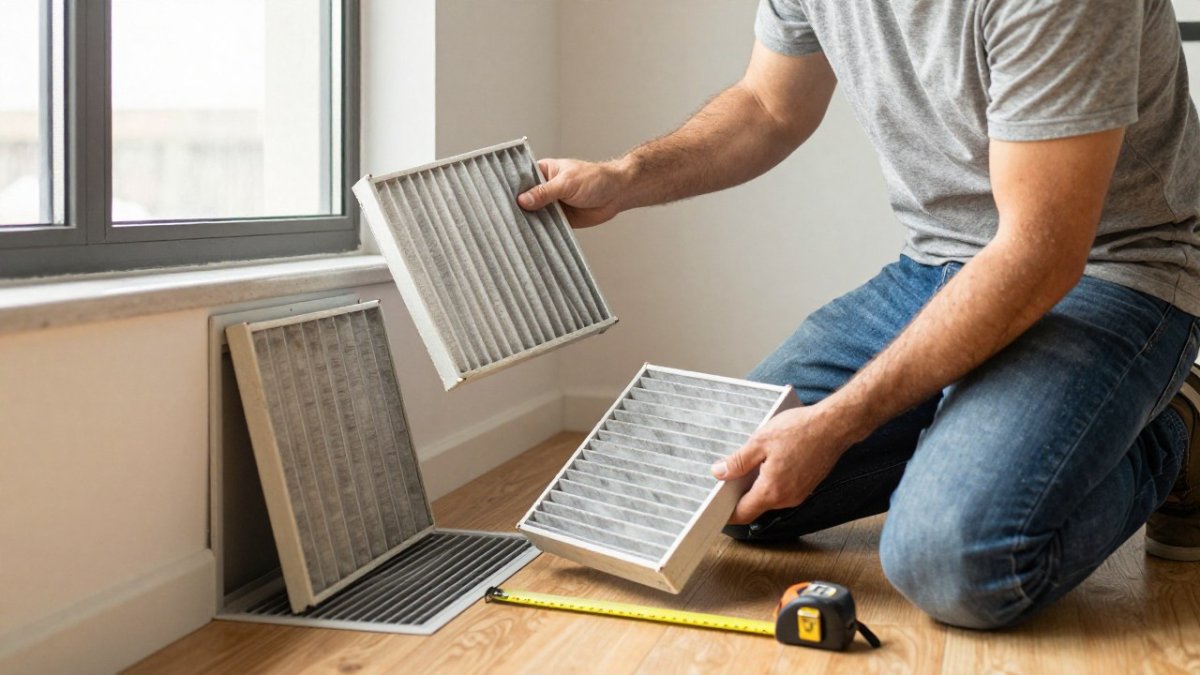
Replace the Filter Immediately After Cleaning, Here's Why
Installing a new filter the same day the ducts are cleaned is a common practice. Duct cleaning loosens settled debris, and the first hours of operation pull that residual dust toward the blower. A fresh filter catches it before it redeposits on the coil, in the plenum, or back on the duct surfaces just cleaned.
Follow this sequence after a duct cleaning:
- Read the size off the old filter frame, for example 20x20x1 inches, and confirm it against the return grille opening.
- Note the thickness. A 1-inch slot will not accept a 4-inch media filter without modification.
- Check your system manual for the maximum MERV rating the blower is rated to handle.
- Install the filter with the airflow arrow pointing toward the blower.
- Mark the install date on the frame edge with a marker.
- Inspect at 30 days, then set your normal 60-to-90-day interval based on what you see.
How to Verify the Cleaning Worked and Manage Residual Dust
A duct cleaning is not necessarily finished when the work ends. The first few weeks can show whether the results held. Consider these checks:
- Look at the supply registers. Remove a few grilles and shine a light inside. Clean ducts show bare metal or lined interior with no dust mat. Heavy dust still clinging may warrant a follow-up with the contractor who performed the work.
- Watch the return grille. A light film in the first week is normal as residual particles migrate. Thick accumulation within days suggests a missed section or a bypassing filter.
- Check the new filter at 30 days. Uniform gray means it is working. Gray only at the edges with a clean center means air is slipping around the frame, reseat or replace with the correct size.
Watch out: a sudden increase in dust from supply registers right after cleaning is normal for a short period. Persistent blow-out after two weeks may warrant a follow-up with the contractor who performed the cleaning.
Set the Post-Cleaning Replacement Schedule
A practical schedule for most homes is often considered:
- First filter after cleaning: inspect at 30 days; replace if visibly loaded.
- Standard pleated 1-inch filters: every 60 to 90 days.
- Thick 4-inch or 5-inch media filters: every 6 to 12 months, per the manufacturer's rating.
Write the install date on the frame edge every time. A filter changed on a calendar rather than on a guess is the cheapest way to protect the cleaning you just paid for.
Best Air Filter for Home 20x20x1 Systems and Other Common Sizes
For a 20x20x1 return grille, a pleated MERV 11 panel that fits the slot snugly and is replaced on schedule is one common choice.
Common residential sizes include 16x20x1, 20x20x1, 20x25x1, and 16x25x1, plus thicker 4-inch and 5-inch media filters for systems built around them.
Two general rules for homeowners:
- Never force a filter that binds. A jammed filter bends the frame and lets air bypass the media.
- Buy the same size every time. Substituting a nearby size creates gaps at the edges.
If your vents feel weak after installing a higher-MERV filter, airflow is the likely culprit. Our guide on how to fix weak airflow from vents walks through the fast checks.
Ceiling Air Vent Filters: When They Help and When They Hurt
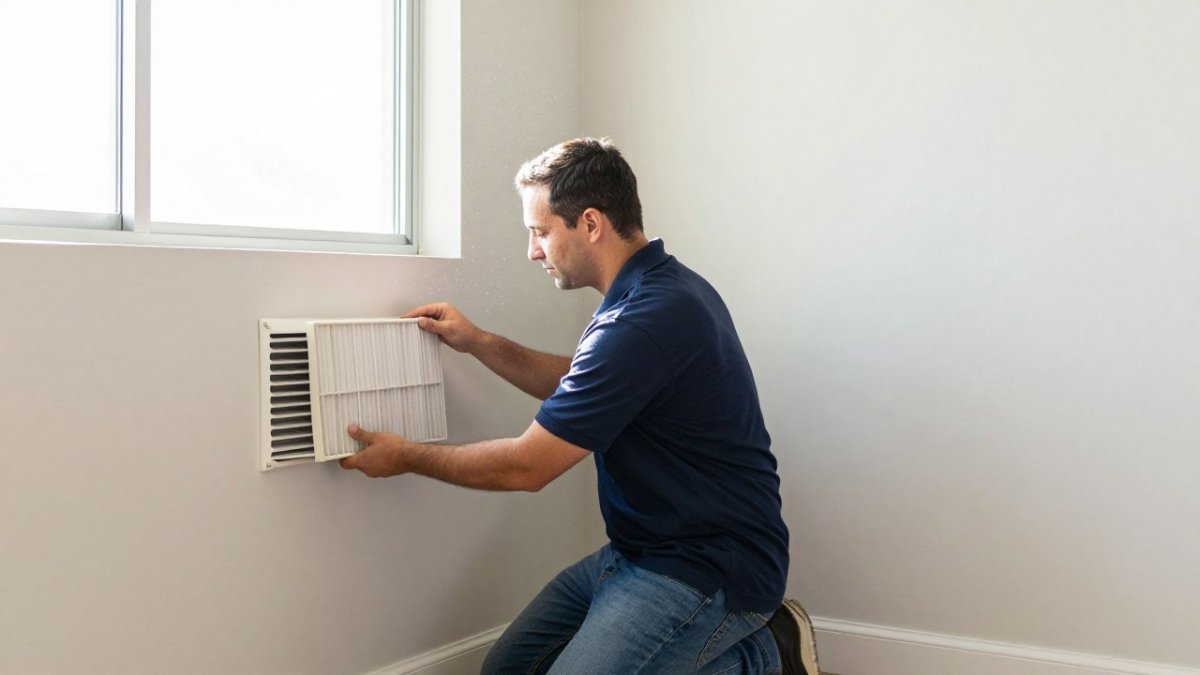
Ceiling air vent filters help in a narrow set of cases and hurt in most others.
They can reduce visible dust from a single register in a room you are renovating, or catch lint near a return in a pet-heavy home.
Where they go wrong: a pad over a supply vent restricts airflow into the room, and a pad over the main return can starve the system.
Balancing Particle Capture With Airflow and Long-Term Cost
The best filter is the one that captures the most particles your system can tolerate without choking airflow.
Higher-MERV filters capture more but load faster and cost more per change. A restrictive filter makes the blower run harder, raising energy bills and wearing the motor.
A general rule of thumb is to choose the highest MERV your system is rated for, then replace on schedule rather than stretching intervals to save money.
Old ductwork complicates this picture. If your ducts are aged or leaky, read our guide on old ductwork and energy efficiency to see whether cleaning alone is enough.
Book a Filter and Duct Inspection With RTS Comfort Cooling & Heating
Getting the filter right after a duct cleaning is a system question, not a shelf question. The rating, size, fit, and schedule all have to match your equipment, guessing wrong wastes the cleaning you paid for.
RTS Comfort Cooling & Heating offers duct cleaning, indoor air quality services, and HVAC installation, with 24/7 emergency service. Pricing and scope depend on your system, so contact the team for a quote on a filter and duct inspection. Call (702) 707-4242 for a free estimate, or book a filter and duct inspection with our team.
Your ducts are clean right now. The filter you install this week decides whether they stay that way. Let RTS Comfort Cooling & Heating verify your system's compatibility, recommend the right MERV rating, and keep your indoor air quality on track with duct cleaning, air purification guidance, and 24/7 emergency service.
Frequently Asked Questions
Should I replace my HVAC filter right after duct cleaning?
Yes. Duct cleaning loosens dust and debris that can settle back into the system, and a fresh filter catches those particles before they recirculate. A new pleated filter installed the same day the cleaning is finished is a common approach, and checking it after two to four weeks is a reasonable step. If it looks heavily loaded, replace it again. After that, return to a normal schedule of every 60 to 90 days, or sooner in homes with pets or heavy dust.
Which MERV rating is best for a home HVAC system?
Most homes do well with MERV 8 to MERV 13. MERV 8 is the common choice and handles dust and pollen. MERV 11 and MERV 13 capture more fine particles, including pet dander and mold spores, which helps after duct cleaning. Before moving up, confirm your system's blower can handle the higher pressure drop. A filter that is too restrictive can reduce airflow and strain the equipment.
Can a high-MERV filter restrict airflow in my HVAC system?
It can. Higher MERV ratings capture smaller particles by using denser media, which increases pressure drop across the filter. In an older system or one with a marginal blower, that added resistance can lower airflow, raise energy use, and shorten equipment life. Check the manufacturer's recommended maximum MERV rating, and if you want better filtration without the airflow penalty, ask about a media cabinet or a thicker filter with more surface area.
How often should I change my home air filter?
A common guideline is every 60 to 90 days for a standard 1-inch pleated filter. Homes with pets, allergy sufferers, or heavy dust should check monthly and replace as needed. Thicker 4- to 5-inch media filters often last six to twelve months. After duct cleaning, start with a new filter and inspect it at the two- to four-week mark, since residual dust can load it faster than usual.
Do ceiling air vent filters actually help indoor air quality?
They are rarely the right fix. Register or vent filters sit at the supply grille and add resistance right where conditioned air enters the room, which can cut airflow and push dust back into the ducts. The filter at the return grille or air handler does the real work. If you want extra particle capture after duct cleaning, upgrade the main filter or add a standalone purifier instead of blocking supply vents.