 how-to
Emergency AC Repair 24/7: What to Do When Your System Fails
Table of Contents
- What Counts as an AC Emergency
- How to Troubleshoot AC Not Cooling Before You Call
- Signs Your AC Needs Emergency Repair Right Now
- What to Do During an AC Breakdown
- Understanding Emergency HVAC Repair Cost
- Why 24/7 Emergency AC Repair Matters in Summer
- Conclusion
Last Updated: August 14, 2026
What Counts as an AC Emergency
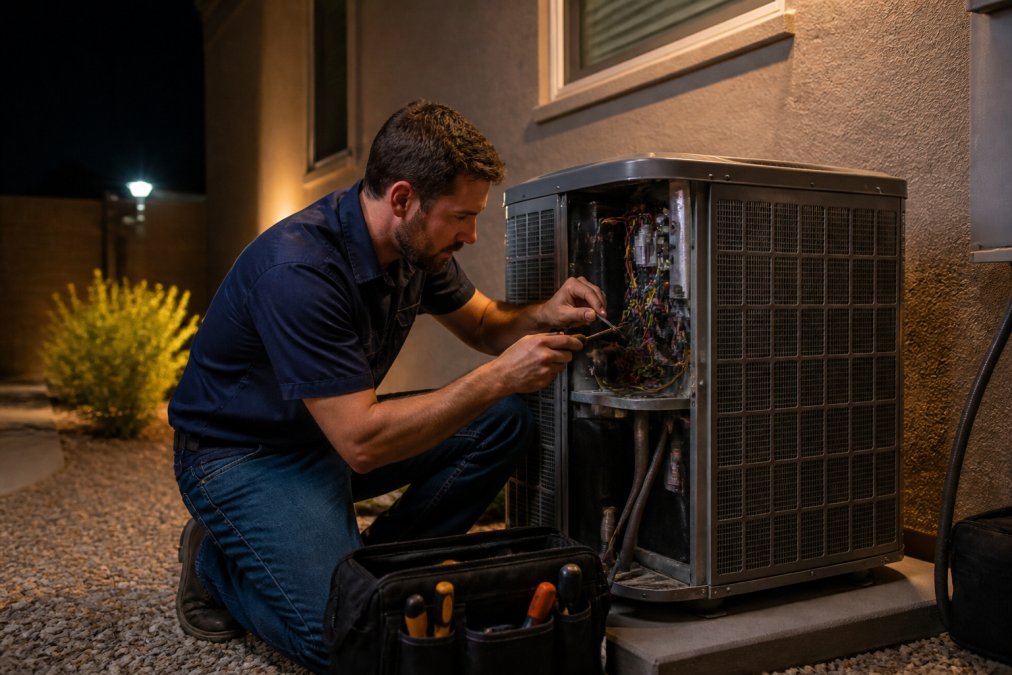
An AC emergency isn't just any broken cooling system. It's when your air conditioning fails during peak heat and you genuinely cannot function without immediate repair. In summer heat waves, temperatures can spike to dangerous levels inside your home within hours, creating a genuine health risk. An emergency AC repair situation typically involves complete system failure, refrigerant leaks that prevent cooling, or compressor breakdowns that leave you without any cold air at all.
The distinction matters because not every cooling problem requires 24/7 service. A thermostat malfunction that you can work around temporarily isn't an emergency. A minor airflow issue that reduces comfort but doesn't eliminate cooling isn't an emergency. But if your system stops producing cold air entirely, or if you're in the middle of a heatwave with no backup plan, that's when you need immediate help.
RTS Comfort Cooling & Heating defines emergencies as situations where your home's temperature becomes unsafe or unbearable within hours. This includes total system failure, refrigerant leaks that worsen rapidly, compressor failure, or electrical issues that shut down your entire HVAC system. These situations demand rapid response because the consequences escalate quickly. Your home temperature can climb 10-15 degrees in just a few hours during extreme heat, which poses real risks to elderly family members, young children, and anyone with heat-sensitive health conditions.
The key question isn't whether something is technically broken. It's whether waiting until Monday morning puts your family at risk or makes your home genuinely uninhabitable. If the answer is yes, that's an emergency.
How to Troubleshoot AC Not Cooling Before You Call
Before you dial for emergency AC repair, spend 10-15 minutes checking the most common issues yourself. Many cooling failures have simple fixes that take minutes, and identifying the actual problem helps the technician respond faster when you do call.
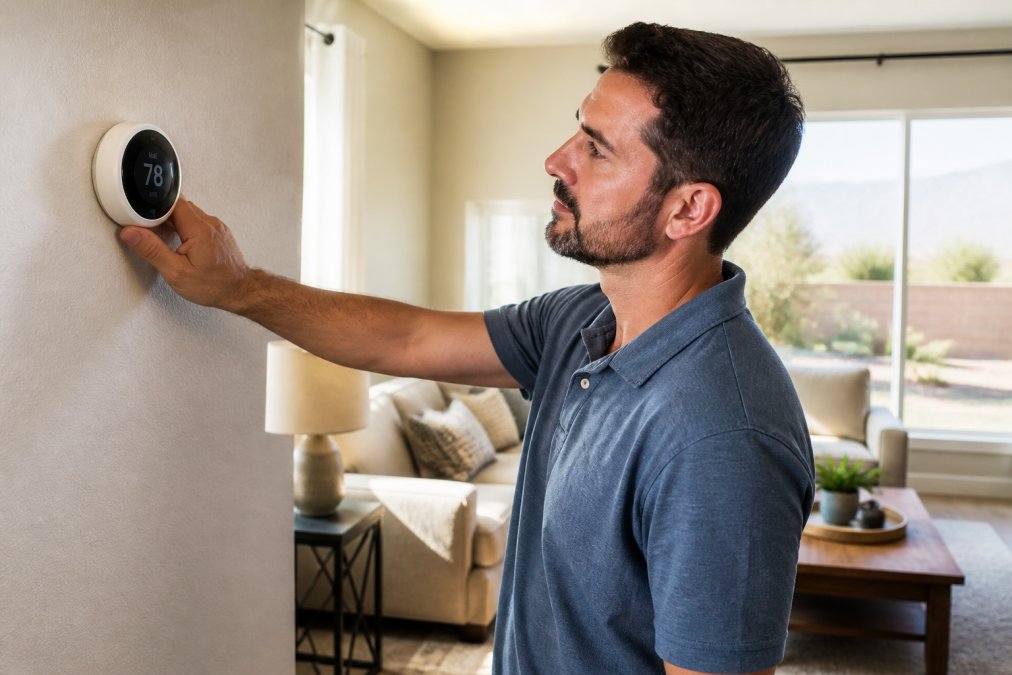
Start with your thermostat. Check that it's set to cooling mode, not heating or fan-only. Verify the temperature setting is actually lower than your current room temperature. This sounds obvious, but it's the number-one reason service calls turn out to be false alarms. If someone recently adjusted your thermostat or you have a programmable unit, confirm the settings match what you intended. A thermostat malfunction can sometimes be reset by switching modes off and back on.
Next, check your air filter. A completely clogged filter restricts airflow so severely that your system can't cool properly. Walk to your furnace or air handler and locate the filter. If it's dark gray or black instead of white, that's your problem. Swap in a fresh filter and give your system 15 minutes to recover. This single step fixes more "broken" cooling systems than any other troubleshooting step.
Look at your outdoor condenser unit. Walk outside and inspect the metal box containing your condenser coil. Is it clogged with leaves, dirt, or debris? Restricted airflow around the condenser prevents heat from escaping your refrigerant, which stops the cooling cycle. If you see obvious blockage, turn off your system, clear away the debris by hand, and restart. Never use a pressure washer on the delicate fins.
Check your circuit breaker or disconnect switch. Your AC system has an electrical disconnect near the outdoor unit that looks like a box or switch. If it's been switched off, your system won't run. Also check your home's main electrical panel for a tripped breaker labeled for AC or HVAC. A tripped breaker can indicate an electrical fault that needs professional diagnosis, but resetting it temporarily might restore cooling while you wait for service.
Listen to your system when it runs. A completely silent outdoor unit suggests an electrical problem. Unusual grinding or squealing sounds suggest mechanical failure. If your indoor blower is running but the outdoor unit is silent, you likely have a compressor failure or electrical issue requiring professional repair.
If none of these steps restore cooling, document what you've checked. Tell the technician what you found. This information helps them diagnose the actual problem faster, which means you get your emergency AC repair completed sooner.
Signs Your AC Needs Emergency Repair Right Now
Certain warning signs indicate your system needs professional attention immediately, not eventually. Recognizing these prevents minor problems from becoming catastrophic failures during peak summer heat.
Complete loss of cooling is the most obvious sign. If your system runs but produces warm air instead of cold, you likely have a refrigerant leak or compressor failure. Both require professional diagnosis and repair. Don't delay on this one.
Strange noises from your outdoor unit suggest mechanical failure. A grinding sound indicates bearing wear or internal component damage. A squealing noise often points to belt or motor issues. These problems worsen over time and can lead to complete system failure. Schedule service the same day you hear them.
Visible refrigerant leaks around your outdoor unit are serious. Refrigerant is essential for cooling. Even small leaks prevent your system from reaching proper cooling capacity. More importantly, refrigerant leaks indicate a problem with your coil, compressor, or line connections that needs professional repair. Never ignore puddles or oily residue around your AC unit.
Electrical issues like burning smells, sparks, or repeated breaker trips mean your system has an electrical fault. These are safety hazards. Turn off your system immediately and call for emergency service. Don't attempt to restart it repeatedly.
Compressor failure is one of the most expensive emergency repairs. Signs include the outdoor unit not running at all despite the indoor blower working, or the system making loud clicking or knocking sounds before shutting down. The compressor is the heart of your cooling system. When it fails, your entire system stops cooling.
Evaporator coil problems often show up as reduced cooling capacity despite the system running normally. You might notice ice forming on refrigerant lines or the indoor air handler. This indicates the evaporator coil isn't functioning properly, which prevents your system from absorbing heat from your home.
Air handler failure means your indoor blower isn't circulating cool air through your ducts. You might hear the outdoor unit running but feel no air coming from your vents. This stops your entire climate control system.
Any of these situations warrants calling for emergency AC repair immediately. Waiting creates discomfort and risk, especially during heatwaves when indoor temperatures climb rapidly.
What to Do During an AC Breakdown
When your AC fails during a heatwave, immediate action keeps your home safer while you wait for the repair technician to arrive. These steps help manage temperature and protect your family.
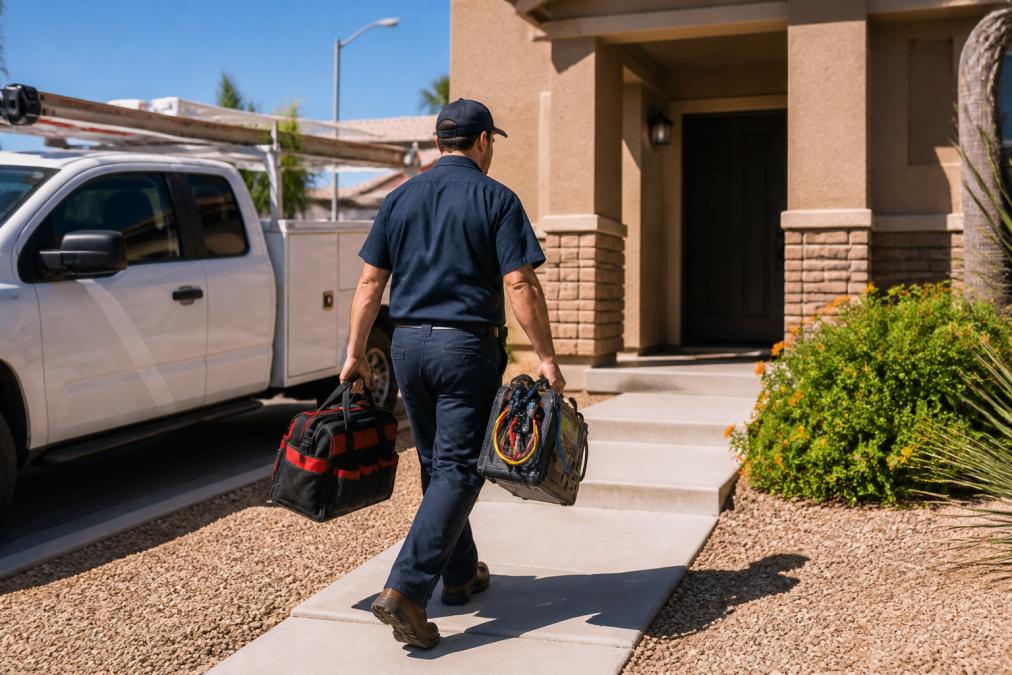
Call for emergency service immediately. RTS Comfort Cooling & Heating offers 24/7 emergency dispatch, which means you're not waiting until business hours for help. When you call, describe what you've already troubleshot. Tell them whether your system is completely silent, running but not cooling, making strange noises, or showing visible leaks. This information helps them prioritize your call and dispatch the right technician.
Close off unnecessary rooms. Your air conditioning system cools your entire home. If your system is compromised, focus on cooling the rooms where people actually are. Close doors to unused bedrooms, bathrooms, and living spaces. This concentrates whatever cooling capacity you have left into occupied areas.
Open windows strategically. Early morning and evening, outdoor temperatures drop below indoor temperatures. Open windows on the shaded side of your home to create cross-ventilation. This pulls cooler outside air through your home. Close windows during the hottest parts of the day to trap cooler air inside.
Call (702) 707-4242 for a free estimate →
Use fans effectively. Ceiling fans and portable fans don't lower temperature, but they create air circulation that makes people feel cooler. Position a box fan in a window to pull outside air into your home. Point ceiling fans downward to push cool air down into living spaces.
Reduce heat generation inside. Turn off unnecessary lights, especially incandescent bulbs. Avoid using your oven or stove. These appliances generate heat that makes cooling harder. Use a microwave or eat cold meals instead.
Stay hydrated and monitor vulnerable people. Heat exhaustion and heat stroke are real risks during extended AC failure. Drink water constantly, even if you don't feel thirsty. Check on elderly family members, young children, and anyone with heat-sensitive health conditions every few hours. If someone shows signs of heat exhaustion (dizziness, nausea, excessive sweating, weakness), move them to the coolest part of your home, have them drink water, and call 911 if symptoms worsen.
Know the expected response time. When you call for emergency AC repair, ask how long before the technician arrives. Many emergency services promise rapid dispatch, but actual arrival depends on current call volume. Understanding the timeline helps you plan cooling strategies.
Prepare information for the technician. Write down what you've already checked and what you observed. Note any unusual sounds, smells, or behavior from your system. This documentation helps the technician diagnose the problem faster.
Consider temporary cooling alternatives. If the wait is extended, a portable air conditioning unit or even a window unit from another room can provide temporary cooling in one space. Hotels and motels sometimes offer emergency shelter during extreme heat events, which is worth considering if your home becomes genuinely unsafe.
Understanding Emergency HVAC Repair Cost
Cost is a legitimate concern when facing emergency AC repair cost during a heatwave. Emergency service carries premium pricing because technicians are responding outside normal business hours, often at night or on weekends. Understanding what drives emergency pricing helps you make informed decisions about when to call.
Emergency service premiums exist because technicians must be available 24/7. They maintain on-call schedules, carry equipment in vehicles constantly, and interrupt personal time to respond to calls. This infrastructure costs money, and those costs get passed to customers who need after-hours service.
The actual repair cost depends entirely on what's broken. A simple thermostat replacement costs far less than a compressor failure. A refrigerant leak might require recharging and locating the leak source. An evaporator coil replacement is more expensive than fixing an air handler motor. Without diagnosing the specific problem, no technician can quote an accurate price.
RTS Comfort Cooling & Heating provides free estimates for emergency repairs. When you call, ask about diagnostic fees and what's included. Some services charge for the service call itself, while others apply that fee toward the repair cost if you proceed. Understanding these details before committing helps you budget appropriately.
Many emergency repair situations involve trade-offs. You can wait until Monday morning for standard pricing, but risk your home becoming dangerously hot. You can call for immediate emergency service and pay premium rates for after-hours response. The decision depends on your specific situation, your family's vulnerability to heat, and your financial circumstances.
Don't let cost concerns prevent you from calling if your home is genuinely unsafe. Heat-related illness is a serious health risk. Your family's safety matters more than saving money on service calls. However, if the situation is uncomfortable but not dangerous, waiting for standard business hours service might be reasonable.
Ask about financing options when you call. Some HVAC contractors offer payment plans for larger repairs, which can make emergency service more affordable. Also ask whether your homeowner's insurance covers emergency HVAC repairs, though most policies don't.
Why 24/7 Emergency AC Repair Matters in Summer
Summer heat creates unique challenges for air conditioning systems. Peak demand periods stress equipment that's been sitting idle since spring. When temperatures spike, everyone's system works overtime simultaneously, which increases failure rates across the entire region.
A broken cooling system during summer isn't an inconvenience. It's a genuine safety issue. Indoor temperatures climb rapidly when outside heat is extreme. Vulnerable populations, elderly people, young children, and anyone with respiratory conditions, face real health risks from extended exposure to extreme indoor heat.
Energy efficiency becomes critical during heatwaves. When your system fails, you lose the ability to manage indoor climate. This creates cascading problems. Your home becomes uninhabitable. Your family's health is at risk. The longer you wait for repair, the worse these problems become.
This is why emergency AC repair services exist. They acknowledge that some HVAC failures can't wait for Monday morning. A technician arriving at 2 AM might seem expensive, but it prevents your home from becoming dangerously hot. It protects your family. It restores your climate control when you need it most.
RTS Comfort Cooling & Heating maintains 24/7 availability specifically because summer emergencies don't follow business hours. When your system fails at midnight during a heatwave, you need help immediately, not in 12 hours. Emergency service availability is the difference between a manageable problem and a genuine crisis.
The value of 24/7 emergency service extends beyond the repair itself. It's peace of mind knowing that if your system fails, help is available immediately. It's the ability to protect your family from heat-related illness. It's the confidence that you won't be trapped in a dangerously hot home while waiting for business hours.
When your air conditioning system fails during summer heat, you need more than a technician with tools. You need rapid response, expert diagnosis, and immediate repair. RTS Comfort Cooling & Heating provides 24/7 emergency AC repair service because your family's comfort and safety can't wait. Call (702) 707-4242 for immediate assistance with your emergency cooling needs. Our experienced team delivers efficient, expert service that keeps your HVAC systems running at their best.
Frequently Asked Questions
What counts as an AC emergency that requires 24/7 service?
An AC emergency typically means your cooling system has stopped working completely during extreme heat, your home is becoming dangerously hot, or you have a refrigerant leak. If indoor temperatures are rising above 80°F and you cannot cool your home, that qualifies for emergency repair. Unusual noises, burning smells, or visible water leaks from your HVAC unit also warrant immediate attention. During summer heatwaves, waiting for regular business hours can create unsafe living conditions, especially for elderly family members or those with health concerns.
How much does emergency AC repair typically cost?
Emergency HVAC repair pricing depends on several factors: the specific problem, parts needed, time of service, and whether repairs or replacement is necessary. Emergency calls outside normal business hours may include overtime fees. Rather than guessing at costs, contact RTS Comfort Cooling & Heating for a free estimate. Our team will diagnose the issue and provide transparent pricing before starting any work, so you know exactly what to expect.
What should I check before calling for emergency AC repair?
First, verify your thermostat is set to cooling mode and the temperature setting is lower than the current room temperature. Check that the system's power switch is on and look for a tripped circuit breaker in your electrical panel. Inspect your air filter, a severely clogged filter restricts airflow and can cause the system to shut down automatically. Make sure outdoor condenser unit has clear space around it with no debris blocking airflow. If these checks don't restore cooling, your system likely needs professional diagnosis and repair.
How quickly can an emergency HVAC technician arrive?
Response times for emergency AC repair vary based on current demand and your location. RTS Comfort Cooling & Heating offers 24/7 emergency dispatch to get technicians to your home as quickly as possible. When you call, describe the problem clearly so we can prioritize your service and ensure we arrive with the right equipment and parts. During peak summer heat waves, emergency calls may have longer wait times, but certified technicians are available around the clock to restore your cooling system.
This article was written using GrandRanker