 ultimate-guide
Emergency Heating Repair Services: 24/7 Guide
Table of Contents
- What Qualifies as an Emergency Heating Situation
- Signs of Heating System Failure You Cannot Ignore
- How to Troubleshoot a Heater Before Calling for Help
- Emergency HVAC Service Cost: What to Expect
- Why Same-Day Emergency Response Matters
- Common Heating Problems and How Technicians Fix Them
- Preventative Maintenance to Avoid Future Emergencies
- Conclusion
Last Updated: August 24, 2026
What Qualifies as an Emergency Heating Situation
Aheating emergency isn't just about discomfort, it's about safety and the risk of damage to your home. At RTS Comfort Cooling & Heating, we define an emergency heating situation as any condition where your heating system has failed completely or partially during cold weather, leaving your home at risk of freezing pipes, structural damage, or unsafe living conditions.
A furnace that won't ignite in the middle of winter is an emergency. So is a system producing heat but making alarming noises, leaking water, or emitting strange odors. Your home's temperature dropping below 60 degrees Fahrenheit qualifies as an emergency, at that threshold, frozen pipes become a real risk (the CDC). Don't wait and hope it fixes itself; the cost of water damage from burst pipes far exceeds the cost of an emergency service call.
Signs of Heating System Failure You Cannot Ignore
Your heating system gives warnings before it fails completely. Learning to recognize these signs means you can call for emergency heating repair services before your home becomes dangerously cold.
No heat production at all. Your thermostat is set, the system is running, but no warm air comes through your vents. Check whether the furnace is actually running, you should hear it kick on and feel air movement. If nothing happens after adjusting the thermostat up 5 degrees and waiting a few minutes, you have a serious problem.
Weak or inconsistent heat flow. Some rooms stay warm while others are ice cold, or the system produces minimal heat. This could indicate a blower motor issue, a clogged filter, or ductwork problems. It's heading toward an emergency fast.
Strange noises during operation. Banging, clanking, grinding, or squealing sounds suggest mechanical problems, a failing blower motor, loose components, or combustion chamber issues. These noises often precede complete failure.
Visible damage or corrosion. Rust, water pooling underneath, or visible cracks in the unit indicate deterioration and imminent failure. Water pooling especially suggests a heat exchanger problem, which is serious.
Pilot light that won't stay lit. For gas furnaces, a pilot light that keeps going out or won't ignite is a red flag. This could be a thermocouple issue, a gas supply problem, or a draft issue.
Thermostat not responding. You adjust the temperature up and nothing happens. The display might be blank, or it might show a reading but the system doesn't respond to changes.
How to Troubleshoot a Heater Before Calling for Help
Before you call for emergency heating repair services, run through these checks. You might identify a simple fix, or you'll have useful information for the technician.
Check Your Thermostat Settings
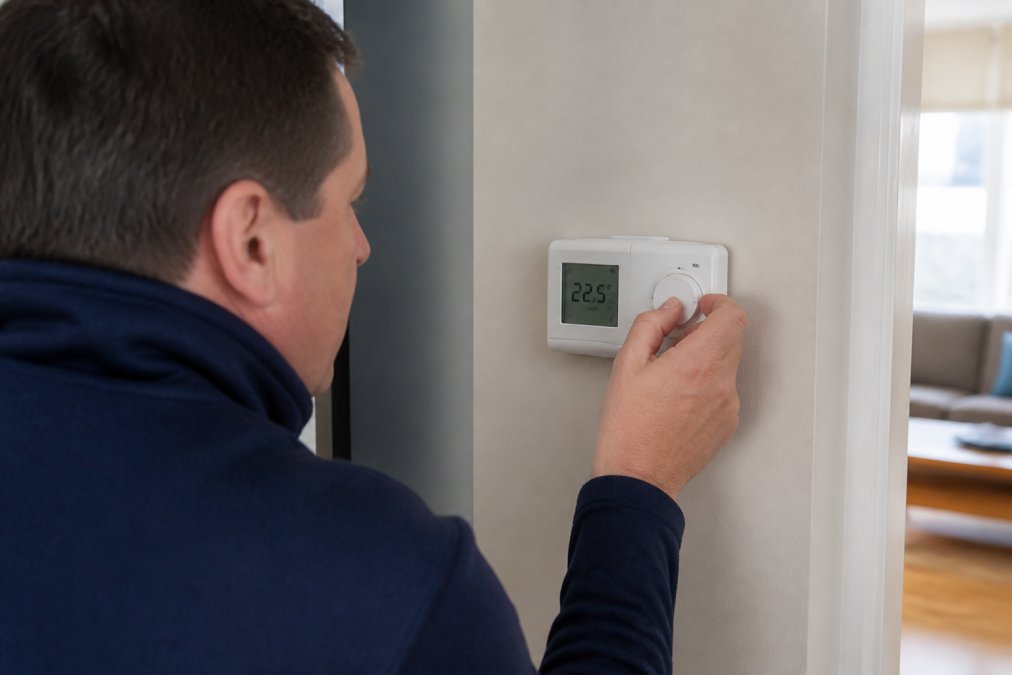
Verify that the thermostat is set to "heat" mode, not "cool" or "off." Check that the temperature setting is higher than the current room temperature. Raise the setting to 75 degrees and wait five minutes, you should hear the furnace kick on.
If the display is blank or showing an error code, the battery might be dead. Replace the batteries with fresh ones. If you have a programmable thermostat, check whether it's in a schedule preventing heat from running. Override the schedule temporarily and set it to "heat" mode manually.
Inspect Your Pilot Light or Ignition System
For gas furnaces, a dead pilot light is the most common reason for no heat. Look at your furnace, you should see a small flame burning continuously. If it's out, look for a reset button on the furnace. Press it and listen for a clicking sound. Wait 30 seconds. If the pilot light ignites, close the access panel and the furnace should run normally.
If the pilot light won't stay lit after you reset it, or if you don't hear clicking, stop. A pilot light that won't ignite suggests a gas supply issue, a thermocouple problem, or a draft issue, all things requiring professional diagnosis. This is when you call for emergency heating repair services.
Verify Power and Circuit Breakers
Your furnace needs electricity to run, even if it's a gas furnace. Look for a power switch on the furnace itself, usually near the unit. Make sure it's in the "on" position. Check your electrical panel for a breaker labeled "furnace" or "HVAC." If it's in the "off" position or in the middle (tripped), flip it all the way to "on."
If the breaker immediately flips back to the middle, stop. A breaker that keeps tripping indicates an electrical problem requiring professional attention.
Emergency HVAC Service Cost: What to Expect
Emergency service calls typically cost more than regular business hours calls. Many contractors charge a higher rate for nights, weekends, and holidays, and some add a flat emergency surcharge on top of the regular service fee.
The total cost depends on what's actually wrong. A simple thermostat battery replacement costs far less than replacing a failed heat exchanger. Most contractors charge a diagnostic fee upfront to cover the technician's time to inspect your system and identify the problem. Some waive this fee if you proceed with the repair. Ask about their diagnostic fee policy before scheduling.
For emergency heating repair services, get a quote before authorizing work when possible. A reputable contractor will tell you what the repair will cost before they start. Sometimes a repair makes sense; sometimes the system is old enough that replacement is more cost-effective long-term. A technician can help you evaluate this.
Why Same-Day Emergency Response Matters
When your heating fails in winter, every hour counts. Your home loses heat rapidly once the furnace stops. In cold weather, indoor temperature can drop 1-2 degrees per hour depending on insulation, outdoor temperature, and wind (energy.gov). A home that's 70 degrees when the furnace fails reaches 50 degrees in 10-12 hours. Frozen pipes become a real risk below 55 degrees, and water damage from burst pipes costs thousands to repair.
A contractor who responds quickly minimizes this risk. RTS Comfort Cooling & Heating offers 24/7 emergency heating repair services. Same-day response also matters for your family's comfort and safety, especially for children, elderly people, or anyone with health conditions.
Contractors who prioritize emergency response have dedicated teams standing by, trained to handle rush diagnostics with common replacement parts in their trucks. When you call for emergency heating repair services, ask specifically about response time. A contractor who guarantees same-day service or has a specific average response time is more reliable.
Call (702) 707-4242 for a free estimate →
Common Heating Problems and How Technicians Fix Them
Understanding what typically goes wrong helps you recognize problems early and talk intelligently with repair technicians.
Pilot light failure. The thermocouple might be dirty or failing, the gas supply might be interrupted, or there might be a draft blowing the pilot out. A technician cleans or replaces the thermocouple, checks the gas supply, and seals any drafts.
Blower motor failure. The furnace ignites and produces heat, but the blower motor isn't working. You feel no air from your vents. The motor might be seized, the capacitor might have failed, or the belt might be broken. Repair involves replacing the motor, capacitor, or belt.
Clogged air filter. Airflow is restricted because the filter is completely clogged. This reduces heat output and can damage the blower motor over time. The fix is simple: replace the filter.
Thermostat malfunction. The thermostat isn't communicating with the furnace, or it's reading temperature incorrectly. Repair involves recalibrating or replacing the thermostat.
Heat exchanger cracks. If the heat exchanger cracks, heat doesn't transfer efficiently, and dangerous combustion gases might leak into your home. Repair involves replacing the heat exchanger, which is expensive. Never ignore a furnace producing weak heat and strange odors.
Gas valve problems. If the gas valve is stuck or failing, the furnace won't ignite or won't stay lit. A technician tests the valve and replaces it if necessary.
Ductwork leaks. Your furnace is working fine, but heated air escapes through leaks in your ducts before reaching your rooms. Repair involves sealing leaks with duct sealant or replacing damaged sections.
When you call RTS Comfort Cooling & Heating for emergency heating repair services, the technician will run diagnostics to identify exactly which problem you're facing and explain what needs to be fixed and what it costs before they start work.
Preventative Maintenance to Avoid Future Emergencies
The best emergency is one that never happens. Preventative maintenance catches small problems before they become emergencies.
Replace your air filter every 1-3 months. This is the single most important maintenance task. A clogged filter restricts airflow, reduces efficiency, and can damage your furnace. Set a calendar reminder to check your filter monthly. This costs $15-30 and takes five minutes.
Have your furnace inspected annually. Schedule this in fall, before heating season starts. A technician cleans components, checks the pilot light and ignition system, tests the thermostat, and inspects the heat exchanger for cracks.
Keep your furnace area clear. Don't store boxes, chemicals, or flammable materials near your furnace. Ensure at least 18 inches of clearance on all sides.
Check your thermostat batteries twice a year. Replace them in fall and spring to prevent false alarms.
Have your ducts inspected for leaks. If some rooms are consistently colder than others, you might have ductwork leaks. A professional can identify and seal them.
Regular maintenance extends your furnace's lifespan, improves efficiency, and prevents emergencies. Most furnaces last 15-20 years with proper maintenance (energy.gov). RTS Comfort Cooling & Heating offers preventative maintenance plans that include regular inspections and filter replacements.
When your heating system fails, you need immediate help from a contractor who understands the urgency. Emergency heating repair services aren't just about comfort, they're about protecting your home from water damage and keeping your family safe. RTS Comfort Cooling & Heating responds to emergencies 24/7 with fast diagnostics, transparent pricing, and experienced technicians who can often fix problems the same day you call. Call (702) 707-4242 for a free estimate and learn why we're the top-rated HVAC contractor in the area.
Frequently Asked Questions
What qualifies as an emergency heating repair situation?
An emergency heating repair occurs when your heating system stops working entirely, especially during cold weather, or when you detect a gas leak, unusual smells, or carbon monoxide concerns. Complete system failure in winter, loss of heat in freezing conditions, and safety hazards like gas odors all require immediate 24/7 emergency service. If your home is dropping below comfortable temperatures and basic troubleshooting doesn't restore heat, it's time to call for emergency HVAC service.
How much does emergency HVAC service cost compared to regular repairs?
Emergency HVAC service cost depends on the time of day, the specific problem, and your system type. After-hours calls, weekend service, and holiday emergencies typically involve higher fees than standard business hours. Many contractors offer $0 diagnostic fees if you proceed with repairs, while others charge an upfront diagnostic fee. Contact your local HVAC provider for transparent pricing; most offer free estimates and can explain any additional emergency surcharges before work begins.
What should I do before calling for emergency heating repair?
Before calling for emergency heating repair, check your thermostat is set to heat mode and the temperature is set above room temperature. Verify your furnace's power switch is on and check your electrical panel for tripped circuit breakers. Look at your pilot light if you have a gas furnace. Listen for unusual sounds and check for visible damage or debris blocking vents. These troubleshooting steps often reveal simple fixes and help your technician diagnose the problem faster when they arrive.
How quickly will an emergency heating repair technician arrive?
Most 24/7 emergency heating repair services aim for response times between 30 minutes to 2 hours, depending on demand and your location within the service area. Average response times are typically around 60 minutes for emergency calls. Booking early in the day or before peak evening hours can sometimes improve response times. When you call, ask your dispatcher for an estimated arrival window so you know when to expect the technician.
This article was written using GrandRanker