 ultimate-guide
Furnace Tune Up Pricing and Benefits: 2026 Review
Table of Contents
- What a Furnace Tune Up Actually Covers
- Furnace Tune Up Checklist: What a Technician Should Inspect
- Average Cost of Furnace Maintenance and What Drives the Price
- Benefits of Annual Heating System Inspection for Your Home
- Signs Your Furnace Needs Service Before Winter
- DIY vs. Professional Furnace Maintenance
- How Seasonal Timing Affects Furnace Tune Up Pricing and Results
- Frequently Asked Questions
Last Updated: September 16, 2026
What a Furnace Tune Up Actually Covers
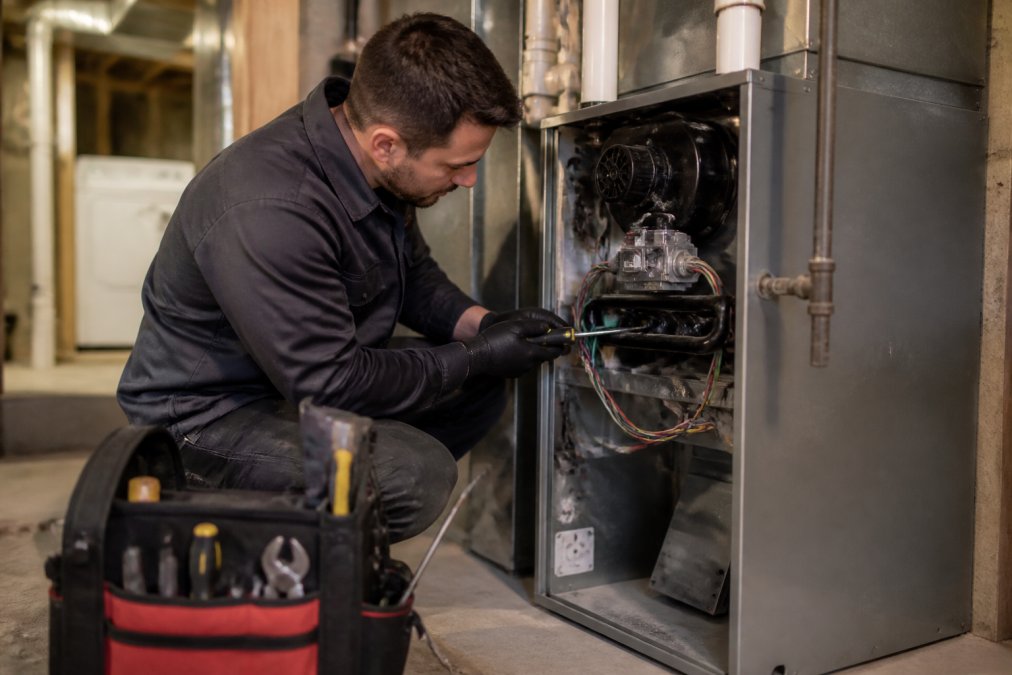
A furnace tune up is a scheduled service visit where a technician inspects, cleans, and adjusts your heating system's components to keep it running safely and efficiently. According to the U.S. Department of Energy's guidance on home heating, heating accounts for a significant share of a typical home's annual energy use, which is why a properly maintained system matters so much.
What Is a Furnace Tune Up, and Why Does It Matter?
A furnace tune up is a preventative maintenance visit that restores your heating system to its intended operating condition. It combines cleaning, testing, and calibration rather than repair. The purpose is simple: a well-adjusted furnace uses less fuel, produces fewer safety hazards, and lasts longer than one that's ignored year after year.
Furnace Tune Up Checklist: What a Technician Should Inspect
A thorough furnace tune up checklist covers airflow, combustion, electrical components, and safety controls. If a technician skips any of these, you're not getting a real tune up. Here's what a proper visit includes.
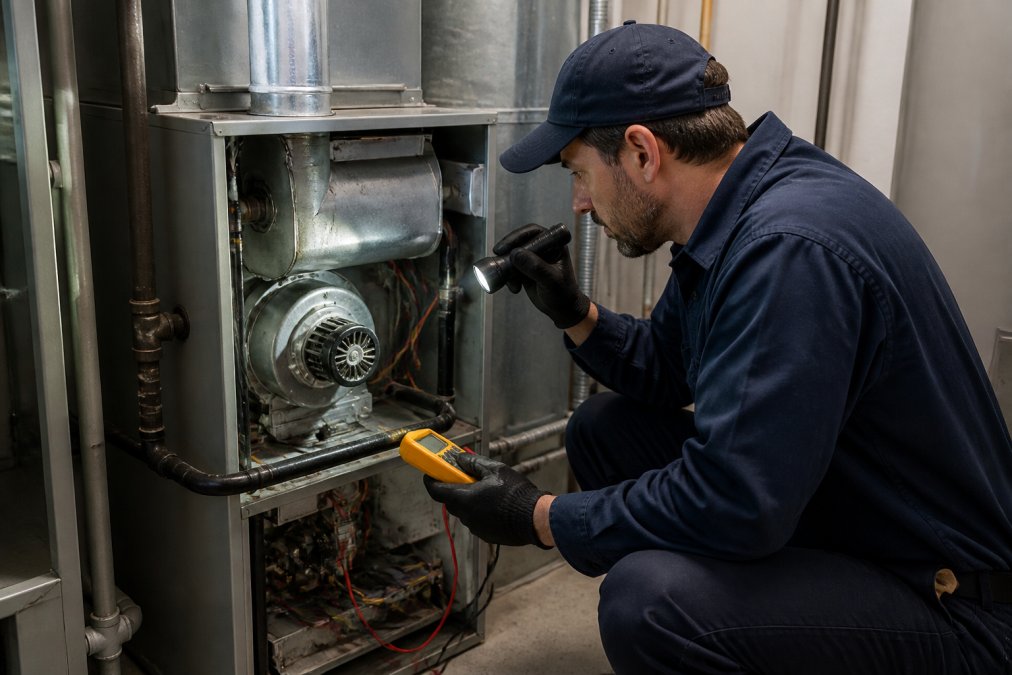
- Inspect and replace the air filter to maintain airflow
- Clean the blower motor and check its bearings
- Examine the heat exchanger for cracks or corrosion
- Test the ignition system and flame sensor
- Perform a combustion analysis on gas and oil units
- Check electrical connections and tighten loose terminals
- Verify thermostat calibration and test cycle times
- Inspect the flue and ventilation for blockages
- Check for carbon monoxide with a dedicated monitor
Gas, Oil, and Electric Furnace Differences
Gas, oil, and electric furnaces share the same airflow and electrical checks but differ in combustion-related work. A gas furnace needs burner cleaning, combustion analysis, and a heat exchanger inspection for carbon monoxide safety. An oil furnace adds nozzle and filter replacement plus fuel-line checks. An electric furnace skips combustion entirely, so the focus shifts to heating elements, sequencers, and electrical connections.
Average Cost of Furnace Maintenance and What Drives the Price
The average cost of furnace maintenance varies widely by region, system type, and provider, so no single figure applies to every home. Rather than quote a number that won't match your situation, it's more useful to understand what moves the price up or down, and why. RTS Comfort Cooling & Heating provides free estimates so you can see the actual number for your system before you commit.
The Factors That Move the Price
| Factor | Lower Cost | Higher Cost | Why It Moves the Price |
|---|---|---|---|
| System type | Electric furnace | Oil furnace with nozzle service | Electric units skip combustion testing entirely; oil units add nozzle and fuel-filter replacement plus fuel-line checks, which take longer |
| Age and condition | Newer, clean unit | Older unit with heavy buildup | Carbon and soot buildup on burners and the heat exchanger adds cleaning time and inspection steps |
| Service scope | Standard tune up | Tune up plus repairs | A tune up is inspection, cleaning, and calibration; any part replacement is billed separately on top |
| Timing | Off-season booking | Peak winter demand | Demand pricing and limited technician availability raise the rate when temperatures drop |
| Plan status | One-time visit | Service agreement member | Agreement members typically pay a lower per-visit rate and get priority scheduling |
| System accessibility | Easy utility-room access | Tight closet or attic install | Restricted access adds labor time to reach and service components |
Why Fuel Type Changes the Price Most
The single biggest driver is fuel type, because it changes how much combustion work the visit requires. A gas furnace needs burner cleaning, a combustion analysis, and a heat exchanger inspection for carbon monoxide safety. An oil furnace adds nozzle and fuel-filter replacement plus fuel-line checks on top of that, which is why oil service typically sits at the higher end.
Why Timing Changes the Price
Booking in early fall typically costs less than waiting for the first cold snap. Demand spikes when temperatures drop, and peak-season scheduling often means higher prices and longer waits. Off-season appointments give technicians more time to do the job right and to catch small issues before they become emergencies. There's a performance angle too: a furnace serviced before the heating season starts runs at peak efficiency from day one, while one serviced in January has already spent weeks running dirty.
One-Time Visit vs. Service Agreement
A service agreement usually lowers the per-visit price and locks in priority scheduling. For homeowners who plan to stay put, that's the better long-term math, the discount compounds across years, and priority scheduling matters most in the middle of a cold snap when everyone else is calling at once. If you only need a single visit, a one-time tune up is simpler, but you give up both the discount and the front-of-line placement.
Benefits of Annual Heating System Inspection for Your Home
The benefits of annual heating system inspection extend well beyond a lower utility bill. A yearly visit improves energy efficiency, protects indoor air quality, and reduces the odds of a mid-winter breakdown when you need heat most. But the two benefits that actually protect your wallet, warranty coverage and long-term equipment life, are the ones most guides skip entirely.
Warranty Protection: The Benefit Homeowners Never See Coming
Most furnace manufacturers require documented annual inspection to keep parts coverage valid. That requirement is buried in the warranty terms, and it's the reason a failed heat exchanger or blower motor that would have been covered can land entirely on you if you can't produce service records. The mechanism is simple: when you file a claim, the manufacturer asks for proof of maintenance. No dated invoices, no coverage.
Long-Term ROI: Where the Money Actually Comes Back
A clean, calibrated furnace burns fuel more completely, so less of your money escapes up the flue. But the larger return comes from avoided failures. A worn blower motor or a cracked heat exchanger caught during a routine visit is a small repair; the same failure discovered in January is an emergency call, a possible full replacement, and days without heat.
Safety: Carbon Monoxide and the Heat Exchanger
Safety sits at the top of the list. An inspection confirms the heat exchanger is intact and that carbon monoxide isn't entering your living space, a risk the U.S. Consumer Product Safety Commission treats as a serious home hazard. Carbon monoxide is odorless, so a cracked heat exchanger can go undetected until symptoms appear. A combustion analysis and a dedicated CO check during the visit are what catch it early.
Efficiency and Indoor Air Quality
A clean filter, clear blower, and properly adjusted burners keep airflow and combustion in balance, which lowers energy use and keeps dust and combustion byproducts out of your living space. These gains are modest year to year, but they compound across the life of the system, and they're the reason a maintained furnace typically outlasts an ignored one.
Signs Your Furnace Needs Service Before Winter
Certain warning signs mean you shouldn't wait for your scheduled visit. Schedule service now if you notice any of these:
- Strange noises such as banging, rattling, or screeching
- Yellow or flickering burner flames instead of steady blue
- A pilot light that keeps going out
- Uneven heating from room to room
- Rising utility costs with no change in usage
- A burning or musty smell when the heat runs
- Frequent cycling on and off
- Visible soot or corrosion around the unit
DIY vs. Professional Furnace Maintenance
You can handle some furnace maintenance yourself, but combustion and electrical work should stay with a licensed technician. Homeowners can safely replace filters, keep vents and returns clear, and wipe down the exterior. Everything involving the gas valve, ignition system, heat exchanger, or electrical connections belongs to a professional. Those tasks carry real risk of fire, carbon monoxide exposure, and shock, and they're the ones that determine whether your system is safe.
How Seasonal Timing Affects Furnace Tune Up Pricing and Results
Booking your furnace tune up in early fall typically costs less and delivers better results than waiting for the first cold snap. Demand spikes when temperatures drop, and peak-season scheduling often means higher prices and longer waits. Off-season appointments give technicians more time to do the job right and to catch small issues before they become emergencies.
Frequently Asked Questions
Is it worth it to get a furnace tune up?
Yes, for most homeowners. An annual furnace tune up keeps the heat exchanger, flame sensor, and blower motor running within manufacturer guidelines. Skipping it can void warranty coverage on a gas furnace and lead to higher repair bills later. It also gives a technician the chance to run a combustion analysis and check for carbon monoxide risks before winter. The upfront cost is almost always less than an emergency service call.
What is included in a furnace tune up checklist?
A standard furnace tune up checklist covers filter replacement, thermostat calibration, ignition system testing, flame sensor cleaning, heat exchanger inspection, blower motor lubrication, electrical connections, and combustion analysis on gas or oil furnaces. Technicians also check airflow, ductwork, and ventilation. Ask for the written checklist before the visit so you know exactly what is included and what costs extra.
How often should you schedule a furnace tune up?
Once a year, ideally in early fall before the heating season starts. Manufacturers typically require annual maintenance to keep the warranty valid. In colder climates or homes with older systems, some technicians recommend a second check in spring. If you use a service agreement, the annual inspection is usually built into the plan.
Can a furnace tune up lower my monthly energy bills?
It can help. A dirty filter, clogged blower motor, or miscalibrated thermostat forces the system to work harder, which raises utility costs. Cleaning and adjusting those parts restores energy efficiency. The exact savings depend on your system's age, fuel type, and how far it had drifted from manufacturer guidelines. Pairing a tune up with duct cleaning and attic insulation often improves results more than tune up alone.
What is the average cost of furnace maintenance?
Pricing depends on your system type, fuel source, and location. Gas, oil, and electric furnaces each require different steps, and a system with add-on components like a humidifier or smart thermostat takes longer. RTS Comfort Cooling & Heating does not publish flat rates because every home is different. Call (702) 707-4242 for a free estimate and a clear breakdown before any work begins.
A furnace that quits on the coldest night of the year is a problem you can prevent. RTS Comfort Cooling & Heating keeps your heating system ready with expert maintenance, smart thermostat installation, and indoor air quality services, backed by 24/7 emergency response when something goes wrong. Get started with RTS Comfort Cooling & Heating and call (702) 707-4242 for a free estimate on your next tune up.