 how-to
How to Choose an Emergency Heating Contractor
Table of Contents
- Verify Licensing and Insurance Before Calling
- What to Ask an HVAC Contractor During Your Call
- Understand Emergency HVAC Response Time Expectations
- Know What Heating Repair Costs Look Like
- Evaluate Local Experience and Customer Reviews
- Get Everything in Writing Before Work Begins
- Frequently Asked Questions
Last Updated: October 15, 2026
Verify Licensing and Insurance Before Calling
When your heat dies at 2 AM, the instinct is to call the first number that answers. Resist it for five minutes. A quick verification pass protects you from the two worst outcomes: an unlicensed technician who botches the repair, and an uninsured one who damages your home or gets hurt on your property and leaves you holding the bill.
Step 1: Confirm the license is active. In Nevada, HVAC contractors must hold a valid license issued by the Nevada State Contractors Board (NSCB). Ask for the contractor's license number before you agree to anything, then look it up in the Nevada State Contractors Board license verification database.
Step 2: Check the complaint and disciplinary history. The same NSCB lookup typically shows complaints, citations, and disciplinary actions. One resolved complaint years ago is not disqualifying. A pattern of unresolved complaints, suspended licenses, or repeated citations for unpermitted work is. If you see disciplinary history, ask the contractor directly what happened and how it was resolved. Their answer tells you as much as the record does.
Step 3: Verify insurance, not just the claim of it. "We're fully insured" is a sentence, not proof. Ask for a Certificate of Insurance (COI) and read it. You want to see:
- General liability insurance, covers property damage if they break something in your home.
- Workers' compensation insurance, covers the technician if they're injured on your property. Without it, that injury can become your liability.
- The policy's effective dates, an expired certificate is worthless.
- The named insured, it should match the licensed business, not a different entity.
If they hesitate to send a COI, that hesitation is your answer. Legitimate contractors keep certificates on hand and send them without friction.
Step 4: Understand bonding. A surety bond is a separate layer from insurance. It gives you a path to recover money if the contractor takes payment and fails to perform or violates licensing rules. Ask whether the contractor is bonded and for the bond amount. It is not a substitute for insurance, but it is another sign you are dealing with a legitimate operation.
Never let a technician start work before you have confirmed an active license and current insurance. In an emergency, it is tempting to skip this. The five minutes it takes is the cheapest protection you will buy all night.
At RTS Comfort Cooling & Heating, we will provide our license number and a Certificate of Insurance on request. That should be the baseline for anyone you let into your home, not a favor you have to beg for.
What to Ask an HVAC Contractor During Your Call
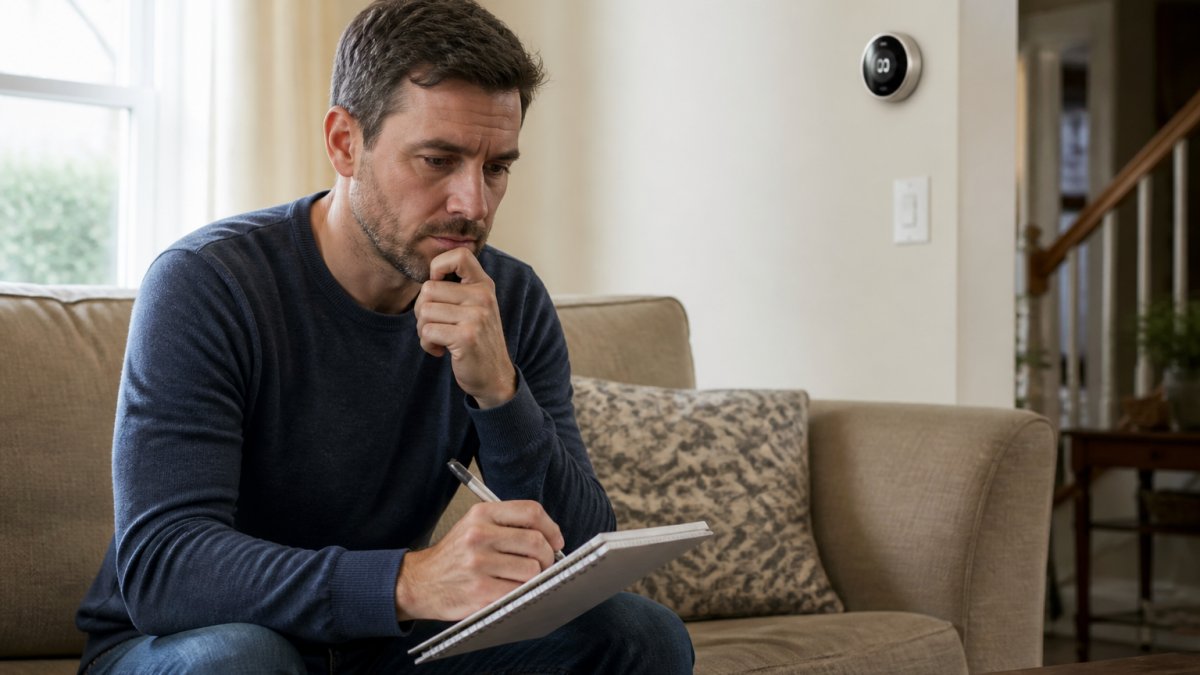
When you call an emergency heating contractor, have a pen and paper ready. Write down their answers to these questions before you commit to anything.
Response Time and Availability
Ask directly: How long will it take you to arrive? Emergency contractors should give you a specific timeframe, not a vague "we'll be there soon." A typical emergency response in the area ranges from 1 to 2 hours, depending on their current workload and your location. If they won't commit to a timeframe, that's a red flag.
Also ask: Do you charge extra for nights, weekends, or holidays? Many contractors add a surcharge for after-hours service. Some charge flat emergency fees. Others apply a percentage markup to the total bill. You need to know this upfront so there are no surprises when you get the invoice.
Diagnostic and Service Fees
Before they send someone to your house, ask: What is your diagnostic fee? Some contractors charge a flat fee to come out and assess the problem. Others waive the diagnostic fee if you hire them for the repair. Get this in writing or at least have them state it clearly.
Ask also: Will you provide a written estimate before starting work? A professional contractor will always give you a written estimate that breaks down:
- The problem they found
- The repair or replacement they recommend
- The total cost
- The warranty on their work
Never let a contractor start work without a written estimate. This protects you and gives you time to ask questions.
Understand Emergency HVAC Response Time Expectations
Response time matters, but what you do in the minutes before the technician arrives matters more. A heating failure can be a comfort problem or a life-safety problem, and the two demand completely different reactions. Triage first, then worry about the arrival window.
When to evacuate and call 911, not a contractor.
- Suspected gas leak. If you smell rotten eggs or sulfur near the furnace, water heater, or gas line, do not flip switches, do not use your phone inside, and do not try to diagnose it. Get everyone out of the house, then call 911 or your gas utility's emergency line from outside. A heating contractor is the wrong call for an active gas leak.
- Carbon monoxide alarm sounding. CO is odorless and can be fatal (the CDC). If the alarm sounds or anyone in the home has symptoms like headache, dizziness, nausea, or confusion, evacuate immediately and call 911. Do not run the furnace to "test" it.
- Smoke, burning smell, or sparking at the unit. Shut off the system at the thermostat and, if safe to reach, at the breaker. Call 911 if there is active smoke or fire. Otherwise call a contractor only after the electrical hazard is cleared.
When it is a comfort emergency you can wait on.
- The furnace simply will not fire, but there is no gas smell, no CO alarm, and no electrical hazard.
- The blower runs but produces no heat.
- The system short-cycles or the thermostat is unresponsive.
For these, you can safely call a contractor. While you wait:
- Check the obvious first. Confirm the thermostat is set to "heat," the batteries are good, and the breaker or furnace switch has not tripped. Check the air filter, a clogged filter can trip a safety switch and shut the system down. These fixes cost nothing and occasionally solve the call before it starts.
- Do not repeatedly reset the system. If it locks out, resetting it over and over can mask the fault code a technician needs to diagnose the problem.
- Keep the space around the furnace clear and do not store flammable items near it.
- Protect pipes in a hard freeze. If heat is out during freezing temperatures, let faucets drip and open cabinet doors under sinks to reduce the risk of burst pipes.
What a realistic arrival window looks like.
Once you have confirmed it is a comfort emergency, set expectations. Response time depends on your location, current call volume, time of day, and weather. Most professional contractors aim for a 1-2 hour arrival on emergency calls, and some can arrive within 30 minutes if a truck is nearby. During a peak winter cold snap, every contractor is slammed and windows stretch.
When you call, ask for three things:
Call (702) 707-4242 for a free estimate →
- A specific arrival window, not "soon."
- Dispatch confirmation, a text or call naming the technician and the truck, so you know who is coming to your door.
- A callback number in case the window slips.
If the quoted window is four hours or more, ask whether another contractor can get there sooner. Calling your second choice is not disloyalty, it is how you get heat back faster.
Triage before you dial. Gas, CO, or electrical hazards mean 911 or the utility, not a contractor. Everything else is a comfort emergency you can safely hand to a licensed heating professional, and a clear arrival window plus dispatch confirmation is what separates a real emergency response from a vague promise.
Know What Heating Repair Costs Look Like
Emergency heating repairs cost more than routine maintenance calls. Understanding the price structure helps you avoid sticker shock.
Heating repair costs depend on what's broken. A simple fix like replacing a thermostat battery costs far less than replacing a heat exchanger. Without a diagnostic, no contractor can quote you accurately.
Here's what typically affects the bill:
- Service call fee: The cost just to send a technician to your home
- Diagnostic fee: The charge to identify the problem
- Parts cost: The actual heating components that need replacement
- Labor cost: The hourly rate to install or repair
- Emergency surcharge: Extra fees for nights, weekends, or holidays
Ask the contractor to break down each line item on the estimate. Never accept a vague total. You should see exactly what you're paying for.
At RTS Comfort Cooling & Heating, we provide transparent estimates that show you every cost. If a contractor refuses to itemize the bill or won't provide an estimate upfront, move on.
Evaluate Local Experience and Customer Reviews
An emergency heating contractor with local experience knows the area's climate, common system problems, and building codes. This matters.
Ask: How long have you served this area? Contractors with local experience have seen many heating problems that occur here. They know which systems fail most often and how to fix them quickly.
Check online reviews on multiple platforms:
- Google Business reviews
- Yelp
- Better Business Bureau (BBB)
- Facebook business pages
Look for patterns in the reviews. A few negative reviews are normal. But if you see repeated complaints about high prices, slow response, or poor workmanship, that's a warning sign.
Pay attention to recent reviews. A 5-star review from three years ago matters less than current feedback. Look for reviews mentioning emergency service specifically. Did they actually show up when promised? Did the repair hold?
Get Everything in Writing Before Work Begins
Before the technician touches your heating system, you need a signed agreement.
The written estimate should include:
- Your name and address
- The contractor's license number
- The date and time of service
- Detailed description of the problem
- The proposed repair or replacement
- Total cost broken down by service, parts, and labor
- Any emergency or after-hours surcharges
- Warranty on parts and labor
- Payment terms (cash, card, financing options)
- Start and estimated completion date
Both you and the contractor should sign and date it. You keep a copy. This protects both of you.
If the contractor finds additional problems during the repair, they should stop work and contact you before proceeding. Never let them add charges without your approval.
Ask about warranties. What's covered if the repair fails?
Frequently Asked Questions
How do I verify an HVAC contractor's license in Nevada?
Check the Nevada State Contractors Board (NSCB) website to confirm the contractor holds a valid Class C-23 (HVAC) license. Verify the license number, expiration date, and any complaint history. Ask the contractor directly for their license number before scheduling service. Licensed contractors are insured, protecting you if work is incomplete or causes damage. Never hire someone who cannot provide a valid license number or avoids the question.
What should I ask an emergency heating contractor before they arrive?
Ask about their response time, whether they charge an emergency fee, and if they provide a written estimate before starting work. Confirm they are licensed and insured. Ask if the technician will diagnose the problem before quoting repair costs, and whether they offer a warranty on parts and labor. Request their service area to ensure they actually cover your location. Get a phone number to confirm dispatch and ask for an estimated arrival window.
How quickly should an emergency HVAC contractor respond?
Most reputable emergency heating contractors arrive within 1-2 hours during business hours and 2-4 hours after hours or on weekends. Response time depends on their current workload and your distance from their service area. Ask about their dispatch confirmation process when you call, legitimate contractors will text or call with an ETA. Be skeptical of companies promising 30-minute response times. Confirm response expectations before you hire them.
How much does emergency heating repair typically cost?
Emergency heating repair pricing depends on the problem, your system type, and whether parts need replacement. Service calls, diagnostic fees, and after-hours charges vary significantly. Always request a written estimate before authorizing work. Ask whether the service call fee is waived if you proceed with repairs. Prioritize reliability and credentials over the lowest price. Transparent contractors will break down labor, parts, and emergency surcharges separately on the estimate.
Choosing an emergency heating contractor comes down to three things: verify their credentials, ask the right questions upfront, and get everything in writing. When your heating system fails, you need someone licensed, insured, and responsive. At RTS Comfort Cooling & Heating, we provide 24/7 emergency service with transparent pricing and professional expertise. Call (702) 707-4242 for a free estimate and immediate assistance with your heating emergency. We're here when you need us most.