 ultimate-guide
Is Attic Insulation Worth the Cost? 2026 Guide
Table of Contents
- Is Attic Insulation Worth the Cost? The Financial Reality
- How Much You'll Save on Energy Bills
- Attic Insulation R-Value Requirements by Climate Zone
- Signs of Poor Attic Insulation You Shouldn't Ignore
- Energy Tax Credits for Insulation and Long-Term Incentives
- Insulation Materials and Their Cost-Benefit Trade-Offs
- Air Sealing: The Prerequisite Most Homeowners Miss
- DIY vs. Professional Installation: What Affects Your ROI
Last Updated: August 21, 2026
Is Attic Insulation Worth the Cost? The Financial Reality
Attic insulation is one of the highest-return home improvements you can make, but whether it's worth the cost depends on your current situation, climate, and how long you plan to stay in your home. At RTS Comfort Cooling & Heating, we've helped homeowners in the Las Vegas area evaluate this decision.
The fundamental question isn't whether attic insulation works, it does. The question is whether the energy savings, comfort improvements, and long-term benefits justify the upfront investment for your specific home. Some homeowners see a return within five to seven years; others take longer.
Attic insulation reduces heat transfer between your living space and the outside environment. In a hot climate like ours, that means less strain on your air conditioning system during summer months. In winter, it keeps heated air from escaping. But here's the catch: installing new insulation without first sealing air leaks is like trying to fill a bucket with a hole in the bottom. Energy savings plateau once you reach a certain R-value threshold, and if your attic has poor ventilation or moisture problems, adding insulation can actually make those issues worse.
This guide walks through the real financial picture: what you'll actually save, which R-values make sense for your climate zone, available tax incentives, and honest trade-offs between DIY and professional installation.
How Much You'll Save on Energy Bills
Energy savings from attic insulation vary based on your current R-value, local climate, home size, and HVAC system efficiency. Most homeowners report noticeable reductions in heating and cooling costs after upgrading to a proper R-value for their climate zone. If you already have moderate insulation, improvements will be smaller due to diminishing returns.
Energy savings typically accumulate gradually over a full year. Over five years, total savings can offset installation costs, though timelines vary.
Several factors affect your actual savings:
Your current insulation level. Upgrading from R-19 to R-38 produces larger savings than upgrading from R-38 to R-49. Each additional layer saves energy, but the benefit per dollar spent decreases.
Your thermostat settings. If you keep your home cooler in summer or warmer in winter than your neighbors, your savings will be higher.
Air sealing quality. Insulation alone doesn't work if air leaks around attic hatches, through gaps around penetrations, or past recessed lights. A properly sealed attic amplifies insulation benefits.
System efficiency. Older HVAC systems work harder to maintain temperature, so insulation helps them more. Newer high-efficiency systems already do much of the heavy lifting.
Expect energy savings to range from modest to significant, but calculate your specific scenario rather than assuming a fixed percentage. RTS Comfort Cooling & Heating can help you estimate realistic savings based on your home's current condition and local climate zone.
Attic Insulation R-Value Requirements by Climate Zone
R-value measures thermal resistance, how effectively insulation slows heat transfer. Higher R-values mean better performance, but the optimal R-value depends on your climate zone and whether you're insulating the attic floor or roof deck.
The U.S. Department of Energy provides recommended R-values by climate zone and home type (energy.gov). For most residential attics in warmer climates, the recommended range falls between R-30 and R-60 (energy.gov). The Las Vegas area typically falls into a climate zone where R-38 to R-49 represents the practical sweet spot for most homes, balancing energy savings against installation cost and diminishing returns.
Once you exceed the optimal R-value for your climate, each additional layer saves less energy than the previous layer. At some point, the cost of adding more insulation exceeds the value of energy saved.
Common R-value options:
- R-19 to R-30: Minimal insulation; common in older homes. Upgrade if you're currently below this range.
- R-38: Moderate insulation; meets minimum recommendations for most climates.
- R-49 to R-60: Premium insulation; provides strong energy savings. Represents the practical upper limit for most homeowners.
- R-60+: Diminishing returns become significant; typically only justified in very cold climates.
Air sealing directly affects how much R-value you need. A well-sealed attic with R-38 performs better than a poorly sealed attic with R-49.
Signs of Poor Attic Insulation You Shouldn't Ignore
If your attic insulation is inadequate, your home will give you clues.
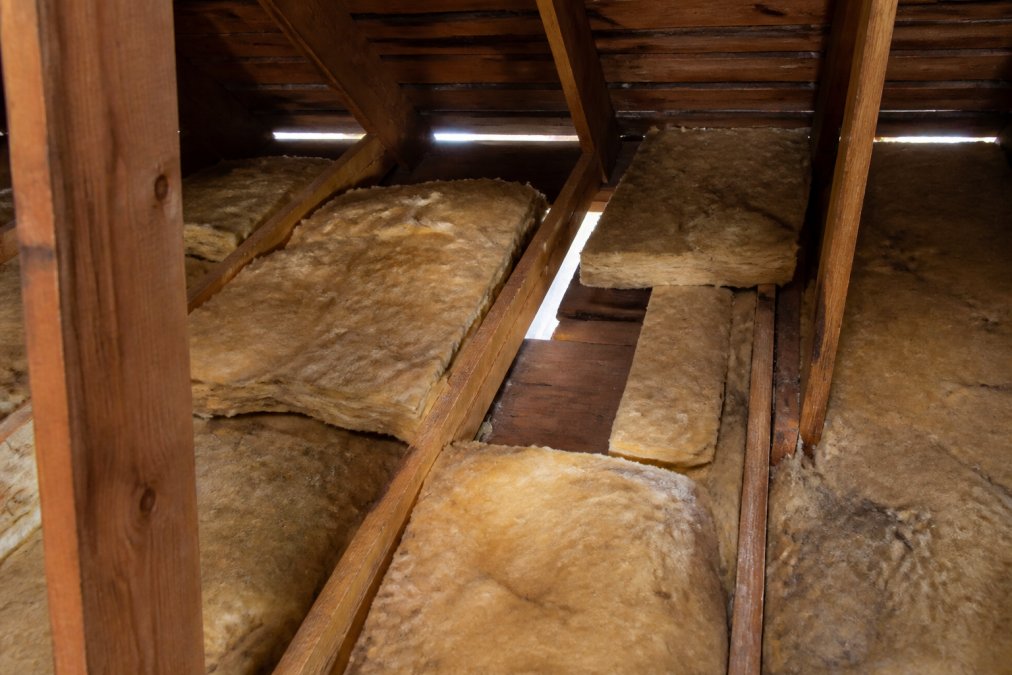
Temperature swings between rooms. If some rooms stay uncomfortably warm or cold while others maintain consistent temperature, poor attic insulation is often the culprit.
Utility bills that spike seasonally. A dramatic jump in heating or cooling bills suggests your HVAC system is working overtime to compensate for heat loss or gain through the attic.
Visible deterioration or settling of existing insulation. If you can see rafters or joists through the insulation, or if it appears thin and compressed, it's time to add more.
Moisture or mold in the attic. Poor insulation combined with inadequate ventilation creates condensation. This indicates a problem that insulation alone won't fix, you need air sealing and ventilation first.
Drafts or cold spots near the ceiling. Cold air near upper walls or ceilings often means warm air is escaping through a poorly insulated attic.
High HVAC runtime. If your system runs almost constantly during peak heating or cooling season, poor insulation is a likely contributor.
The presence of any of these signs means you should have your attic evaluated. RTS Comfort Cooling & Heating can assess your current insulation level and recommend upgrades based on your specific situation.
Energy Tax Credits for Insulation and Long-Term Incentives
Federal tax incentives for home energy improvements exist, and attic insulation may qualify. The Energy Policy Act and related federal programs have historically provided tax credits for qualifying insulation upgrades. Verify current eligibility and requirements before making your investment decision.
Some states and utilities also offer rebates or incentives for energy efficiency improvements. Contact your local utility company to ask about available rebates for attic insulation upgrades.
Call (702) 707-4242 for a free estimate →
Tax credits and rebates reduce your net cost, improving the financial case for upgrading. If a project costs $2,000 and you receive a $300 rebate, your effective cost drops to $1,700, changing the payback timeline.
Improved insulation also increases your home's resale value. Buyers recognize energy-efficient homes as lower-cost-to-operate properties. Insulation lasts decades and provides consistent value year after year.
Insulation Materials and Their Cost-Benefit Trade-Offs
Different insulation materials offer different performance characteristics, costs, and installation considerations.
Fiberglass batts are the most common and affordable option. They fit between joists and are relatively easy to install. Cost is low, but installation quality matters enormously. Poorly installed batts with gaps or compression perform significantly worse than properly installed ones.
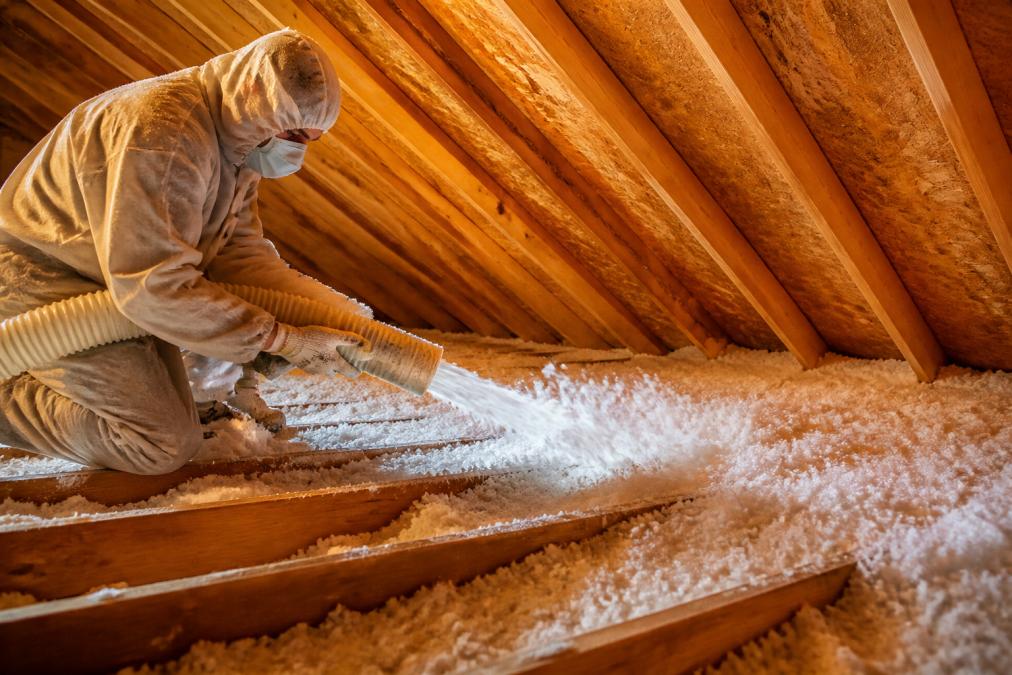
Blown-in fiberglass or cellulose is sprayed into the attic, filling gaps and voids that batts might miss. This provides more complete coverage and better air sealing. It typically costs more than batts but delivers superior performance and requires professional equipment.
Spray foam offers the highest R-value per inch and provides excellent air sealing. However, it's significantly more expensive and requires professional installation. For most homeowners, spray foam is overkill for attic insulation.
Cellulose is made from recycled paper and offers good R-value at lower cost than fiberglass batts. It provides better air sealing when blown in but can settle over time and is more susceptible to moisture issues if ventilation is poor.
| Material | R-Value per Inch | Typical Cost Range | Best For | Installation |
|---|---|---|---|---|
| Fiberglass Batts | 3.2-3.8 | Most affordable | Budget-conscious homeowners | DIY or professional |
| Blown Fiberglass | 3.2-3.8 | Moderate | Complete coverage, gaps | Professional |
| Cellulose | 3.6-3.8 | Low to moderate | Eco-conscious, cost-effective | Professional |
| Spray Foam | 6.0-7.0 | Most expensive | Air sealing, high performance | Professional only |
For most homeowners, blown-in fiberglass or cellulose offers the best balance of performance and cost.
Air Sealing: The Prerequisite Most Homeowners Miss
Here's the critical mistake most homeowners make: they add insulation without first sealing air leaks. This is like upgrading to a better water filter while your pipes are still leaking.
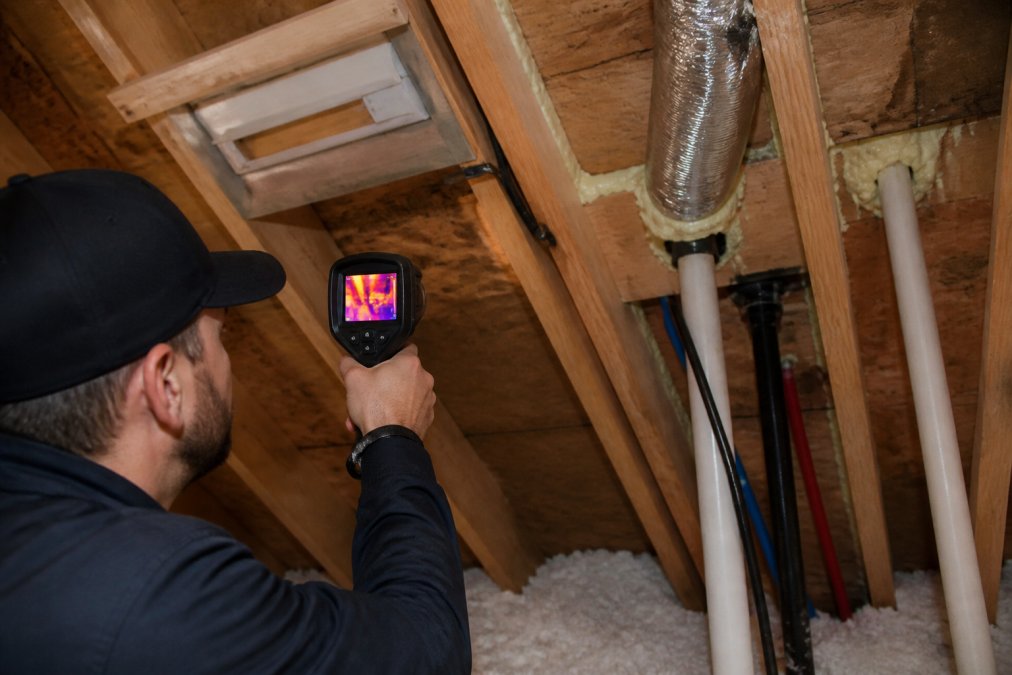
Air leaks bypass insulation entirely. Warm or cool air escapes through gaps, holes, and poorly sealed penetrations. Common leak points include attic hatches, recessed light fixtures, plumbing penetrations, electrical outlets, and gaps around ducts or HVAC equipment.
Sealing these leaks before adding insulation multiplies the benefit of the insulation. A sealed attic with R-38 outperforms an unsealed attic with R-49. Air sealing should always come first.
The process involves identifying leak points, then sealing them with caulk, weatherstripping, or spray foam. An energy audit using thermal imaging can pinpoint major leaks. Once sealed, you add insulation on top of that sealed foundation.
The financial case for air sealing is strong. The cost is typically lower than adding insulation, and energy savings are immediate and measurable. If you're planning to upgrade your attic insulation, budgeting for air sealing first is essential.
RTS Comfort Cooling & Heating can perform a thermal assessment of your attic to identify air leaks before you invest in additional insulation.
DIY vs. Professional Installation: What Affects Your ROI
The choice between DIY and professional installation significantly impacts both your upfront cost and the actual performance of your insulation.
DIY installation advantages: Lower labor cost is the obvious benefit. If you're adding fiberglass batts to an attic that's already partially insulated, DIY can save money.
DIY installation disadvantages: Quality varies dramatically. Common mistakes include gaps between batts, compression of insulation, incomplete coverage around obstacles, and failure to address air sealing. These mistakes directly reduce energy savings. You also assume liability for electrical hazards, falls, or improper ventilation disruption.
Professional installation advantages: Experts have equipment to install blown-in insulation that reaches gaps and voids. They understand proper ventilation requirements and air sealing prerequisites. Professional work typically comes with a warranty and is faster and more complete.
Professional installation disadvantages: Higher upfront cost due to labor. You're dependent on the contractor's schedule.
For most homeowners, professional installation is the better choice, especially if you're upgrading to blown-in insulation or if your attic has complex geometry or existing ventilation challenges. The higher upfront cost is offset by better performance and longer-term energy savings.
If you're considering DIY, limit it to simple scenarios: adding fiberglass batts to an unfinished attic with straightforward joist spacing. Even then, take time to understand proper installation technique.
Is attic insulation worth the cost? For most homeowners, the answer is yes, but timing, material choice, and installation quality matter enormously. The real value emerges over time as energy savings accumulate and your HVAC system works more efficiently. RTS Comfort Cooling & Heating helps homeowners in the Las Vegas area evaluate their specific situation, identify air sealing needs, and choose the right insulation strategy. Call (702) 707-4242 for a free estimate and let our team assess whether upgrading your attic insulation makes financial sense for your home.
Frequently Asked Questions
Q: How much does it cost to insulate a 2000 sq ft attic?
A: Attic insulation costs depend on material type, current insulation levels, labor rates, and your climate zone. Blown-in cellulose or fiberglass typically costs less than spray foam. For accurate pricing on your specific project, contact RTS Comfort Cooling & Heating for a free estimate. We'll assess your square footage and recommend the right R-value for your needs.
Q: What is the average payback period for attic insulation?
A: Most homeowners recoup their attic insulation investment within 2-8 years through reduced heating and cooling costs, depending on energy prices, climate zone, and installation method. Adding air sealing before insulation improves ROI significantly. Federal tax credits can also reduce your upfront cost and shorten payback time.
Q: How do I know if my attic needs more insulation?
A: Signs include visible rafters or joists through existing insulation, inconsistent room temperatures, high utility bills in summer or winter, ice dams in winter, or insufficient R-value for your climate zone. An energy audit reveals exactly how much R-value your attic currently has and what's recommended for your area.
Q: Does attic insulation really make a difference in energy efficiency?
A: Yes. Heat loss through uninsulated or under-insulated attics accounts for significant energy waste. Proper attic insulation reduces thermal transfer, lowers HVAC load, and cuts utility bills depending on current conditions. Combined with air sealing, the impact is even greater. Energy savings compound over decades, making attic insulation one of the highest-ROI home upgrades.
This article was written using GrandRanker