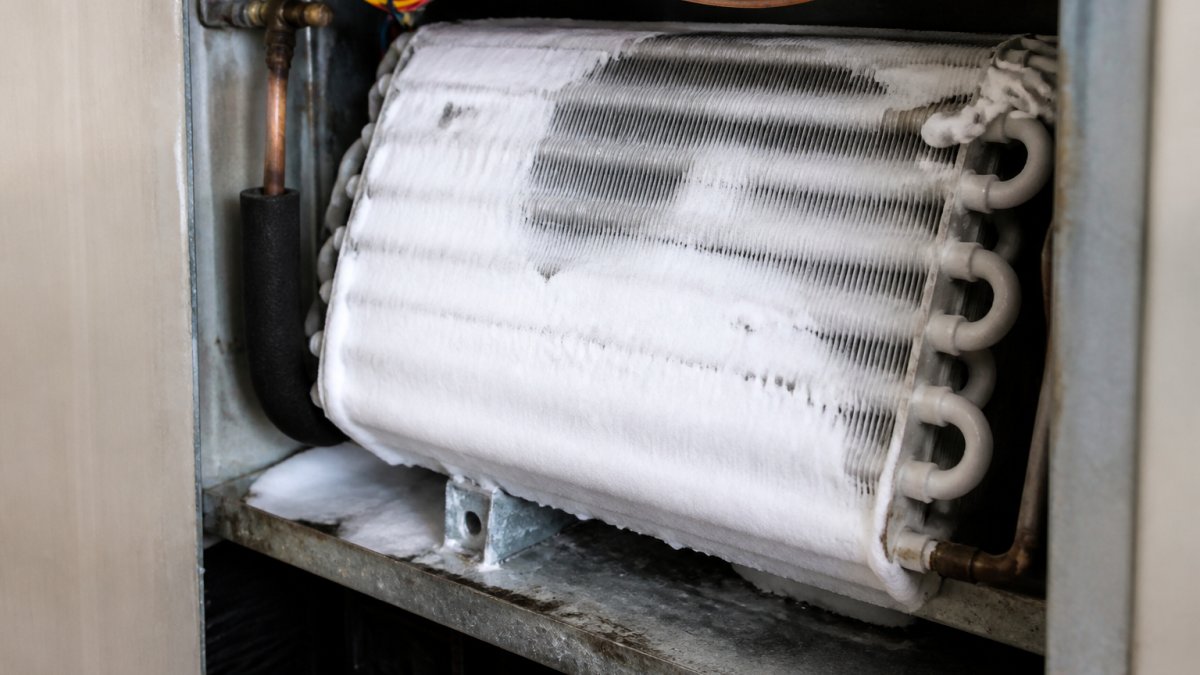
 how-to
Signs of Frozen Evaporator Coils in AC Systems
Table of Contents
- Signs of Frozen Evaporator Coils in AC: What to Look For
- Visual Clues: Ice Buildup and Frost on Refrigerant Lines
- What Causes an Evaporator Coil to Freeze?
- How to Thaw Frozen AC Coils Safely
- DIY vs. Professional Repair: When to Call an HVAC Technician
- How Frozen Coils Impact Energy Costs and System Efficiency
- Preventative Maintenance to Stop Ice Buildup Before It Starts
- Conclusion: Protect Your System Before Small Issues Become Big Repairs
- Frequently Asked Questions
Last Updated: October 3, 2026
Signs of Frozen Evaporator Coils in AC: What to Look For
Frozen evaporator coils are one of the most common reasons an AC stops cooling a home.
A frozen coil rarely fixes itself. Ignoring the signs can turn a simple airflow problem into a costly compressor failure.
The key point: ice on the coil is a symptom, not the problem. Something upstream is restricting airflow or refrigerant flow. Fix that, and the freezing stops coming back.
Visual Clues: Ice Buildup and Frost on Refrigerant Lines
The clearest sign is ice you can see. Open the air handler cabinet and check the evaporator coil and refrigerant lines. A healthy coil stays wet, not frozen.
What to look for:
- White frost or solid ice on the coil fins
- Ice on the thick insulated suction line near the air handler
- Water pooling under the unit from melting ice
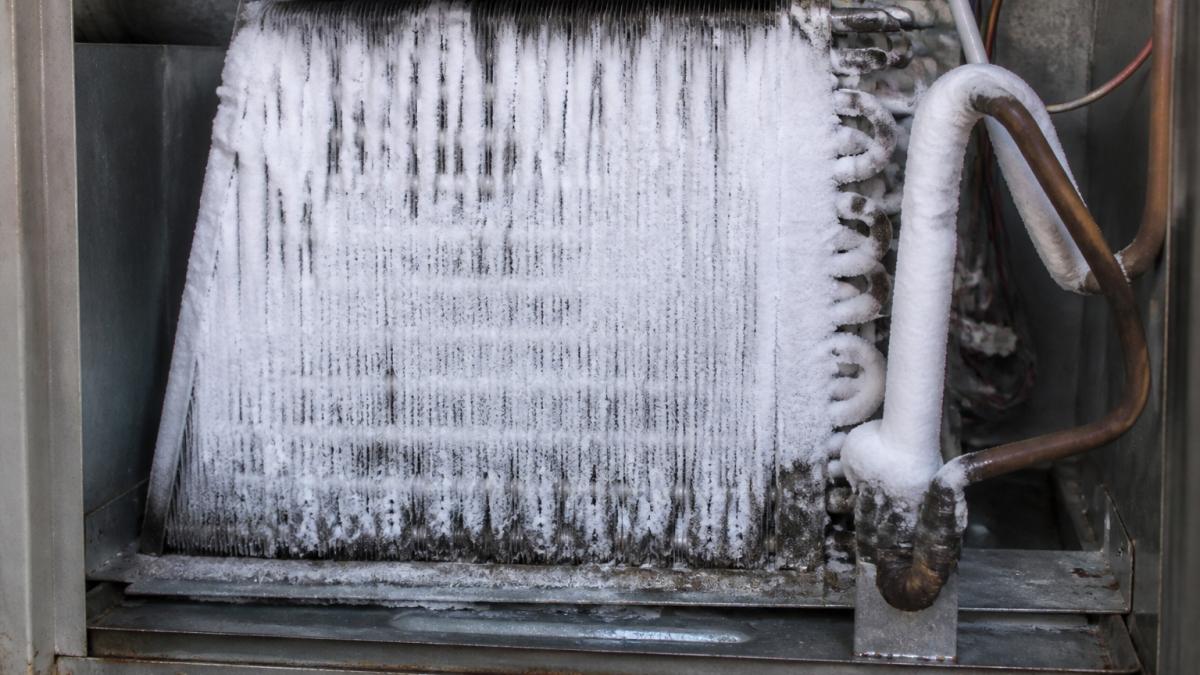
If you see ice, turn the system off. Running a frozen AC pushes the compressor harder and can damage it, and ice blocks airflow so the coil can't absorb heat.
Performance Clues: Warm Air Output and Weak Cooling
Frozen coils also show up in performance. The thermostat says cooling, but the vents blow warm or barely-there air.
Watch for these performance signs:
- Warm air output from the supply vents
- Weak airflow even with the fan on high
- The system runs nonstop but never reaches the set temperature
A frozen coil blocks the cooling cycle. Air moves over the coil, but ice stops heat transfer, so the air comes out warm, which is why a system can run for hours and feel like it is doing nothing.
What Causes an Evaporator Coil to Freeze?
Two problems cause almost every frozen coil: restricted airflow and low refrigerant. Both drop the coil temperature below freezing, and moisture in the air turns to ice on the coil surface.
Airflow Restriction and Dirty Air Filter AC Freezing
A dirty air filter is the number one cause of AC freezing. When the filter clogs, not enough air moves across the coil, the coil gets too cold, and condensation freezes into ice. Check your filter monthly during cooling season and replace it when it looks gray and matted.
Other airflow problems include:
- Blocked or closed supply and return vents
- A failing blower motor
- Undersized or crushed ductwork
Restricted airflow pushes the system past its design limits and cuts cooling capacity across the home.
Low Refrigerant Symptoms AC Homeowners Should Know
Low refrigerant is the other common cause. A system with a low charge loses pressure, and the coil drops below freezing.
Signs of low refrigerant include:
- Ice on the coil and suction line
- Hissing or bubbling sounds near the refrigerant lines
- Warm air from the vents
Refrigerant does not get used up like fuel. If the charge is low, there is a leak. A technician finds it with leak detection tools, repairs it, then recharges the system.
How to Thaw Frozen AC Coils Safely
Thawing a frozen coil is straightforward if you follow the right steps. The goal is to melt the ice without damaging the coil or flooding your floor:
- Turn the system off at the thermostat. Switch the mode to OFF, not just a higher temperature.
- Turn the fan to ON. This moves air across the coil and speeds up melting. Keep cooling off.
- Check and replace the air filter. A clean filter prevents a repeat freeze.
- Wait several hours. A lightly frozen coil thaws in one to three hours. A solid block of ice can take longer.
- Catch the water. Place towels or a pan under the unit. Melting ice can overflow the condensate drain.
- Check the condensate drain. Clear any clogs so water drains away instead of pooling.
- Restart and watch. Turn cooling back on and check the vents. If ice returns, stop and call a technician.
If the coil refreezes within a day, you have a refrigerant or airflow problem that thawing alone will not solve.
Call (702) 707-4242 for a free estimate →
DIY vs. Professional Repair: When to Call an HVAC Technician
Most guides say to 'call a pro if you are unsure.' That is not useful when you are standing in front of a dripping air handler at 9 p.m. in July. What you need is a clear threshold: conditions where you stop troubleshooting and call a licensed technician, and a separate list of things you can safely handle yourself.
The Stop-Now Checklist
Stop what you are doing and call a professional if you see or hear any of the following:
- The coil refreezes within 24 hours of a full thaw. This is the single strongest signal of a refrigerant leak or a failing blower. Thawing again will not fix it.
- Ice on the thick insulated suction line. Frost on the large line near the air handler points to low refrigerant charge, which requires leak detection and recharge.
- Hissing, bubbling, or oil residue near the refrigerant lines. Hissing means refrigerant is escaping. Oil residue at a joint is a common leak indicator.
If any of those apply, turn the system off at the thermostat and call a technician. Do not keep restarting the unit to 'see if it works now', each restart adds runtime and heat to the compressor.
What You Can Safely Do Yourself
These tasks do not require a license, special tools, or refrigerant handling:
- Replace the air filter. This is the most common fix and the cheapest. Check it monthly during cooling season.
- Open closed supply and return vents. Walk the house and make sure no vent is blocked by furniture, rugs, or a closed damper.
- Thaw the coil using the fan-only method. Turn cooling off, set the fan to ON, and let it melt. Do not chip or scrape ice.
Why the Line Matters
Refrigerant work is regulated. Under Section 608 of the Clean Air Act, technicians who handle refrigerants must be certified, and knowingly venting refrigerant is illegal.
At RTS Comfort Cooling & Heating, our technicians handle leak detection, refrigerant recharge, blower motor repair, and compressor diagnostics. We also offer 24/7 emergency service when a system fails during a heat wave and you cannot wait until morning.
How Frozen Coils Impact Energy Costs and System Efficiency
A frozen coil does not just stop cooling. It changes how the whole system behaves, and that change shows up on your utility bill:
- Ice insulates the coil. The refrigerant inside the coil is still cold, but the ice layer between the coil surface and the air acts as a thermal barrier. Heat transfer drops sharply.
- The thermostat never satisfies. Because the air leaving the vents is only slightly cooler than room temperature, the thermostat keeps calling for cooling. The compressor runs continuously instead of cycling off.
- The compressor runs at full load for hours. A healthy system might run 15 to 20 minutes per cycle. A frozen system can run for hours without reaching the set point.
- The blower motor works against a blocked coil. Restricted airflow raises static pressure in the ductwork, and the blower draws more current to push the same volume of air.
- The compressor overheats. Continuous operation without a proper off-cycle raises compressor temperature and oil breakdown, which is the leading cause of premature compressor failure.
What the Extra Runtime Actually Costs
The exact dollar impact depends on your system size, local electric rates, and how long the coil stays frozen. But the mechanism is predictable: a system running continuously instead of cycling uses roughly the same power per hour while delivering a fraction of the cooling.
That is a near-doubling of compressor runtime with no cooling benefit. Over a two-week freeze event during peak summer, the extra kilowatt-hours add a noticeable amount to a monthly bill, and the wear on the compressor is permanent.
Why the Efficiency Loss Persists After Thawing
Even after the ice melts, the system does not instantly return to peak efficiency. If the root cause was a dirty filter, airflow is restored once you replace it. But if a low refrigerant charge caused the freeze, the system keeps running at reduced capacity and elevated runtime until a technician finds and repairs the leak. The energy-cost story is about how long the underlying problem goes unresolved.
Preventative Maintenance to Stop Ice Buildup Before It Starts
Preventative maintenance is cheaper than repair. A few simple habits stop most freezing problems before they start:
- Change the air filter every one to three months. Check it monthly during peak cooling season.
- Keep vents open and clear. Don't block supply or return vents with furniture or rugs.
- Schedule a yearly tune-up. A technician cleans the coil, checks the refrigerant charge, and tests the blower motor.
A yearly tune-up catches small issues before they become frozen coils or compressor failures, and keeps the system running at peak efficiency when summer heat pushes your AC to its limits.
Conclusion: Protect Your System Before Small Issues Become Big Repairs
A frozen evaporator coil is a warning, not a final verdict. Catch the signs early, thaw the unit safely, and fix the root cause, and most systems recover without major repairs.
If your coil keeps freezing, or you hear hissing near the refrigerant lines, it's time for a professional look.
Call (702) 707-4242 for a free estimate and get your system back to peak performance.
Frequently Asked Questions
How do you unfreeze an evaporator coil?
Turn off the AC at the thermostat and let the ice melt naturally. Running the system while frozen can damage the compressor. You can speed up thawing by setting the fan to ON so warm air moves across the coil, but never chip at the ice with tools. Check the air filter and replace it if dirty. If the coil refreezes after thawing, call RTS Comfort Cooling & Heating at (702) 707-4242 for a diagnostic.
Will my AC still work if the coils are frozen?
It will run, but it won't cool your home. A frozen evaporator coil blocks airflow, so the system blows warm air while the compressor strains. Continuing to run a frozen AC can lead to compressor failure, which is one of the most expensive HVAC repairs. Shut the system down, thaw the coil, and address the root cause before restarting. If you're unsure what caused the freeze, a licensed technician can diagnose it quickly.
What are the low refrigerant symptoms I should watch for?
Low refrigerant symptoms include hissing or bubbling sounds near the refrigerant lines, ice on the suction line, reduced cooling capacity, and higher energy bills. A refrigerant leak also causes the coil temperature to drop below freezing, which triggers ice buildup. Refrigerant doesn't wear out, so low charge always means a leak. Leak detection and recharge require EPA-certified tools, so contact a professional rather than adding refrigerant yourself.
Can a frozen evaporator coil be repaired, or does it need replacement?
Most frozen coils can be repaired once the underlying cause is fixed. If the freeze came from a dirty air filter or restricted airflow, cleaning the coil and correcting airflow solves it. If a refrigerant leak damaged the coil, the technician may repair the leak or replace the coil depending on its condition. A professional inspection determines whether repair or replacement makes more sense for your system.