 listicle
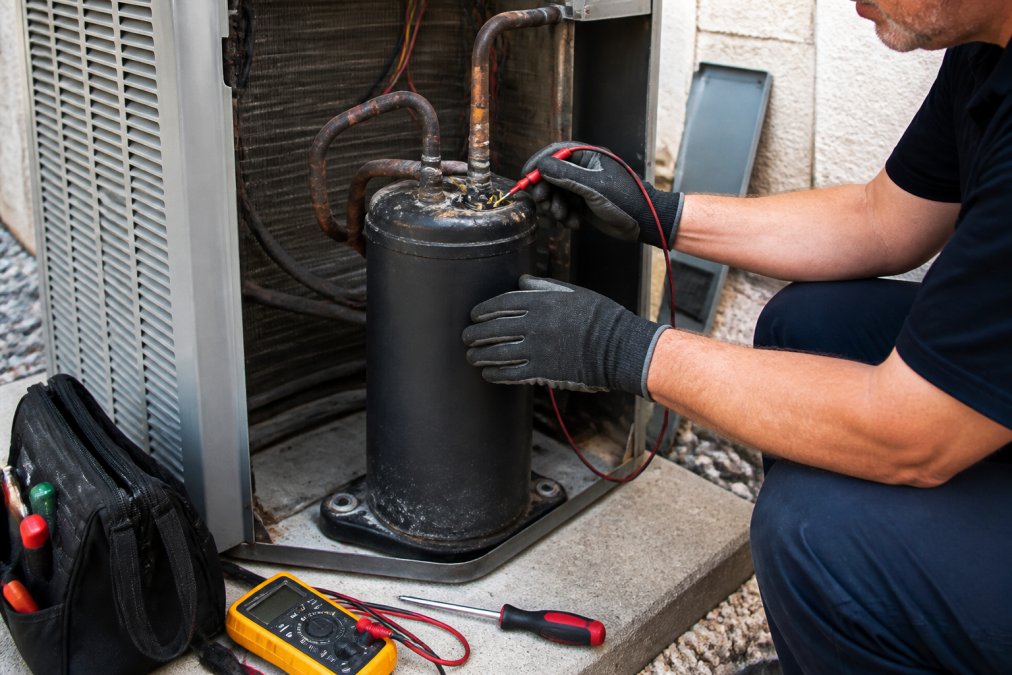
7 Signs Your AC Compressor Is Failing
Table of Contents
- 1. Warm Air Blowing From Your Vents
- 2. Squealing, Grinding, or Whining Noises
- 3. Energy Bills Climbing With No Explanation
- 4. Frequent Circuit Breaker Trips
- 5. Inconsistent Cooling and Short Cycling
- 6. Refrigerant Leaks or Fluid Pooling Near the Unit
- 7. Hard Starting or Complete Failure to Start
- AC Compressor vs Capacitor Symptoms: How to Tell Them Apart
- Repair or Replace: Making the Call
- Preventative Maintenance Checklist
- When to Call a Professional
- Frequently Asked Questions
Last Updated: September 25, 2026
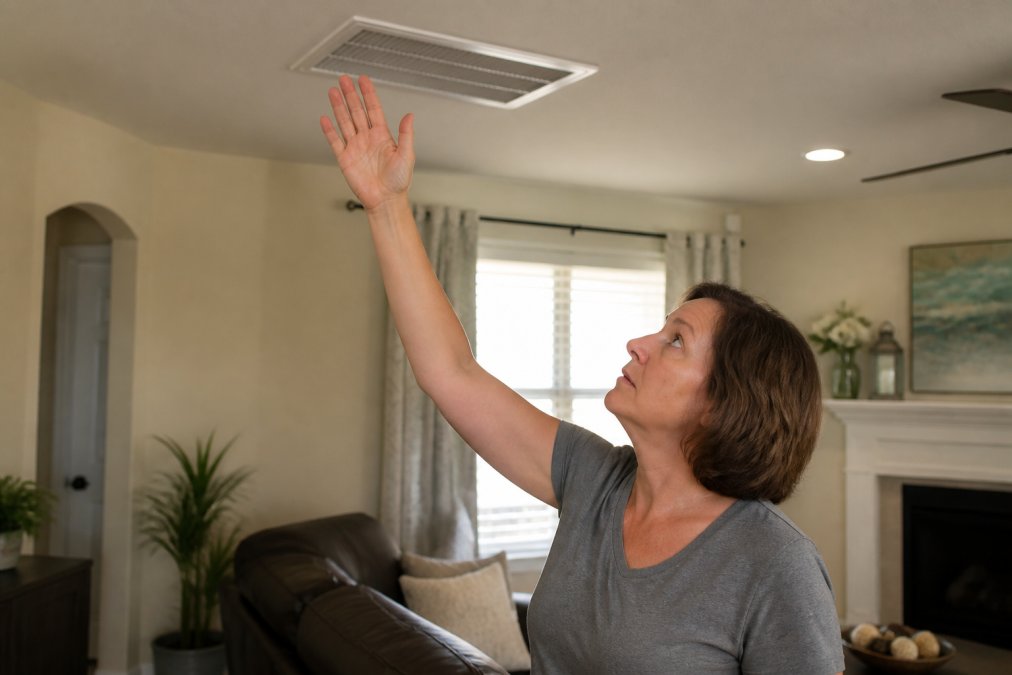
1. Warm Air Blowing From Your Vents
2. Squealing, Grinding, or Whining Noises
Unusual sounds from the outdoor unit point to mechanical or electrical strain inside the compressor. Each noise type tells you something different:
- Squealing: often a slipping belt or a failing fan motor near the compressor
- Grinding: internal compressor motor parts wearing against each other
- Whining: the compressor straining to start under low voltage or high system pressure
- Clicking that repeats: the compressor trying and failing to engage
3. Energy Bills Climbing With No Explanation
A failing compressor forces your system to run longer to hit the same temperature, and that extra runtime shows up on your utility bill. Many homeowners notice the jump before they notice the cooling problem.
4. Frequent Circuit Breaker Trips
A compressor that trips its breaker is usually drawing more current than the circuit can safely supply. That overload points to internal compressor wear or a failing electrical component.
5. Inconsistent Cooling and Short Cycling
Short cycling means your AC turns on and off in short bursts instead of running full cooling cycles, and it is one of the 7 signs your AC compressor is failing. It is one of the most reliable signs of a compressor losing its ability to hold pressure.
6. Refrigerant Leaks or Fluid Pooling Near the Unit
Refrigerant leaks starve the compressor of the fluid it needs to circulate, and a starved compressor overheats. Look for oily residue, hissing sounds, or ice on the copper lines near the condenser unit.
7. Hard Starting or Complete Failure to Start
Hard starting is when your compressor struggles to turn on: you hear a hum, a click, then nothing, and it tries again. Complete failure to start means the outdoor unit stays silent while the indoor fan runs.
AC Compressor vs Capacitor Symptoms: How to Tell Them Apart
Compressor and capacitor symptoms overlap so much that homeowners often misread one for the other. Both cause warm air, humming, and hard starts, but the fix and the cost are very different.
| Symptom | Likely Capacitor Issue | Likely Compressor Issue |
|---|---|---|
| Humming, won't start | Common | Possible |
| Warm air, unit runs | Possible | Common |
| Repeated breaker trips | Rare | Common |
| Grinding or whining | Rare | Common |
| Short cycling | Possible | Common |
| Swollen or bulging part | Visible on capacitor | Not visible |
Repair or Replace: Making the Call
Repair versus replacement is the most expensive decision in this entire article, and it deserves a framework rather than a gut feeling. Three factors drive the answer: system age, repair cost relative to replacement cost, and repair frequency.
Here is how the factors stack up in practice:
- Young system (under 8 years), first major repair: repair usually makes sense
- System 8-12 years old, compressor failure, no other issues: run the 50% rule
- System past 12 years, compressor failure: replacement usually wins
- Compressor failure plus a refrigerant leak: replacement usually wins, you are paying for two major repairs at once
- Second or third major repair in two years: replacement almost always wins
- System still under manufacturer parts warranty: get the warranty terms in writing before deciding; a covered compressor changes the math entirely
What to ask for in writing:
- Itemized repair estimate (part, labor, refrigerant, disposal)
- Replacement estimate for a comparable-efficiency system
- Expected remaining life of the existing system
- Whether the repair carries its own warranty, and for how long
- Whether the refrigerant type in your system is still widely available
Preventative Maintenance Checklist
Preventative maintenance is the cheapest way to extend compressor life, but only if you understand why each task matters. A compressor rarely fails without warning, it fails because a smaller problem was ignored long enough to become a big one. Here is what each maintenance task actually protects.
Homeowner tasks (minutes per week or month):
- Change air filters every 1-3 months during heavy cooling season. A clogged filter restricts airflow, which drops the evaporator coil temperature, which can cause the coil to freeze, which forces the compressor to run longer and hotter. This is the single most common cause of preventable compressor strain.
- Clear debris, leaves, and grass from around the condenser unit. The condenser releases heat to the outdoors. If airflow across it is blocked, head pressure rises, and the compressor works harder to push refrigerant through.
- Hose down the condenser coils once a season. Dirty coils have the same effect as blocked airflow, higher head pressure, more compressor strain.
- Check the thermostat against a separate thermometer once a month. A thermostat reading that drifts from actual room temperature causes the system to short cycle or run past setpoint, both of which wear the compressor.
- Listen for new noises at the outdoor unit weekly. Grinding, whining, and hard-start clicking are early warnings. Catching them early is the difference between a capacitor replacement and a compressor replacement.
- Keep a log of repair dates and symptoms. A written history makes the repair-vs-replace decision far easier when the time comes.
Professional tune-up tasks (once a year, before cooling season):
- Test the capacitor. The run capacitor and start capacitor give the compressor motor the jolt it needs to start. A weak capacitor forces the compressor to draw higher current at startup, which is the leading cause of hard starts and eventual compressor failure. Capacitors are inexpensive to replace and are the highest-value item on this list.
- Check the contactor. The contactor is the electrical switch that sends power to the compressor. Pitted or burnt contacts cause voltage drop, which makes the compressor run hot.
- Measure refrigerant charge. An undercharged system starves the compressor of cooling and lubrication. An overcharged system raises head pressure. Both shorten compressor life.
- Inspect electrical connections. Loose connections at the compressor terminals cause arcing, voltage drop, and heat, all of which damage the compressor motor windings.
- Check system pressures and superheat/subcool. These readings tell the technician whether the compressor is operating within its design envelope.
- Inspect the compressor's internal overload. Most compressors have a thermal overload protector that shuts the unit down when it gets too hot. If that protector is tripping, the compressor is already in trouble.
When to Call a Professional
Call a professional when you see two or more of these signs at once, when the breaker trips repeatedly, or when the outdoor unit will not start at all. DIY diagnosis has real limits: refrigerant work requires licensed handling, and capacitors hold a dangerous charge even with power off.
Frequently Asked Questions
Will my AC still work if the compressor is bad?
No. The compressor is the heart of your air conditioning system, circulating refrigerant between the evaporator coils and condenser unit. When it fails, the cooling cycle stops entirely and your system blows warm air or nothing at all. In some cases, a failing compressor may still run intermittently, but it cannot produce consistent cooling. If you suspect compressor failure, turn the system off and call a licensed HVAC technician for a diagnostic before running it further, since continued operation can damage other components.
How can I tell if my AC compressor is bad or just the capacitor?
A bad capacitor often causes the compressor to hum without starting, while a failing compressor may trip the electrical breaker, make grinding noises, or fail to start even with a good capacitor. A technician can test the capacitor with a multimeter in minutes. If the capacitor reads within its rated microfarad range but the compressor still will not start, the compressor motor itself is likely faulty. This distinction matters because a capacitor replacement costs far less than a compressor replacement.
How much does it cost to replace an AC compressor?
AC compressor replacement cost varies based on system size, compressor type, refrigerant, and labor rates in your area. Because pricing depends on your specific equipment and local labor, request a written estimate from a licensed HVAC contractor before authorizing any work. If your system is over 12 years old, compare replacement cost against a new unit's efficiency savings.
What are the most common causes of AC compressor failure?
The most common causes include refrigerant leaks that starve the compressor of lubrication, electrical issues such as a failing capacitor or faulty wiring, prolonged short cycling that wears out the compressor motor, and dirty condenser coils that cause overheating. Poor preventative maintenance accelerates all of these. Scheduling annual tune-ups, replacing filters monthly during heavy use, and addressing small refrigerant leaks early can significantly extend compressor life.
How long does an AC compressor typically last?
Most AC compressors last between 10 and 15 years with regular preventative maintenance. In hotter climates where systems run nearly year-round, that lifespan can drop to 8 to 12 years. Factors that shorten compressor life include frequent short cycling, low refrigerant charge, dirty coils, and skipped annual tune-ups. If your compressor fails within the first decade, a technician should investigate underlying causes like refrigerant leaks or electrical problems before replacement.
When your AC shows several of these signs at once, guessing gets expensive. RTS Comfort Cooling & Heating provides 24/7 emergency repair, professional compressor diagnostics, smart thermostat installation, and full-system tune-ups backed by a free estimate. Call (702) 707-4242 and get your cooling back before the next heat wave.