 how-to
How to Prevent AC Unit Freezing Up in Summer
Table of Contents
- Why AC Units Freeze Up When It's 110 Degrees Outside
- Immediate Steps When Your AC Is Frozen Solid
- AC Air Filter Replacement Frequency: Your First Line of Defense
- Optimal Thermostat Settings for Summer to Prevent Freezing
- Signs of Low Refrigerant in AC and What to Do Next
- DIY vs. Professional Repair: When to Call an HVAC Technician
- Preventative Maintenance Schedule for Desert Climates
- Frequently Asked Questions
Last Updated: September 21, 2026
Why AC Units Freeze Up When It's 110 Degrees Outside
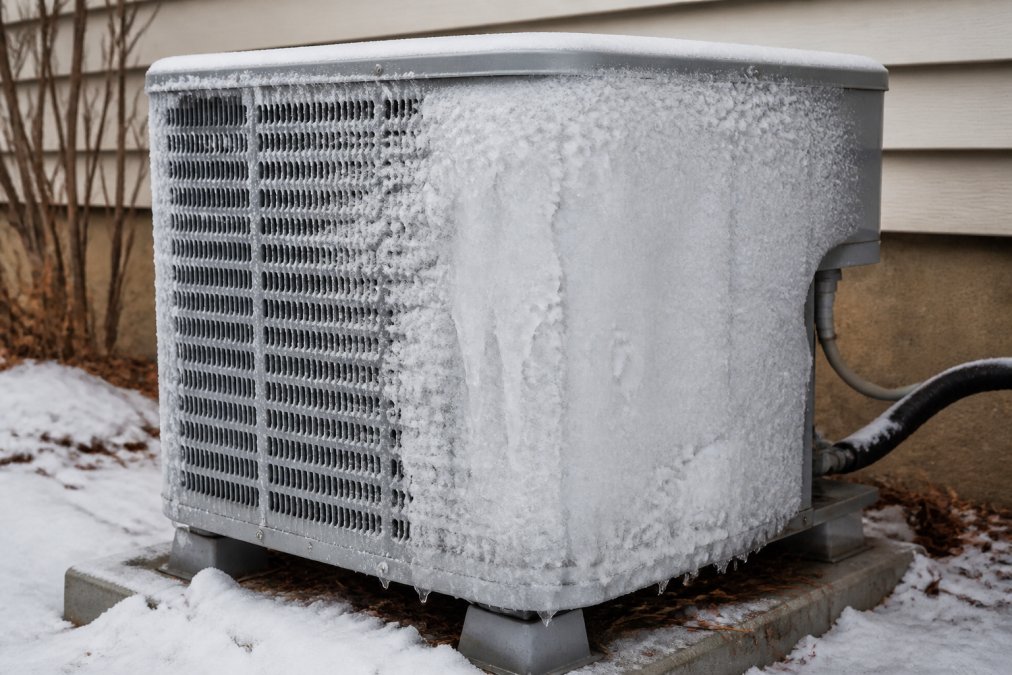
An air conditioner freezing up in extreme heat sounds backwards, but it happens all the time. An ac unit freezing is a sign that something is blocking the cooling cycle, not that your system is running too well. This guide from RTS Comfort Cooling & Heating explains how to prevent AC unit freezing up in Las Vegas summer.
The Science of Ice Buildup in Desert Heat
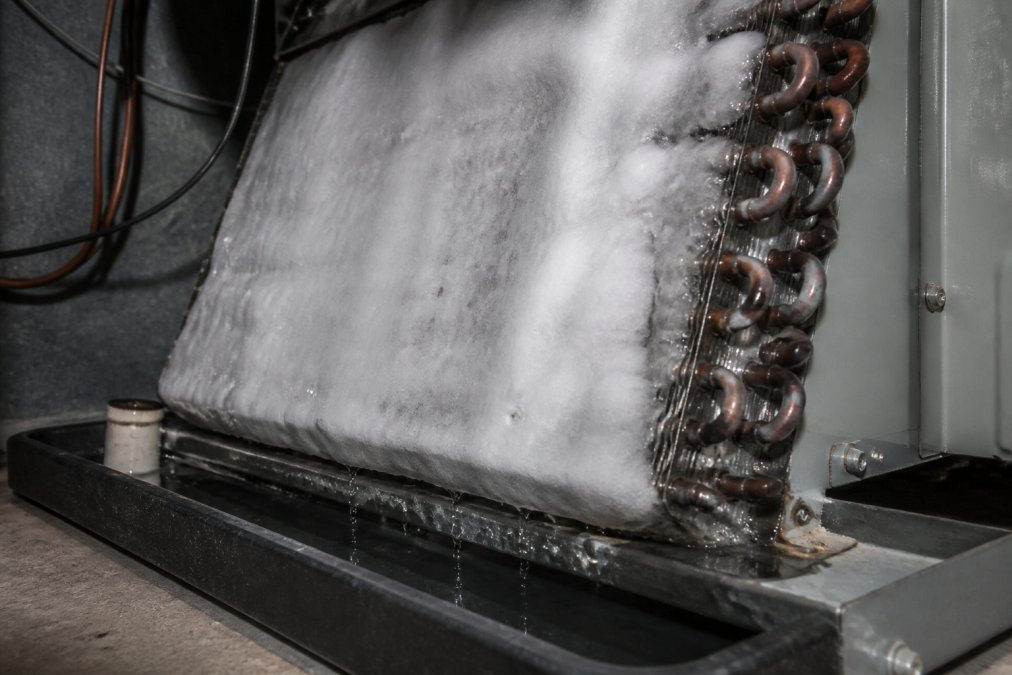
Ice buildup happens when the evaporator coil drops below freezing. That coil normally absorbs heat from your indoor air, and the refrigerant inside carries that heat outside.
Three things break this cycle:
- Airflow restriction from a clogged air filter or blocked ductwork
- Low refrigerant from a leak, which drops coil pressure and temperature
- A dirty coil that can't transfer heat properly
Immediate Steps When Your AC Is Frozen Solid
Turn the system off at the thermostat right away. Switch the fan to "on" instead of "auto." This pushes warm air across the frozen coil and speeds up thawing without running the compressor.
Then do this:
- Set the thermostat settings to "off" for cooling
- Switch fan mode to "on" to move air
- Check the air filter and replace it if it's dirty
- Clear any debris blockage around the outdoor condenser unit
- Wait one to three hours for the ice to melt
How to Safely Thaw a Frozen Evaporator Coil
Once the ice is gone, run the AC for 20 minutes and check the suction line. If it ices up again, that points to low refrigerant or a failing blower motor.
AC Air Filter Replacement Frequency: Your First Line of Defense
Replace your filter every 30 to 60 days in summer, the single easiest way to prevent freezing. A clogged filter chokes airflow and drops coil temperature fast.
| Filter Type | Change Frequency | Best For |
|---|---|---|
| Basic fiberglass | Every 30 days | Tight budgets |
| Pleated MERV 8-11 | Every 30-60 days | Most homes |
| High-efficiency MERV 13+ | Every 60-90 days | Allergies, newer systems |
Optimal Thermostat Settings for Summer to Prevent Freezing
Set your thermostat no lower than 78 degrees Fahrenheit during peak heat. Running it lower won't cool your home faster. It just forces the compressor to run longer and stresses the whole system.
Try this schedule:
- 78°F when you're home and awake
- 82°F when you're away
- 80°F while you sleep
Signs of Low Refrigerant in AC and What to Do Next
The clearest signs of low refrigerant in AC are ice on the indoor coil, a hissing or bubbling sound near the lines, and warm air from the vents while the system runs.
Other warning signs:
Call (702) 707-4242 for a free estimate →
- The suction line feels cold and frosty
- Your energy bills climb without more use
- The system short-cycles and never fully cools
DIY vs. Professional Repair: When to Call an HVAC Technician
Most guides give you a vague "call a pro if it's serious" line. Here's a decision framework built around what a homeowner can safely touch and what legally requires a licensed technician.
The DIY Zone: Things You Can Fix Today
These repairs involve no refrigerant, electrical disassembly, or sealed-system work. If the freeze-up traces back to one of these, you can fix it yourself:
- Air filter swap, a clogged filter is the most common cause of a frozen coil. Hold it to a light; if you can't see through it, replace it. Five-minute job.
- Condensate drain clearing, a blocked drain backs water up to the coil and contributes to icing. A wet/dry vacuum on the exterior drain stub plus a distilled white vinegar flush clears most clogs.
- Outdoor condenser cleaning, cottonwood fluff, dust, and grass clippings pack the fins. Rinse inside-out with a garden hose on low pressure, never a pressure washer.
- Thermostat reset and calibration check, confirm the setpoint isn't below 72°F and the reading isn't drifting. A thermostat 5 degrees off keeps the compressor running past its design limit.
- Thawing a lightly frozen coil, cooling off, fan on, wait one to three hours. No tools, no heat.
The Professional Zone: Stop and Call
These conditions mean the sealed refrigerant circuit or electrical system is involved. Under Section 608 of the Clean Air Act, refrigerant handling requires EPA certification, you cannot legally buy, charge, or recover refrigerant without it, and venting is prohibited. That's federal law.
- Ice returns within 24 hours of a full thaw, the clearest signal of a refrigerant undercharge or failing metering device.
- Frost or ice on the larger copper suction line at the outdoor unit. That line should be cold and sweating, never frosted.
- Hissing, bubbling, or oil residue near the line set. Oil stains at a joint almost always mark a leak.
- The blower motor won't spin or spins intermittently. This electrical fault often traces to a capacitor that holds a charge even with power off.
- The compressor short-cycles, starts, runs 30 seconds, shuts off, repeats. Running it this way can burn out the compressor, which is the most expensive single component in the system.
- You've reset the breaker more than once. A tripping breaker is a symptom, not the problem.
The Cost-of-Waiting Math
A leak repair and recharge is a routine service call; a compressor replacement often approaches the cost of a new condenser. The gap between those outcomes is measured in days, not months, every hour you run a system with a leak, the compressor runs hotter and drier than designed, and the damage compounds.
A Simple Rule of Thumb
RTS Comfort Cooling & Heating offers 24/7 emergency service for exactly these moments. When your system dies at midnight during a heat wave, our team responds fast and handles older homes with unusual ductwork without pushing a full replacement.
Preventative Maintenance Schedule for Desert Climates
A generic "change your filter and get a tune-up" schedule doesn't survive a desert summer. Fine dust packs coils, alkaline water scales drain lines, monsoon humidity stresses the condensate system, and the cooling season runs April into October. A mild-climate schedule will let your system freeze up by July.
Here's what actually matters, and why.
Monthly (April through October)
- Inspect the air filter every 30 days, replace as needed. A filter that looks fine at day 30 can be choked by day 45. Hold it to a light, if you can't see through it, it's done.
- Walk the outdoor unit and clear debris. Cottonwood fluff, palm fronds, and dust pack the condenser fins. A blocked condenser raises head pressure, reducing indoor heat absorption and contributing to coil icing.
- Check the condensate drain pan for standing water. Standing water means the drain is slowing down. Catch it before it backs up to the coil.
Quarterly
- Flush the condensate drain line. Hard, alkaline water builds mineral scale and biological growth fast. A quarterly distilled white vinegar flush, not bleach, which degrades PVC, keeps the line clear; a clogged drain pools water at the coil and contributes to freeze-ups.
- Vacuum or rinse the indoor coil if accessible. Dust that bypasses the filter settles on the evaporator fins; a dirty coil can't transfer heat, dropping coil temperature and inviting ice.
Spring (Before the Cooling Season)
- Professional coil cleaning and refrigerant charge check. A technician verifies charge by superheat and subcooling, not "feels cold." An undercharge of a few ounces can drop coil temperature below freezing.
- Inspect and test the capacitor and contactor. The two most common electrical failures in desert heat. A weak capacitor makes the blower or compressor run hot and slow, reducing airflow and triggering a freeze.
- Verify thermostat calibration. A thermostat reading 5 degrees off can keep the system running past its design limit.
Fall (After the Cooling Season)
- Full system diagnostic and duct inspection. Duct leaks in a 140°F attic pull in superheated air and reduce delivered airflow, a direct path to a frozen coil.
- Check attic insulation and radiant barrier condition. Insulation compressed or displaced by summer attic heat loses R-value, increasing runtime and system load.
- Clean the outdoor unit one more time before the shoulder season. Dust that settled during monsoon season will sit on the fins all winter and harden.
The Energy-Efficiency Angle Most Guides Skip
HVAC maintenance also protects your energy efficiency. A clean coil and clear ducts let the system cool with less strain. RTS Comfort Cooling & Heating pairs tune-ups with duct cleaning and attic insulation to cut system overload and lower summer bills.
Frequently Asked Questions
Why is my AC unit freezing up in the summer?
An AC unit freezing in summer almost always points to restricted airflow or low refrigerant. When airflow drops, the evaporator coil gets too cold and condensation turns to ice. Common culprits include a clogged air filter, blocked return vents, or a failing blower motor. In Las Vegas, dust and debris accelerate these problems, so checking your filter monthly during peak season is essential.
How often should I change my air filter to prevent freezing?
During summer in Las Vegas, replace standard 1-inch filters every 30 days. If you have pets or live near construction, check them every two weeks. Thicker media filters can last 60 to 90 days, but desert dust loads them faster. A dirty filter restricts airflow, drops coil temperature below freezing, and triggers ice buildup that can shut down your system entirely.
At what temperature will an AC unit freeze?
An AC evaporator coil typically freezes when its surface temperature drops below 32 degrees Fahrenheit. This happens when airflow across the coil is too low or refrigerant pressure is too low. Even with outdoor temperatures above 100 degrees, the coil itself can reach freezing if the system isn't moving enough air or if there's a refrigerant leak.
Is my AC ruined if it freezes up?
Not necessarily, but running a frozen AC can damage the compressor, which is the most expensive component. Turn the system off immediately and let the ice melt completely before restarting. If freezing happens repeatedly, schedule a professional diagnostic. Catching the issue early usually means a simple fix like a filter change or refrigerant recharge rather than a full system replacement.