 how-to
How Long Does Professional Duct Sealing Last?
Table of Contents
- The Short Answer: How Long Professional Duct Sealing Lasts
- Signs of Leaking Air Ducts That Mean Your Seal Has Failed
- What Factors Affect Seal Durability and Service Life
- How Much Does Duct Sealing Cost in 2026?
- Duct Sealing vs. Duct Replacement: Which Makes Sense
- Ductwork Inspection: How to Verify Sealing Performance Over Time
- Warranty Coverage and What It Does Not Guarantee
- Conclusion
- Frequently Asked Questions
Last Updated: October 17, 2026
The Short Answer: How Long Professional Duct Sealing Lasts
Professional duct sealing typically lasts 10 to 20 years, with many installations holding up for 15 to 25 years when done right. That's the honest range. Quality materials and careful installation buy you decades, while shortcuts buy you a few years and a repeat bill.
Here's the part most guides skip. "Duct sealing" covers three very different things, and each has its own clock:
- Aerosol sealing (Aeroseal): a fog-like sealant is blown through the ductwork and settles into leaks from the inside. The cured seal is designed to last the life of the duct system, often 10 to 20 years or more.
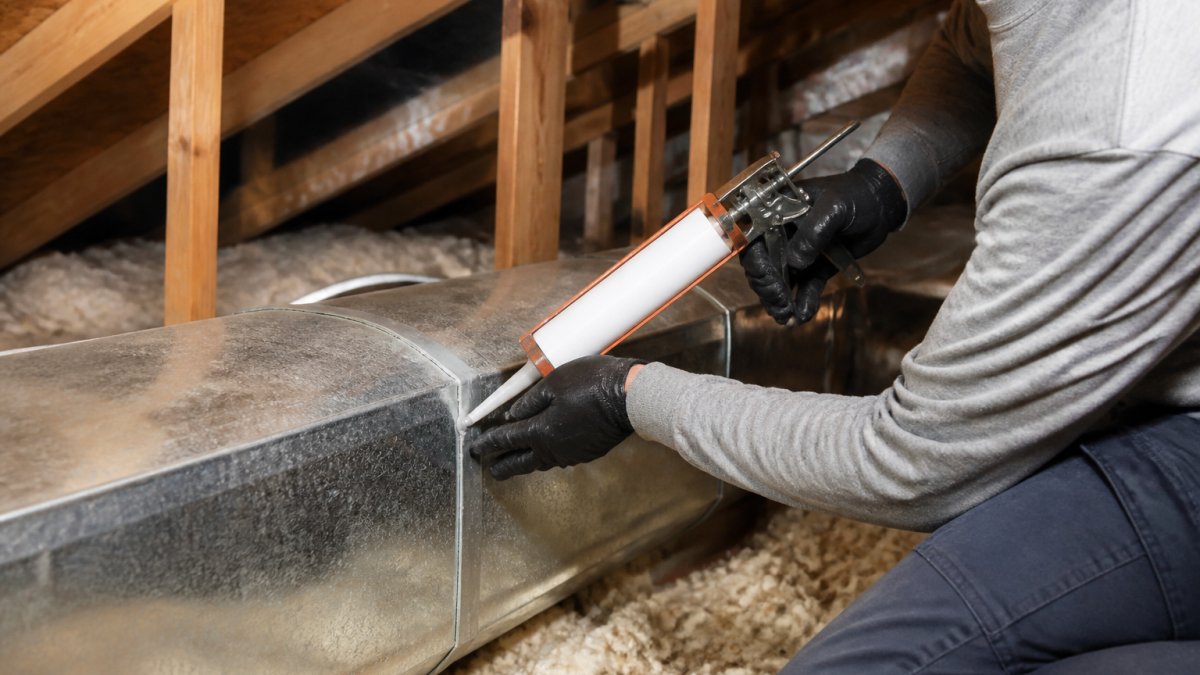
- Mastic sealant: a thick paste brushed onto joints and seams. It cures in 48 to 72 hours and typically holds 10 to 15 years.
- Duct sealant tape: a quick fix that often fails within a few years as adhesive dries out.
So the real answer depends on method, duct material, and how well the job was tested afterward. Below, we'll show you exactly how to tell which one you're paying for.
Signs of Leaking Air Ducts That Mean Your Seal Has Failed
Watch for rising energy bills, rooms that never get comfortable, and whistling or whooshing sounds at vents. Those are the classic signs of leaking air ducts, and they often mean an older seal has cracked or pulled away.
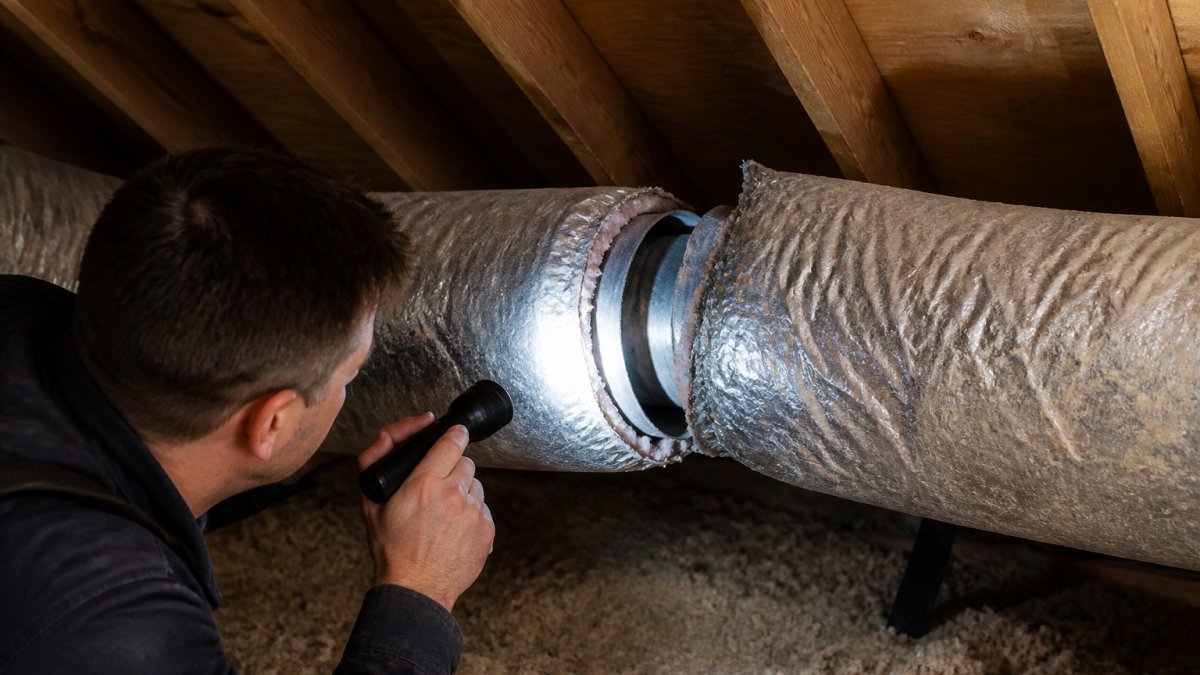
Other clues we hear about from customers:
- Dust streaks around vent covers or ceiling stains near ducts
- Uneven cooling, especially in upstairs rooms during summer
- More dust in the house than usual
- Higher humidity indoors
- A musty smell when the system runs
One insider note: a failed seal doesn't always announce itself. Many homes lose conditioned air for years before anyone notices. Pressure testing can be more accurate than guessing.
What Factors Affect Seal Durability and Service Life
Five things decide whether your seal lasts 20 years or five. Competitors list them; here is how each one actually works on your ducts, so you can judge which risks apply to your home.
Duct material and surface condition. Sealant only holds where it can bond. Sheet metal with clean, degreased seams gives mastic and aerosol sealant a stable substrate. Flex duct can sag and flex with every blower cycle, and duct board can shed fibers or delaminate, both of which break the bond over time. If a contractor seals over dusty, oily, or crumbling surfaces without prep, the clock starts already running down.
Installation quality and coverage. A rushed job leaves gaps the sealant never reaches, and those gaps keep leaking and stressing the surrounding seal. The difference between a 10-year seal and a 20-year seal is often whether the technician cleaned and prepped seams, reached the full run of ductwork, and verified coverage with a before-and-after leakage test.
Temperature swings and thermal cycling. Ducts in unconditioned attics and crawl spaces expand and contract as supply air heats and cools. Each cycle flexes the seal. In regions with wide seasonal temperature swings, that movement adds up, which is why seals in harsh exposures tend to land at the lower end of the lifespan range.
Vibration and system pressure. The blower sends constant vibration through the duct system, and high static pressure pushes harder against every seam. Oversized equipment, undersized ducts, or a system running with a dirty filter can raise pressure and shorten seal life. A well-designed, properly maintained system is gentler on its seals.
Moisture and humidity. Damp attic air, condensation on cold ducts, and high indoor humidity all attack sealant adhesion. Moisture is also what turns a small failure into a bigger one, because wet sealant lifts and peels. In humid climates, seals need more frequent inspection.
Pests and physical disturbance. Rodents chew through flex duct and sealant, and later renovations, cable runs, or duct cleaning can knock seals loose. Any work that disturbs the ducts is a reason to re-test afterward.
Maintenance and inspection. A system that is never inspected rarely reaches the top of the lifespan range. Filter changes, annual HVAC service, and periodic leakage testing catch small failures before they become comfort complaints.
How Much Does Duct Sealing Cost in 2026?
Pricing depends on your home's size, duct layout, and the sealing method you choose. A simple mastic job on accessible ducts costs far less than full aerosol sealing of a large, leaky system.
For a real number, call RTS Comfort Cooling & Heating at (702) 707-4242 for a free estimate. We'll test your ducts first, then quote based on what we actually find.
Call (702) 707-4242 for a free estimate →
| Method | Typical Cure/Dry Time | Expected Service Life | Best For |
|---|---|---|---|
| Aerosol sealing | Hours to a day | 10 to 20+ years | Hard-to-reach leaks, whole-system sealing |
| Mastic sealant | 48 to 72 hours | 10 to 15 years | Accessible joints and seams |
| Duct sealant tape | Immediate | A few years | Temporary fixes only |
Duct Sealing vs. Duct Replacement: Which Makes Sense
Sealing wins when your ductwork is structurally sound but leaky. Replacement makes more sense when ducts are crushed, water-damaged, or made of failing materials that no sealant can save.
A common mistake is assuming old ducts automatically need replacing. Many older homes have solid metal ductwork with worn joints, and sealing can restore much of the performance at a fraction of the cost. Ask for a leakage test before anyone quotes a replacement. If the ducts hold pressure after sealing, replacement was never the answer.
Ductwork Inspection: How to Verify Sealing Performance Over Time
Proper ductwork inspection means pressure testing, not just a visual walk-through. A technician measures system leakage before sealing, seals the ducts, then re-tests to confirm the drop. That before-and-after testing gives you a documented baseline.
Schedule an inspection every few years, and sooner if you notice the signs above. For guidance on how leaks are measured, the U.S. Department of Energy guide to duct sealing explains the testing approach in plain terms. You can also review ENERGY STAR's guidance on duct sealing and efficiency for what a quality job should include.
Warranty Coverage and What It Does Not Guarantee
A warranty covers the sealant material and the workmanship, not your whole HVAC system. That distinction matters more than the number of years printed on the certificate, and most homeowners never ask about it until something fails.
What a workmanship warranty actually promises. It typically says the contractor will redo sealing that fails because of how it was installed, within a set period. It does not promise your ducts will stay leak-free for that many years. Ducts can develop new leaks from vibration, pests, or renovation long after the original seal is sound, and those are not workmanship failures.
What a product warranty covers. Sealant manufacturers may warrant the material itself against defects. That covers the product, not the labor to remove and reapply it, and it usually excludes failures caused by surface contamination, moisture, or physical damage.
What neither warranty covers. Expect exclusions for new duct damage, pest activity, water intrusion, later renovations that disturb the ducts, and failures on duct materials the manufacturer does not approve. A warranty also typically will not pay for new ductwork if the original ducts fail structurally.
Ask three questions before you sign, and get the answers in writing:
- How long is the workmanship warranty, and does it cover the full sealed area or only specific joints?
- Does the warranty require periodic inspection or re-testing to stay valid?
- What voids it, and who pays for labor if a covered failure occurs?
A strong warranty can indicate a contractor trusts their work, but read it as a repair promise, not a lifespan guarantee. Documented before-and-after leakage testing can provide a baseline for inspections.
Conclusion
Duct sealing isn't a forever fix, but a good one lasts 10 to 20 years and pays you back in comfort and lower bills along the way. The difference between a seal that holds and one that fails comes down to method, testing, and who did the work.
At RTS Comfort Cooling & Heating, we test before and after every sealing job, so you know exactly what you're getting. Our team handles duct cleaning, attic insulation, and full HVAC service, backed by 24/7 emergency availability and free estimates. Call (702) 707-4242 to schedule your duct inspection and get started.
Frequently Asked Questions
How long does professional duct sealing last?
Professional duct sealing typically lasts 10 to 20 years. Aeroseal aerosol sealing often reaches the upper end of that range, while mastic and tape applications depend heavily on surface preparation and installation quality. In a hot, dry climate with heavy cooling demand, expect the lower end unless the ductwork is well maintained and inspected regularly. Lifespan also depends on duct material, vibration, and whether the system has been repaired after pest or moisture damage.
What factors affect how long duct sealing lasts?
Temperature swings, vibration from the air handler, moisture, duct material, and installation quality all shorten or extend seal life. Flexible ductwork flexes more and can pull sealant loose faster than rigid metal. High static pressure and undersized returns stress every joint. In attics that reach extreme heat, sealants cure faster but also degrade sooner. A clean, dry, properly supported duct system helps any sealant reach its full service life.
How can I tell if my ducts are leaking again?
Watch for rising energy bills without a rate change, rooms that never reach the thermostat setting, whistling or rushing sounds at registers, and visible dust streaks near joints. A duct leakage test before and after sealing gives you a measurable baseline. If a previous test showed 10% leakage and you suspect a relapse, a repeat test confirms whether the seal has failed. A pressure test can provide more accurate information than guesswork.
Is professional duct sealing worth the cost compared with duct replacement?
Sealing is almost always worth trying first when the ductwork is structurally sound. Replacement makes sense when ducts are crushed, contaminated with mold, or more than 20 years old with widespread deterioration. Sealing can cost less than replacement and may restore system performance. Ask for a ductwork inspection and a before-and-after leakage test so you can see the actual improvement rather than a sales estimate.