 ultimate-guide
What Is a Heat Pump and How It Works: 2026 Guide
Table of Contents
- Heat Pump Basics: How It Moves Heat Instead of Making It
- The Refrigeration Cycle: Compressor, Coils, and Expansion Valve
- Heating vs. Cooling Mode: What the Reversing Valve Does
- Efficiency Metrics: COP, SEER2, and HSPF2 Explained
- Types of Heat Pumps: Air-Source, Geothermal, and Ductless Mini-Splits
- Heat Pump vs Central Air Conditioning: Key Differences for Homeowners
- Cold Climate and Desert Performance: What to Expect in Extreme Temperatures
- Federal Tax Credits for Heat Pumps and Available Incentives
- Frequently Asked Questions
Last Updated: September 22, 2026
Heat Pump Basics: How It Moves Heat Instead of Making It
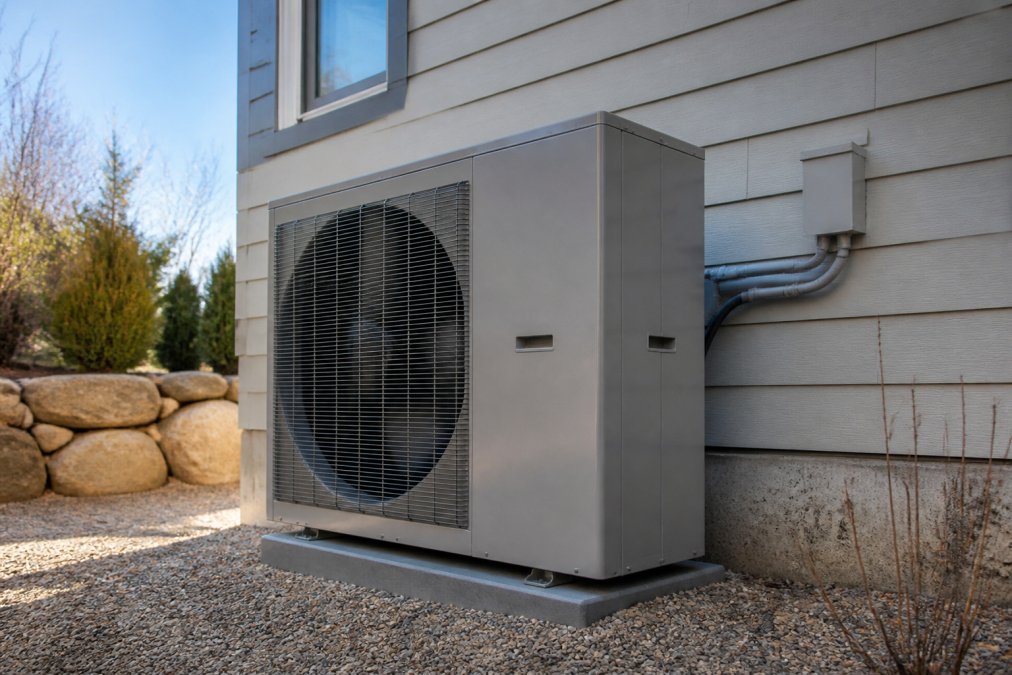
A heat pump is a system that transfers thermal energy from one place to another rather than generating heat by burning fuel. Even cold outdoor air contains usable heat, and a heat pump captures that energy and moves it indoors. At RTS Comfort Cooling & Heating, we explain this to homeowners every week: a heat pump isn't magic, it's thermodynamics.
That distinction matters for your energy bill. Because moving heat takes far less electricity than creating it, many homeowners find heat pumps cost less to run than furnaces or baseboard heaters. Understanding what is a heat pump and how it works starts with one idea: heat exists everywhere, even at low ambient temperatures, and the right equipment can relocate it.
The Refrigeration Cycle: Compressor, Coils, and Expansion Valve
The refrigeration cycle is the four-step loop that lets a heat pump move heat rather than create it. It relies on refrigerant, a fluid that absorbs and releases heat as its pressure and phase change. The same physics that keeps your refrigerator cold is running your home's heating and cooling.
Here is the loop, step by step:
- Compressor, Draws in low-pressure, low-temperature refrigerant vapor and squeezes it into a high-pressure, high-temperature vapor. This is the only step that consumes meaningful electricity, which is why compressor efficiency drives your bill.
- Condenser coil, The hot, high-pressure vapor flows through the coil and rejects heat to the surrounding air (outdoors in cooling mode, indoors in heating mode). As it sheds heat, the refrigerant condenses into a liquid.
- Expansion valve (metering device), The liquid passes through a narrow orifice that drops its pressure sharply. That pressure drop also drops the temperature, turning the refrigerant into a cold, low-pressure mist.
- Evaporator coil, The cold mist absorbs heat from the air blowing across the coil and boils back into a vapor, which returns to the compressor to start the loop again.
Two measurements tell a technician whether the loop is balanced:
- Superheat is how much the vapor warms above its boiling point before it leaves the evaporator. Too low and liquid can slug the compressor; too high and the coil is starved.
- Subcooling is how much the liquid cools below its condensing point before it reaches the metering device. It confirms the coil is fully charged with liquid refrigerant.
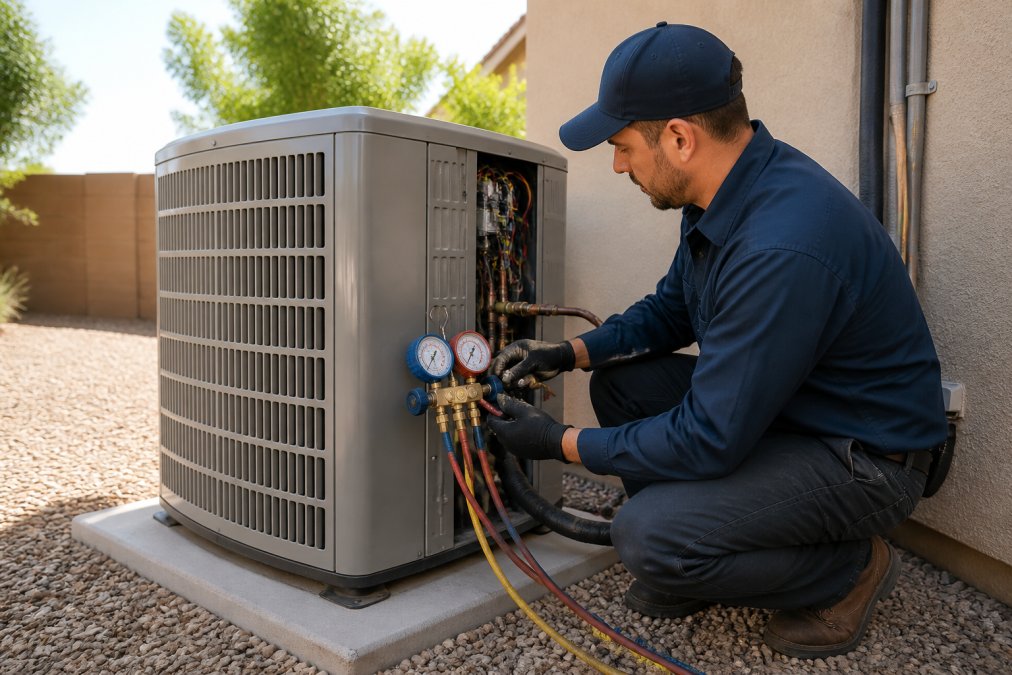
A common mistake is ignoring refrigerant charge. Even a small leak changes the superheat and subcooling readings, forcing the compressor to work harder. That drives up electrical consumption, raises discharge temperatures, and shortens equipment life. A qualified technician checks charge by weight or by the superheat/subcooling method, never by guessing at gauge pressures alone.
Heating vs. Cooling Mode: What the Reversing Valve Does
The reversing valve is the component that lets one system both heat and cool your home. In heating cycle mode, the valve redirects refrigerant so the outdoor coil absorbs heat and the indoor coil releases it. In cooling cycle mode, the flow flips and the indoor coil absorbs heat instead.
This is what separates a heat pump from a straight air conditioner. An AC only moves heat one direction, out of your house. A heat pump runs the same loop backward when temperatures drop, using a reversing valve to switch roles between the evaporator coil and condenser coil.
Efficiency Metrics: COP, SEER2, and HSPF2 Explained
Coefficient of Performance (COP) measures how much heating a system delivers per unit of electricity. A COP of 3 means the unit produces three units of heat for every one unit of energy consumed.
Two other ratings matter for shopping:
- SEER2 rates cooling efficiency. Higher is better.
- HSPF2 rates heating efficiency across a season. Higher is better.
The Department of Energy sets the minimum efficiency standards manufacturers must meet, and those thresholds have tightened in recent years. DOE energy efficiency standards for heat pumps explains the current requirements. When you compare units, don't chase the highest number blindly; a mid-tier unit correctly sized for your home often outperforms a top-tier unit that's oversized.
Types of Heat Pumps: Air-Source, Geothermal, and Ductless Mini-Splits
Air-source heat pumps are the most common choice. They pull heat from outdoor air and work well in most climates, though performance drops as ambient temperature falls.
Geothermal systems use buried loops to exchange heat with the ground, which stays at a stable temperature year-round. They cost more upfront but deliver steady efficiency.
Ductless mini-splits skip ductwork entirely and mount on walls. They're a strong fit for older homes or room additions where running new ducts isn't practical.
| Type | Best For | Main Trade-Off |
|---|---|---|
| Air-source | Most homes, moderate climates | Efficiency drops in deep cold |
| Geothermal | Long-term owners, cold regions | High installation cost |
| Ductless mini-split | Additions, homes without ducts | Per-room equipment |
Heat Pump vs Central Air Conditioning: Key Differences for Homeowners
The biggest difference is that a central heat pump provides both heating and cooling, while central air conditioning only cools. If you already have a furnace and AC, a heat pump can replace the AC and handle most of your heating, with the furnace as backup.
For homeowners weighing heat pump vs central air conditioning, the deciding factors are climate, existing ductwork, and how you currently heat your home. A heat pump paired with a smart thermostat gives you finer control over when auxiliary heat kicks in, which is where winter bills can climb fast.
ENERGY STAR guidance on heat pump selection
Cold Climate and Desert Performance: What to Expect in Extreme Temperatures
This is where most heat pump guides get vague, so let's be specific. Air-source heat pumps can heat a home well below freezing, but their capacity and efficiency both fall as outdoor air gets colder.
A few maintenance habits that protect performance in both extremes: replace filters monthly during heavy-use seasons, keep the outdoor unit clear of debris and snow, and schedule a professional check before summer and winter peaks. Dirty coils and a clogged filter force the compressor to draw more power for the same output, the fastest way to erase the efficiency you paid for.
Federal Tax Credits for Heat Pumps and Available Incentives
Federal tax credits for heat pumps can offset a meaningful share of installation cost when your equipment meets efficiency thresholds. The exact credit amount and eligibility rules change, so confirm current figures directly with the IRS and your utility before you buy.
IRS information on energy efficiency home improvement credits
Frequently Asked Questions
What is the downside to a heat pump system?
Heat pumps can lose capacity in extreme cold, often requiring auxiliary heat that raises electric bills. They also have a higher upfront cost than standard AC or furnace systems, and retrofitting ductwork in older homes can add expense. In desert climates, the outdoor unit works hard in summer, so proper sizing and maintenance are critical to avoid premature wear.
Why is my electric bill so high with a heat pump?
High bills often come from auxiliary heat strips running during cold snaps, dirty filters restricting airflow, or a system that is incorrectly sized for the home. Leaky ducts and poor attic insulation also force the heat pump to run longer. A professional tune-up and duct inspection can identify the cause and reduce electrical consumption.
Can a heat pump cool a house in 100 degree weather?
Yes, a properly sized heat pump can cool a home in 100°F+ temperatures. It works like a central air conditioner in cooling mode, using the refrigerant cycle to absorb indoor heat and release it outside. Performance depends on correct sizing, refrigerant charge, and clean coils. In extreme desert heat, a unit that is undersized or low on refrigerant will struggle, so annual maintenance matters.
How much does a heat pump cost for a 2000 sq ft home?
Heat pump pricing depends on system type, efficiency rating, ductwork condition, and installation complexity. For a 2000 sq ft home, costs vary widely by region and equipment. Federal tax credits and local rebates can offset part of the expense. Contact RTS Comfort Cooling & Heating for a free estimate tailored to your home.
Do heat pumps work in extreme desert temperatures?
Heat pumps work in desert heat, but performance drops as outdoor temperatures climb above 100°F. In cooling mode, the system must reject heat into already hot air, which reduces efficiency. Shading the outdoor unit, keeping coils clean, and scheduling professional maintenance help maintain cooling capacity during peak summer.
What maintenance does a heat pump need each year?
Annual maintenance includes cleaning or replacing filters monthly, rinsing outdoor coils, checking refrigerant charge, inspecting electrical connections, and lubricating moving parts. A technician should also verify the reversing valve and defrost controls. These heat pump maintenance tips prevent costly breakdowns and keep efficiency high.
Choosing the right heat pump comes down to climate, existing ductwork, and how the system is sized and maintained. RTS Comfort Cooling & Heating installs and services heat pumps across the area, with 24/7 emergency service, smart thermostat installation, and indoor air quality support to keep your system running at its best. Call (702) 707-4242 for a free estimate and get reliable climate control year-round.