 comparison
HVAC Maintenance Plan Costs: 2026 Comparison
Table of Contents
- What Is an HVAC Maintenance Plan?
- HVAC Maintenance Plan Costs and Pricing Models
- What Is Included in HVAC Maintenance
- Benefits of HVAC Service Agreements
- Average Cost of Annual HVAC Tune-Up
- Maintenance Plans vs. Emergency Repairs: Cost Comparison
- Contract Red Flags and How to Avoid Them
- Frequently Asked Questions
Last Updated: September 3, 2026
What Is an HVAC Maintenance Plan?
An HVAC maintenance plan is a service agreement between a homeowner and an HVAC contractor that includes scheduled tune-ups, system inspections, and discounted repairs over a set period, typically one year. These plans ensure your heating and cooling systems receive regular professional attention before problems develop into costly breakdowns.
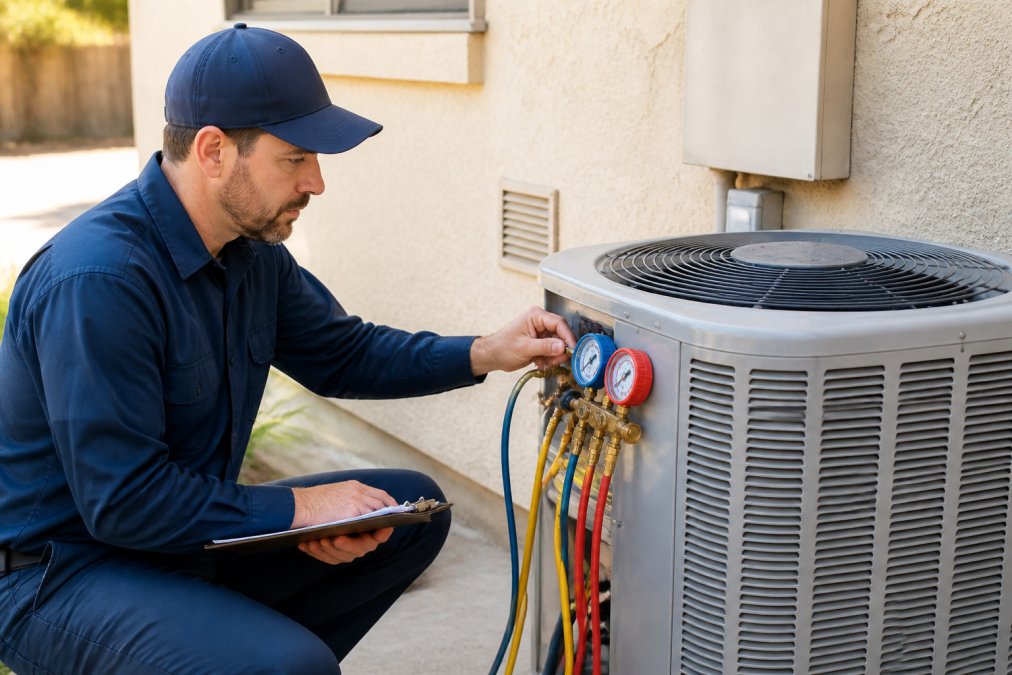
Maintenance plans operate on a preventative maintenance philosophy: catching small issues during routine service visits costs far less than emergency repairs when your system fails during extreme heat or cold. Most plans include two annual tune-ups (spring for air conditioning, fall for heating), filter replacements, safety inspections, and priority scheduling when you need repairs.
The structure varies by contractor. Some plans bundle everything into a flat monthly fee. Others charge annually. The key difference between a maintenance plan and simply calling a technician when something breaks is predictability, you know what you're paying and when service happens, rather than facing surprise bills for emergency calls at midnight during a heat wave.
HVAC Maintenance Plan Costs and Pricing Models
HVAC maintenance plan costs depend on several factors: your system type, local market rates, what's included in the plan, and whether you choose monthly or annual payment. Pricing varies significantly by region and contractor, so getting a quote from your local provider is essential.
Plans typically fall into three categories. Basic plans focus on tune-ups and minor maintenance. Mid-tier plans add parts coverage and repair discounts. Premium plans include comprehensive coverage with no service call fees and parts included up to a certain limit.
Monthly subscriptions usually range from affordable entry-level options to higher-cost comprehensive coverage. Annual plans sometimes offer savings compared to paying monthly, you commit upfront and receive a slight discount. Some contractors offer loyalty pricing if you bundle multiple systems (air conditioning and heating on the same agreement).
What you pay also reflects what's included. A plan charging for filter replacements separately costs less upfront but more over time. A plan including filters, refrigerant top-ups, and electrical inspections costs more monthly but protects you from surprise expenses. The Airtron Essential Maintenance Plan, for example, starts at $19.95 per month per system and includes two annual tune-ups plus a 15% discount on all parts and labor.
Service Experts Maintenance+ Membership eliminates after-hours service fees entirely, a valuable benefit if you're prone to calling for emergency repairs late at night. Aire Serv's Advantage Plan provides priority scheduling and a 15% discount on services. American Home Shield's plans start at $25-$50 monthly but include repair or replacement coverage up to $5,000 per system, plus optional tune-ups.
What Is Included in HVAC Maintenance
Standard HVAC maintenance includes specific tasks designed to keep your system running efficiently and catch problems early. Understanding what's included helps you evaluate whether a plan covers your needs.
A typical tune-up includes thermostat calibration to ensure accurate temperature readings, filter replacement to maintain airflow and indoor air quality, and refrigerant level checks to confirm your system has adequate charge. Technicians inspect electrical connections, test safety controls, and clean condenser coils, the outdoor unit's fins that release heat during air conditioning season.
Many plans include drain line clearing, which prevents water backup and mold growth in your air handler. Coil cleaning removes dust and debris that reduces efficiency. Some plans cover lubrication of moving parts, belt inspection, and capacitor testing, components that wear out and cause system failure if ignored.
Priority scheduling is a common benefit: you get faster appointment availability than non-members, crucial during summer heat waves or winter cold snaps when technicians are booked solid. Some plans include a dedicated phone line for members or waived diagnostic fees when you call for repairs.
What's often NOT included: major repairs, refrigerant additions beyond a small top-up, replacement parts beyond standard filters, or service calls for non-system issues (like thermostat replacement or ductwork problems). Read the fine print on what counts as "covered" versus "additional cost."
RTS Comfort Cooling & Heating includes comprehensive inspections, filter replacements, and system optimization in maintenance visits, with the flexibility to add specialized services like duct cleaning and smart thermostat installation based on your home's specific needs.
Benefits of HVAC Service Agreements
Regular HVAC maintenance extends system lifespan significantly. A well-maintained system lasts 15-20 years; a neglected one fails around 10-12 years (energy.gov). That's an extra decade of performance from the same equipment, a substantial return on maintenance investment.
Energy efficiency improves measurably with routine tune-ups. A system running with dirty filters, low refrigerant, and unclean coils works harder to reach your set temperature, consuming more electricity. Clean filters and properly charged systems use less energy to deliver the same comfort. Over a full year, this efficiency gain translates to lower utility bills.
Maintenance plans provide budget predictability. You know your monthly or annual maintenance cost upfront. Emergency repairs, often 2-3 times the cost of scheduled service, become less likely. When repairs do happen, many plans include discounts (typically 10-15%) that reduce your out-of-pocket expense.
System reliability improves when problems are caught early. A technician might notice a failing capacitor during a routine visit and replace it for $150 before it causes a complete system shutdown. Without maintenance, that same capacitor fails during peak season, forcing an emergency call that costs $400-600 and leaves you without air conditioning for hours.
Priority scheduling during peak seasons ensures you get service when you need it, not weeks later. During summer heat waves, non-members sometimes wait 2-3 weeks for appointments. Members often get same-week or next-day service.
Average Cost of Annual HVAC Tune-Up
The cost of a single HVAC tune-up varies by location, system complexity, and what's included. A basic tune-up typically ranges from moderate cost for straightforward systems to higher costs for complex setups with multiple zones or older equipment.
Plans including two annual tune-ups (one for cooling season, one for heating season) spread the cost across the year via monthly payments or bundle it into an annual fee. This approach costs less per tune-up than paying for individual service calls.
Tune-ups outside a maintenance plan are more expensive because you're paying for a technician's time without a membership discount. You might also pay a service call fee just to have someone come out. For homeowners who call for repairs sporadically, a maintenance plan becomes cost-effective after just one or two emergency calls.
Call (702) 707-4242 for a free estimate →
The real value emerges over time. Two tune-ups per year at plan rates, plus repair discounts when issues arise, typically cost less than two emergency repair calls. An emergency call at 2 AM during a heat wave costs significantly more than a scheduled appointment during business hours.
Maintenance Plans vs. Emergency Repairs: Cost Comparison
Emergency repairs cost substantially more than preventative maintenance. A technician called at midnight charges an emergency fee (often $100-200 extra) on top of the service call fee and parts cost (bls.gov). A diagnosis that takes 30 minutes during business hours might take twice as long in an emergency situation because your system is completely down and pressure is high.
Consider a common scenario: a capacitor failure. During a routine tune-up, a technician notices the capacitor is aging and replaces it preventatively for moderate cost. Without maintenance, that same capacitor fails during peak season. You call for emergency service, pay the after-hours fee, pay the service call fee, and pay full price for the part. Total cost is 3-4 times higher than preventative replacement.
Another example: a refrigerant leak. Regular maintenance includes checking refrigerant levels. A technician spots a small leak during a tune-up, repairs it, and tops off the charge, moderate cost. Without maintenance, the leak goes unnoticed until your system stops cooling entirely. You call for emergency service, the technician must locate the leak (additional diagnostic time), repair it, and recharge the system. Emergency repair costs 2-3 times more than catching it early.
Maintenance plans include repair discounts (typically 10-15%) that reduce costs when repairs are needed. These discounts alone offset the plan cost for most homeowners who experience at least one repair per year.
The mathematics are clear: maintenance plans pay for themselves through extended equipment lifespan, improved efficiency, and avoided emergency repair costs. Most homeowners break even on plan cost within the first year or two.
Contract Red Flags and How to Avoid Them
Not all maintenance plans are created equal. Some contracts include hidden fees, vague coverage terms, or cancellation penalties that trap you into paying for service you don't want.
Read the cancellation policy carefully. Some plans require 30-60 days' notice to cancel and charge early termination fees. Others allow month-to-month cancellation. If you're uncertain about committing long-term, choose a plan with flexible cancellation terms.
Watch for service call fees buried in the contract. Some "included" plans actually charge you a fee each time a technician visits for repairs, even though you're already paying monthly. Others waive service call fees for members. The difference compounds: if you call for repairs three times per year, waived fees save you $150-300 annually.
Check what "parts coverage" actually means. Some plans cover parts up to a certain dollar limit per year. Others exclude certain expensive components. A plan claiming to cover "all parts" might exclude compressors, the most expensive component. Read the exclusions section carefully.
Verify the plan covers both your air conditioning and heating systems if you want both protected. Some plans require separate agreements for cooling and heating, effectively doubling your cost. Others bundle both into one plan.
Look for automatic renewal language. Some contracts auto-renew annually unless you cancel by a specific date, often buried in the terms. Missing that date locks you in for another year. Choose plans with clear renewal terms or opt for month-to-month if available.
Confirm the plan covers emergency service if that's important to you. Some maintenance plans don't include after-hours emergency calls at all, they cover only scheduled tune-ups. If you want 24/7 emergency coverage, verify it's included before signing.
Request a written estimate before signing any contract. Verbal promises about coverage or pricing don't protect you if disputes arise. A written agreement specifying what's included, what costs extra, cancellation terms, and emergency service availability prevents misunderstandings later.
Compare the same plan type across multiple contractors. Two contractors might offer similar-sounding plans at different prices. Get quotes in writing from at least two providers before deciding. RTS Comfort Cooling & Heating offers transparent pricing and clear contract terms, call (702) 707-4242 for a free estimate and detailed plan comparison.
Choosing an HVAC maintenance plan requires weighing upfront cost against long-term savings, understanding what's actually included, and avoiding contracts with hidden fees or vague coverage. The best plan for your situation depends on your system's age, your local climate demands, and how much you value budget predictability versus paying per repair.
RTS Comfort Cooling & Heating provides comprehensive maintenance plans designed for homeowners who want reliable, year-round comfort without surprise repair bills. Our 24/7 emergency service, professional tune-ups, and transparent pricing ensure your system stays efficient and dependable. Contact us at (702) 707-4242 for a free estimate and discover which maintenance plan works best for your home and budget.
Frequently Asked Questions
Is it worth it to get an HVAC maintenance plan?
An HVAC maintenance plan offers value when it includes preventative maintenance visits, repair discounts, and priority scheduling. The ROI depends on your system's age and reliability. Newer systems may need fewer repairs, while older units benefit from regular tune-ups that extend system longevity and maintain efficiency. Plans typically pay for themselves through discounted repairs and reduced emergency service fees.
What services are typically included in an HVAC maintenance contract?
Standard HVAC maintenance contracts include annual or semi-annual tune-ups, filter replacement, refrigerant level checks, coil cleaning, thermostat calibration, and drain line clearing. Many plans offer discounts on parts and labor for repairs, priority scheduling for service appointments, and detailed maintenance records. Some higher-tier plans include emergency repair coverage or waived after-hours service fees.
How much does HVAC maintenance cost per month?
Monthly HVAC maintenance plan costs typically range from $20 to $50 per month, depending on the provider and plan tier. Costs vary based on whether the plan includes one or two annual tune-ups, repair discount percentages, and priority service benefits. Contact local HVAC contractors for exact pricing, as rates differ by region and service scope.
Do HVAC maintenance plans cover emergency repair costs?
Most standard maintenance plans do not fully cover emergency repairs but offer significant discounts on repair labor and parts. Some premium plans eliminate after-hours service fees for members. Home warranty plans like American Home Shield provide coverage up to $5,000 per system for repairs or replacement, though service fees still apply. Review your specific contract to understand what emergency situations are covered.
This article was written using GrandRanker