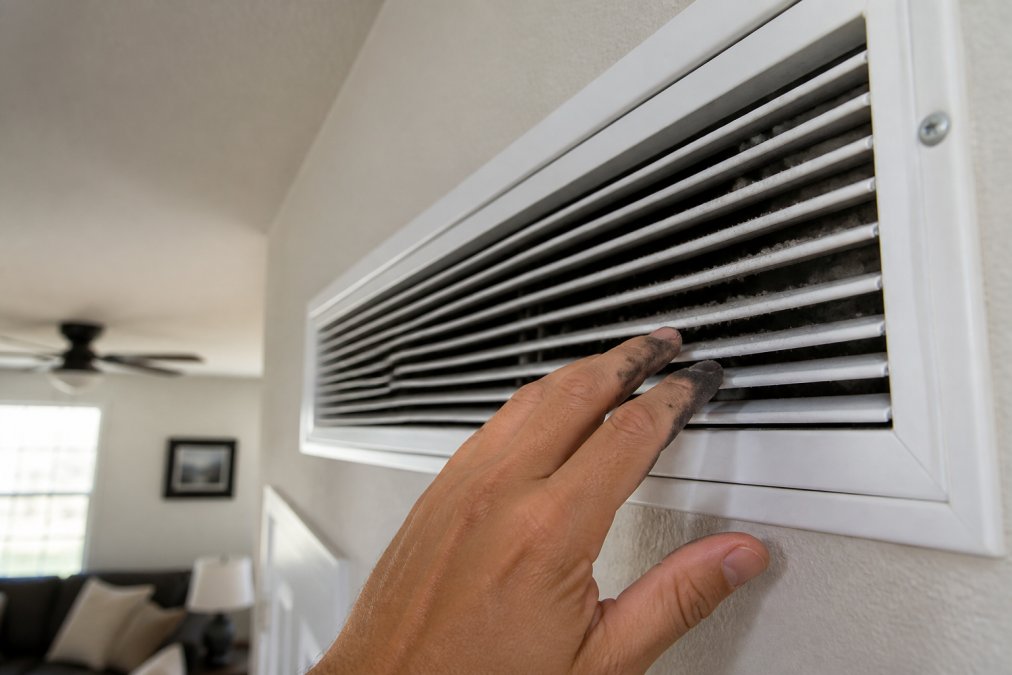
 how-to
Signs Your Air Ducts Need Professional Cleaning
Table of Contents
- Why Air Duct Cleaning Matters for Your Home
- 1. Visible Dust Buildup Around Vents and Registers
- 2. Musty Odors and Unpleasant Smells from Your HVAC System
- 3. Signs of Mold in Air Ducts and Ductwork
- 4. Reduced Airflow and Uneven Temperature Distribution
- 5. Worsening Allergies and Respiratory Symptoms
- How Often Should You Clean Air Ducts
- DIY Inspection vs. Professional Duct Cleaning Assessment
Your HVAC system works hard to keep your home comfortable year-round. But most homeowners never think about what's happening inside those ducts. Over time, dust, debris, mold, and other contaminants accumulate in your ductwork, reducing efficiency and potentially affecting your health. At RTS Comfort Cooling & Heating, we've helped families recognize when their air ducts need professional attention.
The reality is simple: clean air ducts mean better indoor air quality, lower energy bills, and fewer respiratory problems. Dirty ducts force your HVAC system to work harder, cycling air through layers of accumulated particles. This strains your equipment, wastes energy, and circulates allergens and contaminants throughout your home.
But how do you know when cleaning is actually necessary? Not every home needs duct cleaning on the same schedule, and plenty of companies oversell the service. This guide covers the genuine warning signs that indicate your air ducts need professional cleaning, how to inspect them yourself, and when to call in a professional.
1. Visible Dust Buildup Around Vents and Registers
One of the easiest signs to spot is dust accumulation around your air vents and return air registers. When you look at your vent covers or registers, you should see a relatively clean surface. If dust is visibly caked on the grilles or falling into the room when air flows, that's a red flag.
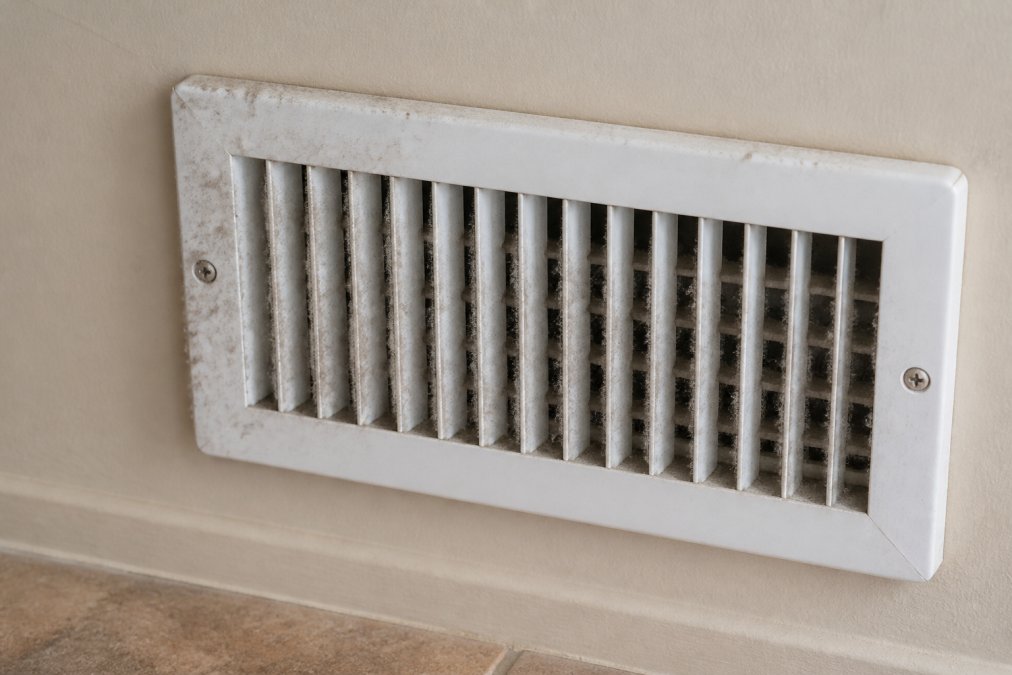
This dust doesn't just appear from nowhere. It's being pulled from inside your ductwork and forced out through your vents. When dust buildup is this visible, the problem inside your ducts is usually much worse. You're seeing only a fraction of what's trapped in your ductwork.
Check each vent and register throughout your home. If some are noticeably dustier than others, it may indicate uneven airflow or localized blockages. Run your finger along the vent slats. If it comes away dark or grimy, your ducts likely need cleaning.
A simple test: hold a white sheet of paper near an air vent while your system is running. If the paper collects visible dust or particles within a few minutes, your ductwork is circulating more debris than it should. This is especially concerning if you have family members with allergies or respiratory sensitivity.
2. Musty Odors and Unpleasant Smells from Your HVAC System
Musty or stale odors coming from your vents are a clear signal that something's wrong inside your ductwork. A properly functioning HVAC system should deliver neutral-smelling air. Any persistent odor suggests microbial growth, trapped moisture, or decomposing debris.
Musty smells typically indicate mold or mildew developing in your ducts. This happens when moisture accumulates in areas where air circulation is poor or when condensation builds up in your ductwork. The smell gets worse when your system first turns on after sitting idle, because stagnant air has been trapped with the source of the odor.
Other unpleasant smells might indicate dead animals, decomposing insects, or accumulated debris. These situations definitely warrant professional inspection and cleaning. You shouldn't ignore odors, they're your home's way of telling you that air quality is compromised.
If odors appear only in certain rooms or areas of your home, the problem might be localized to a section of ductwork or a particular return air register. This helps professionals pinpoint where cleaning is most needed.
3. Signs of Mold in Air Ducts and Ductwork
Mold growth in air ducts represents one of the most serious reasons to schedule professional cleaning. Mold spores circulate throughout your home every time your HVAC system runs, affecting indoor air quality and potentially triggering respiratory issues (the CDC).
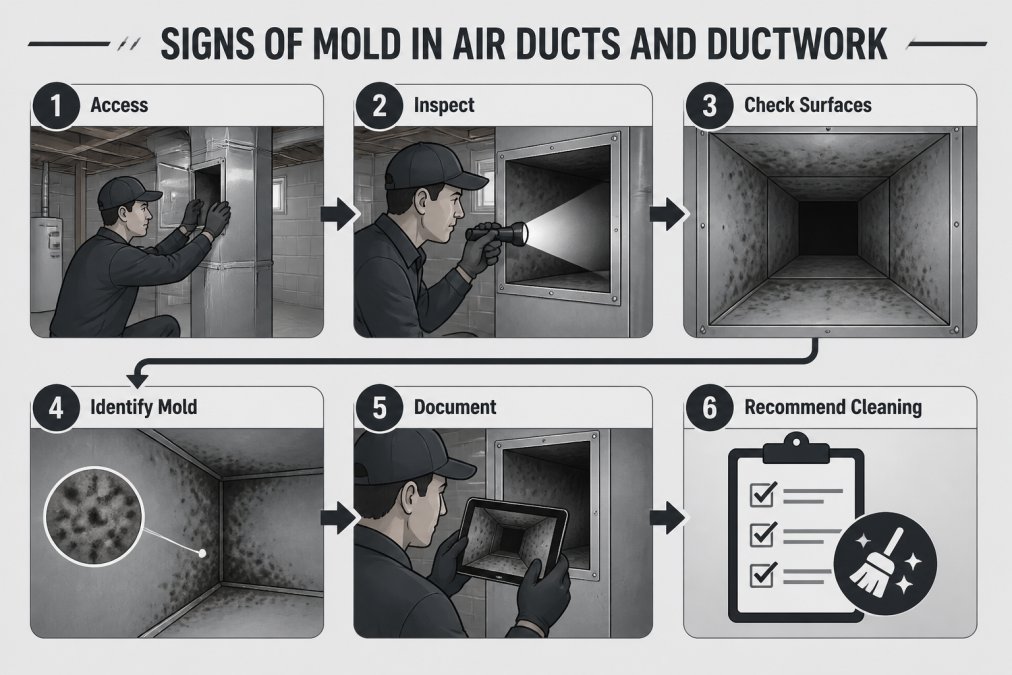
Mold thrives in dark, damp environments, exactly what your ductwork provides. It typically develops when moisture accumulates inside ducts, either from high humidity, condensation, or water leaks. Once mold takes hold, it spreads quickly and becomes difficult to remove without professional equipment.
Signs of mold in air ducts include visible dark spots or discoloration on duct surfaces (visible through vent openings or during inspections), musty odors that intensify when the system runs, and increased allergy or asthma symptoms in household members. Some mold growth is invisible to the naked eye, which is why a professional inspection using video equipment is often necessary for confirmation.
If you notice fuzzy growth, black spots, or greenish discoloration around vent covers or inside visible ductwork, don't wait. Mold remediation requires professional treatment to prevent spore spread during the cleaning process.
4. Reduced Airflow and Uneven Temperature Distribution
When your HVAC system struggles to maintain consistent temperatures throughout your home, clogged or dirty ducts are often the culprit. Reduced airflow means your system has to work harder to push air through accumulated debris and dust.
You'll notice this problem when some rooms feel significantly warmer or cooler than others, even with your thermostat set to the same temperature. Or your system may run constantly without achieving your desired temperature. This uneven temperature distribution forces your HVAC system to cycle longer and more frequently, wasting energy and wearing out components faster.
Blockages in ductwork also reduce overall system performance. When airflow is restricted, your furnace or air conditioner compensates by running longer, which increases energy consumption and utility bills. The system strain can lead to premature equipment failure and expensive repairs.
To test for airflow problems, feel the air coming from vents in different rooms. Compare the force and volume. Weak airflow from certain registers suggests blockages or restrictions in those branches of your ductwork. This is particularly common in rooms at the end of long duct runs or in multi-story homes where upper floors receive less air pressure.
5. Worsening Allergies and Respiratory Symptoms
If household members experience increased allergy symptoms, asthma flare-ups, or unexplained respiratory issues that worsen indoors, your air ducts may be circulating allergens and contaminants. Pet dander, pollen, dust mites, construction debris, and mold spores accumulate in ductwork and get recirculated every time your system runs.
People with existing allergies or asthma are most sensitive to this problem. They may notice symptoms improve when they leave home and worsen when they return. Children and elderly family members often show symptoms first because their respiratory systems are more vulnerable.
The connection between dirty ducts and respiratory symptoms isn't always obvious, especially if the problem developed gradually. You might attribute worsening allergies to seasonal factors or other causes. But if symptoms correlate with your HVAC system running or intensify during heating or cooling season, ductwork contamination is worth investigating.
Professional duct cleaning removes accumulated allergens and particulate matter, improving the air your family breathes. This is especially important if anyone in your home has diagnosed allergies, asthma, or other respiratory conditions.
Call (702) 707-4242 for a free estimate →
How Often Should You Clean Air Ducts
The frequency of air duct cleaning depends on several factors specific to your home and household. There's no universal schedule that works for everyone, which is why many companies' blanket recommendations are misleading.
Generally, most homes benefit from professional duct cleaning every 3 to 5 years (the EPA). However, you may need cleaning more frequently if you have pets (pet dander accumulates quickly), suffer from allergies, live in a dusty environment, or have family members with respiratory conditions. Homes with visible mold, water damage history, or pest infestations should be cleaned as soon as the underlying problem is addressed.
New construction homes often need cleaning sooner than established homes. Construction debris, drywall dust, sawdust, and insulation particles, gets pulled into ducts during building and finishing. A post-construction duct cleaning removes this debris before you move in.
The best approach is to have your ducts inspected professionally every few years. During an inspection, a technician can assess the actual level of contamination and recommend cleaning if warranted. This prevents unnecessary service while ensuring you don't miss genuine problems.
RTS Comfort Cooling & Heating recommends inspecting your ducts at least once every two years. If you notice any of the warning signs covered in this guide, don't wait for your next scheduled inspection, call for an immediate assessment.
DIY Inspection vs. Professional Duct Cleaning Assessment
You can perform a basic visual inspection of your air ducts yourself, but professional assessment requires specialized equipment and expertise. Understanding the difference helps you decide when to call a professional.
DIY inspection steps you can take:
Check all visible vent covers and registers for dust accumulation. Use a flashlight to peer into return air registers and look for visible dust, debris, or discoloration. Feel airflow at multiple vents to compare air pressure and volume. Smell the air coming from vents for musty or unpleasant odors. Note any visible mold, pest droppings, or debris around vent openings. Check your HVAC filter monthly and replace it if it's visibly clogged with dust.
These basic checks give you a starting point, but they reveal only surface-level problems. Most of your ductwork is hidden behind walls, above ceilings, and in crawl spaces where you can't see.
What professionals bring to the assessment:
Video inspection equipment lets technicians see inside your entire duct system without invasive access. They can identify mold growth, pest activity, blockages, and debris accumulation that's invisible to the naked eye. Professional assessment determines whether cleaning is actually necessary or whether the problem is something else entirely (like a clogged filter or unbalanced system).
A professional inspection also identifies the root cause of problems. If mold is present, they can determine whether it's from moisture issues that need to be addressed separately. If pest activity is found, they can recommend pest control before duct cleaning. If your HVAC system itself is the problem, they can recommend repairs instead of cleaning.
RTS Comfort Cooling & Heating offers professional duct inspections that use video equipment to assess your system thoroughly. This prevents unnecessary cleaning while ensuring you address real problems before they worsen.
When to skip DIY and call a professional:
If you notice any warning signs from this guide, visible dust, musty odors, reduced airflow, mold indicators, or worsening allergies, get a professional assessment. If your home has had water damage, pest problems, or recent construction, professional inspection is important. If you're unsure whether your ducts are clean enough, professional guidance removes guesswork.
Many companies oversell duct cleaning, claiming it's needed when it's not. A reputable professional will be honest about whether your ducts actually need cleaning or whether a different solution would better address your problem. The goal is solving your actual problem, not maximizing service sales.
If you're noticing any of these signs in your home, don't let the problem worsen. Dirty air ducts compromise your indoor air quality, strain your HVAC system, and can trigger or worsen respiratory issues for your family. Call RTS Comfort Cooling & Heating at (702) 707-4242 for a free professional duct inspection. Our technicians will assess your system honestly and recommend cleaning only when it's truly needed. With 24/7 emergency service and comprehensive HVAC solutions, we're here to keep your home comfortable and your air clean.
| Warning Sign | What It Indicates | Action to Take |
|---|---|---|
| Visible dust around vents | Dust circulating from ductwork | Check all registers; consider inspection |
| Musty odors from vents | Mold, mildew, or stagnant air | Professional inspection and cleaning likely needed |
| Mold or dark spots visible | Microbial growth in ducts | Urgent professional cleaning required |
| Weak or uneven airflow | Blockages or restrictions | Professional assessment to identify cause |
| Worsening allergies indoors | Allergens circulating in air | Professional cleaning to remove contaminants |
Frequently Asked Questions
How can I tell if my air ducts need professional cleaning?
Look for visible dust around vent covers, musty odors when your HVAC system runs, reduced airflow from registers, or worsening allergy symptoms. If you notice mold growth inside vents, these are strong indicators your air ducts need professional cleaning. A professional inspection can confirm whether cleaning is necessary.
How often should you clean air ducts in a typical home?
Most homes benefit from professional duct cleaning every 3 to 5 years. However, you may need more frequent cleaning if you have pets, smokers in the home, allergies, or recent construction or renovation work. Homes with visible mold, pest infestations, or significant dust accumulation should be cleaned sooner. A professional can assess your specific situation and recommend an appropriate cleaning schedule.
What is the average cost of air duct cleaning?
The cost of professional air duct cleaning varies based on your home's size, ductwork complexity, and system condition. Factors such as accessibility and the extent of contamination also affect pricing. Contact a local HVAC contractor for a free estimate tailored to your home.
What are signs of mold in air ducts?
Signs of mold in air ducts include a musty, earthy smell coming from your vents, visible black or greenish growth inside ductwork or around registers, and worsening respiratory symptoms or allergies when your HVAC system runs. Mold thrives in damp environments, so check for condensation around ducts or water stains. If you suspect mold, have a professional inspect your system immediately, as mold can spread quickly and affect indoor air quality and your family's health.
This article was written using GrandRanker